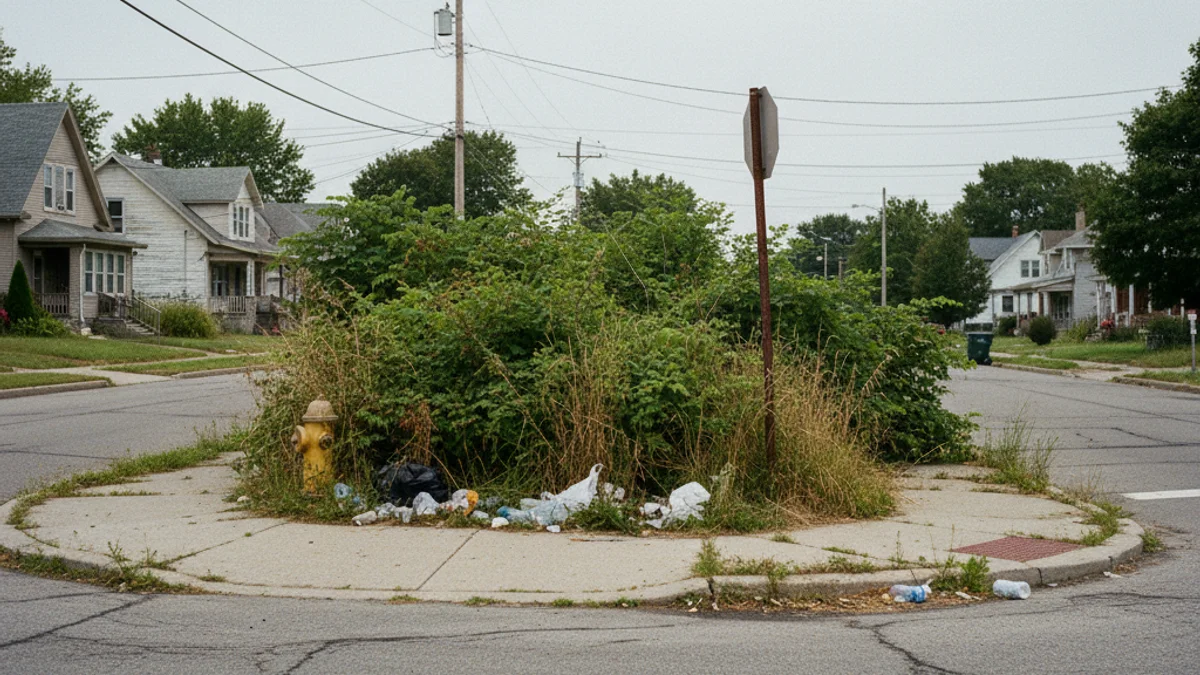
Residents of Vista Alegre, who moved to the neighborhood in 2020 seeking tranquility, have found a reality of “absolute degradation.” They report constant street drinking (botellons), uncivil behavior, sexual acts in public, and scattered rubbish, despite the area now being consolidated with over 90 homes and dozens of families living there year-round.
The neighborhood, which has grown significantly, still lacks essential services such as postal mailboxes or an adapted public transport line for people with reduced mobility or the elderly. Furthermore, they criticize that the waste collection service is precarious, even though they are being used to test smart containers.
What we are demanding is not a privilege. We demand safety, basic services, and an urgent solution. We demand that the mayor and the municipal government stop looking the other way and act responsibly.
Road safety is a critical concern. The access and exit street, Cuba Street, is the only entry point, without differentiated lanes, creating a “deathtrap.” Residents warn of the serious risk in case of fire or major emergency, as the only evacuation route passes under a tunnel connecting to the Martorell Road.
After blocking the Martorell Road more than half a year ago to highlight their problems, residents received promises of negotiation that, they claim, have amounted to nothing. The only institutional responses have been two “no entry except residents” signs that are not accompanied by any effective control measures.