Inheritances in Terrassa: Verum Advocats warns of the most common conflicts when there is no will
Lack of succession planning can generate doubts, delays, and family tensions at a delicate time. Laura Dubà and Andrea Lázaro, founding partners of the firm, explain why it is advisable to anticipate and what problems recur when a person dies without a will.
By Newsroom Diari de Catalunya
••8 min read
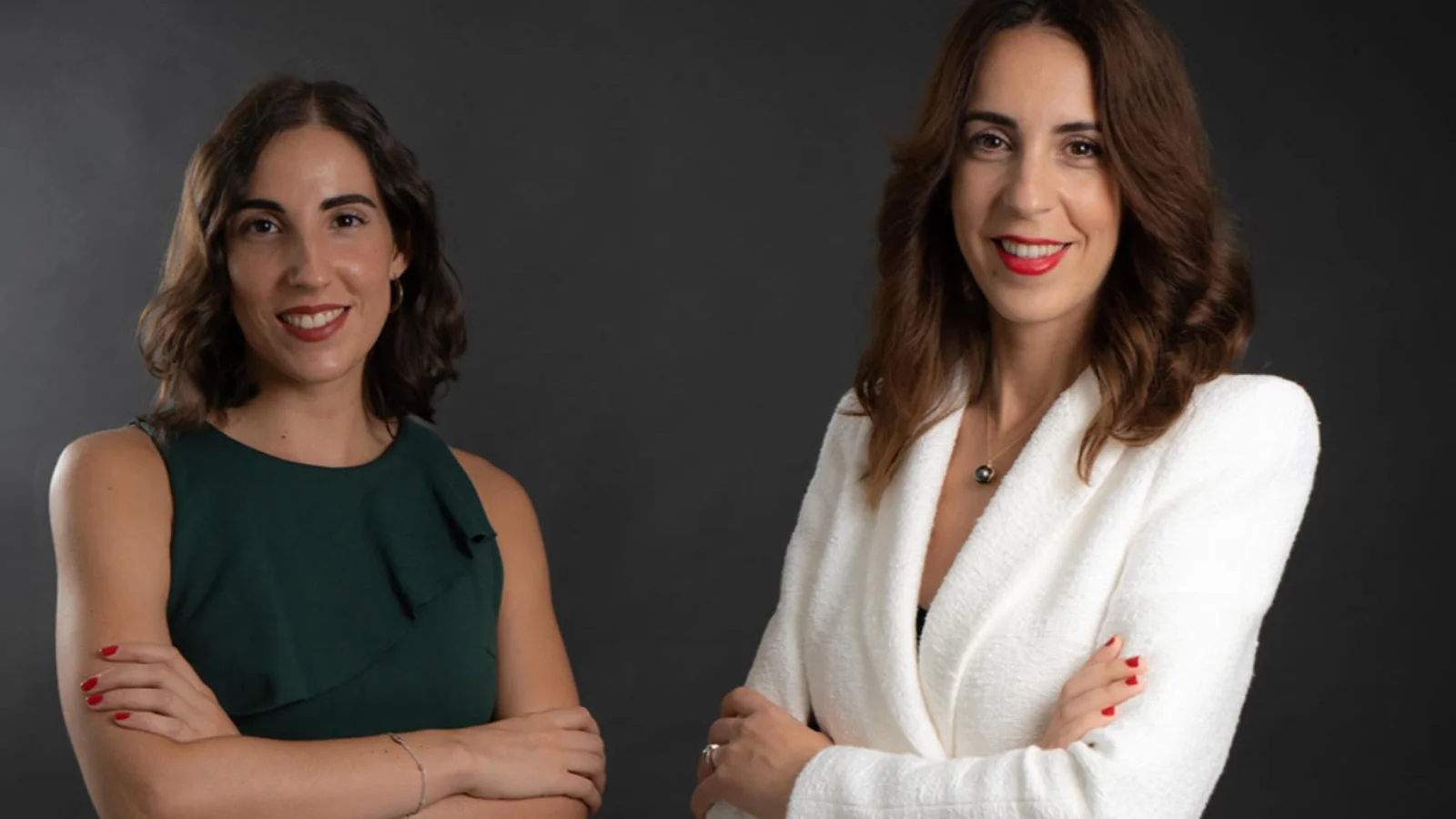
Andrea Lázaro and Laura Dubà of Verum Advocats
Inheritances usually arise in a complex emotional context. The loss of a family member is compounded by procedures, financial decisions, pending documentation, and, on many occasions, doubts about what each person is entitled to.
From Verum Advocats, a law firm in Terrassa, they recall that having advice from inheritance lawyers in Terrassa can help to organize the process and prevent a delicate family situation from escalating into a major conflict. As explained by the firm, one of the scenarios that generates the most queries is that of inheritances without a will. In these cases, the family does not start from an express wish of the deceased person, but must resort to the legal order of succession and carry out the necessary procedures to determine who the heirs are and how the estate should be managed.
As explained by the firm, one of the scenarios that generates the most queries is that of inheritances without a will. In these cases, the family does not start from an express wish of the deceased person, but must resort to the legal order of succession and carry out the necessary procedures to determine who the heirs are and how the estate should be managed.
“
"Many families think that if there is no will, everything will be resolved automatically. However, when the time comes, doubts may arise about assets, expenses, housing, bank accounts, or different expectations among heirs"
Not making a will does not mean that the inheritance will not be distributed, but it can make the process less clear for the family. In a succession without a will, the heirs are determined according to the applicable regulations, and it may be necessary to carry out a declaration of heirs before accepting an inheritance and allocating the assets within it.
The problem, they point out at Verum Advocats, is that many people are unaware of this procedure until they find themselves involved in it. Often, the family believes that it will be enough to "reach an agreement", but not all heirs always have the same information, the same availability, or the same vision on what should be done with the assets.
This situation can become complicated when there are several siblings, a family home, joint accounts, loans, outstanding expenses, assets of difficult valuation, or relatives who have provided care for years and expect that dedication to be taken into account.
One of the assets that generates the most disagreements in an inheritance is the home. Not only because of its economic value, but also because of its emotional burden. It can be the residence where the deceased lived, a family home used by several members, or a property that some heirs want to keep and others prefer to sell. If we add the surviving spouse, they will have the usufruct, so if the deceased's children want to sell, everyone must agree.
In these cases, differences can arise quickly. Who can use the home while the inheritance is being processed? Who pays for community fees, utilities, property tax, or maintenance? What happens if one of the heirs already lives in that property? How is it valued if someone wants to keep the property?
“
"The family home is not always seen as just another asset. In many inheritances, it holds memories, expectations, and different needs. Therefore, it should be treated with legal rigor, but also with sensitivity"
The firm reminds us that, when there is no prior planning, decisions about the home may be left to subsequent agreements between heirs. If there is no consensus, the process can be prolonged and cause significant wear and tear within the family.
A common idea is to think that inheritance problems only arise when there are large estates. However, Laura Dubà and Andrea Lázaro point out that many disagreements arise in apparently simple inheritances.
Sometimes the conflict is not due to the amount of assets, but to a lack of information, deteriorated family communication, or the feeling that one party is making decisions without considering the others. Tensions can also arise when some heirs have incurred more expenses, provided more care, or handled more matters before the death.
Among the most frequent problems are the lack of agreement on the sale of a property, doubts about previous bank transactions, the existence of debts, claims for the legal portion (legítima), the distribution of personal belongings, funeral expenses, or difficulty locating essential documentation.
Another sensitive point in inheritances in Catalonia is the legal portion (legítima). Many people are unaware of how it works until they face a claim or the need to calculate it. This can cause confusion, especially when there is a will, but also when the family is unclear about what rights each person is entitled to.
Verum Advocats explains that an important part of the work in succession matters consists of translating the legal situation into understandable language. Not all people involved in an inheritance have the same role, nor do all family expectations necessarily coincide with what the law establishes.
“
"In an inheritance, it is very important to differentiate between what the family believes should happen and what is legally due. When this difference is not explained well, the conflict can grow."
For this reason, the lawyers recommend approaching the inheritance with clear information from the beginning. Understanding who the heirs are, what rights exist, what debts may arise, and what options are available before accepting or distributing assets allows for more secure decisions.
Making a will does not necessarily prevent all conflicts, but it can reduce many uncertainties. It allows the person's wishes to be expressed, the destination of assets to be organized, and makes it easier for the family to know what to do when the time comes.
On many occasions, a will also allows for specific family situations to be foreseen: children from previous relationships, de facto partners, second marriages, dependent individuals, properties that are to be protected, or decisions about who should receive certain assets.
“
"A will should not be seen as something distant or inconvenient. It is a practical tool for organizing important decisions and preventing the family from having to resolve them at an emotionally difficult time"
The partners at Verum Advocats insist that planning an inheritance does not mean anticipating a conflict, but rather trying to avoid it. They also recommend reviewing the will when significant changes occur in family life, such as divorces, new partners, births, property acquisitions, or relevant changes in assets.
Another common mistake is accepting an inheritance without knowing in detail what assets and debts it includes. In some cases, heirs focus on visible properties, accounts, or assets, but do not sufficiently review loans, encumbrances, taxes, outstanding bills, or other obligations.
The firm reminds us that before accepting an inheritance, it is advisable to analyze the inventory, assess whether there are debts, and study the options available to each heir. This prior review can be especially important when there is no clear list of assets, when the deceased had economic activity, or when there are doubts about their financial situation.
Lack of information can lead to hasty decisions. Therefore, Verum Advocats recommends not signing or undertaking commitments without first reviewing the available documentation and understanding the consequences of each step.
Inheritances are not just a financial transaction. They also affect family relationships, memories, expectations, and decisions that can shape the future of several people. When there is no will or when documentation is not organized, the process can become slower and generate tensions that could have been avoided with prior planning.
For Laura Dubà and Andrea Lázaro, the key is to anticipate and seek advice before the conflict is open. This allows for better planning, clarification of doubts, and prevents decisions from being made solely out of urgency or emotional exhaustion.
“
"In matters of inheritance, anticipating is not complicating things; often it is precisely what simplifies them for the family"
The firm concludes that each inheritance must be analyzed individually. A succession with a will is not the same as an intestate inheritance, nor is a family with good communication the same as one where tensions already exist. Therefore, they recommend organizing documentation, resolving doubts as soon as possible, and seeking professional support to make decisions with confidence.
In a context where many families postpone these conversations, Verum Advocats reminds us that planning an inheritance can be a way to protect those left behind, reduce uncertainty, and prevent succession procedures from becoming an additional burden to grief.