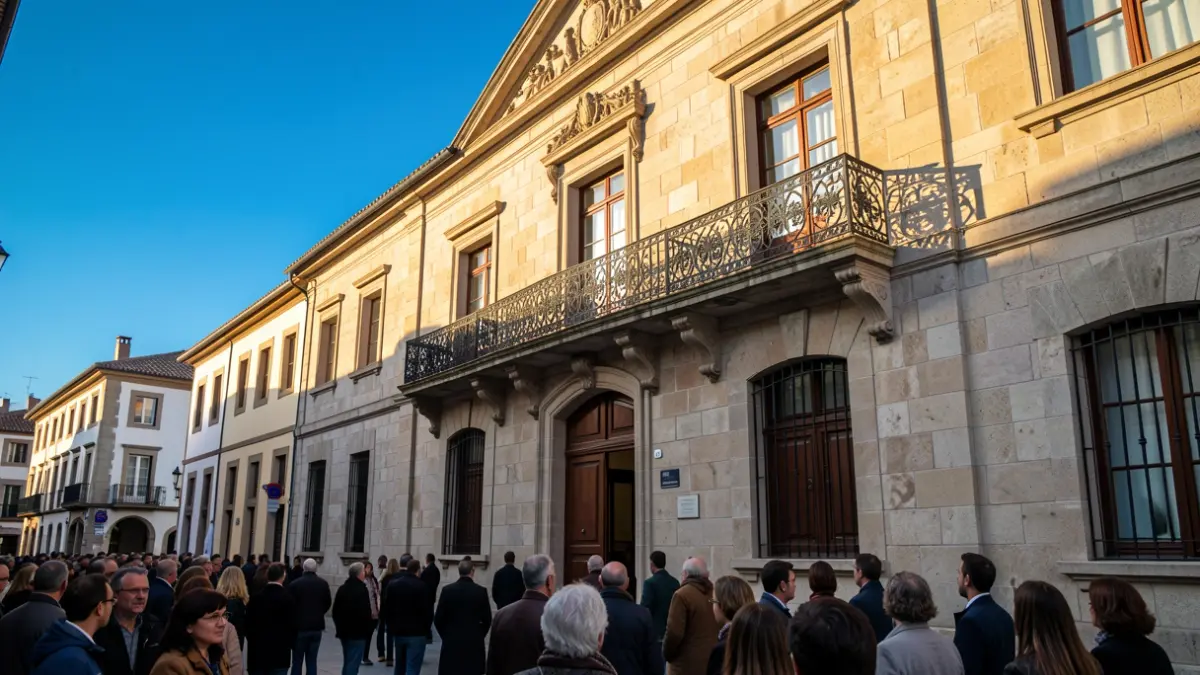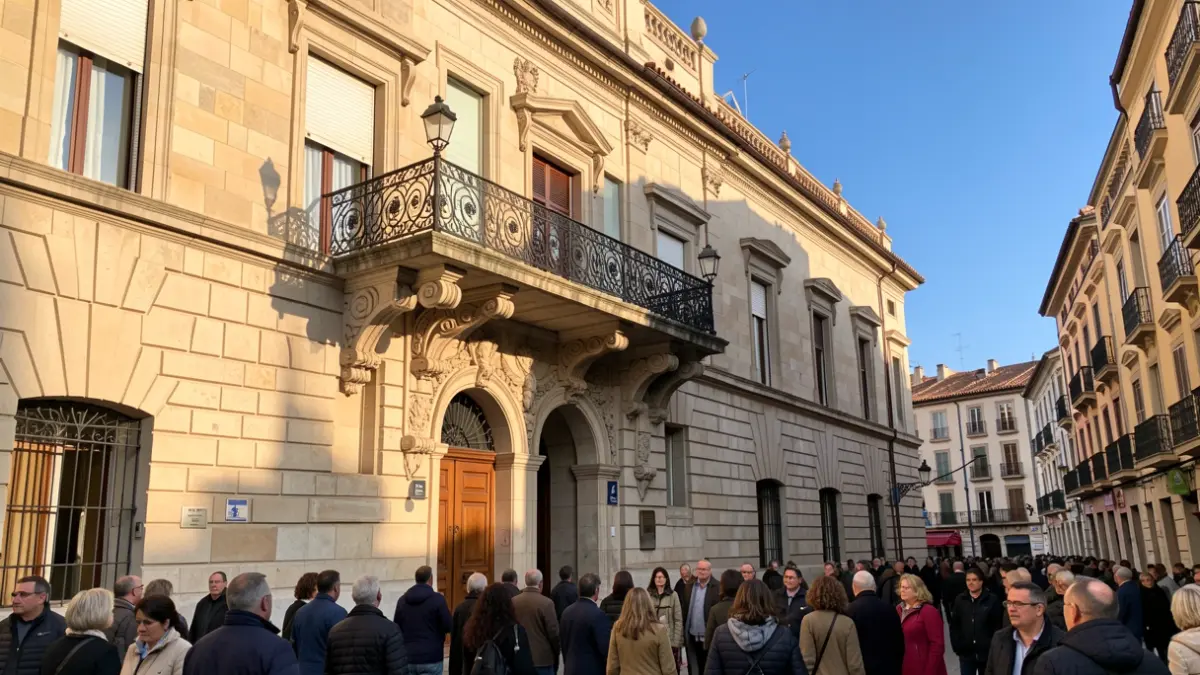
The land transfer has been formalized for a period of 75 years, and the Ginac Foundation will be responsible for managing access for future residents, following criteria established by the local administration. The apartments, which will have between one and three bedrooms, will be primarily allocated to young people under 35 years old, individuals with disabilities, single-parent families, and non-profit foundations that will use them for supervised individuals.
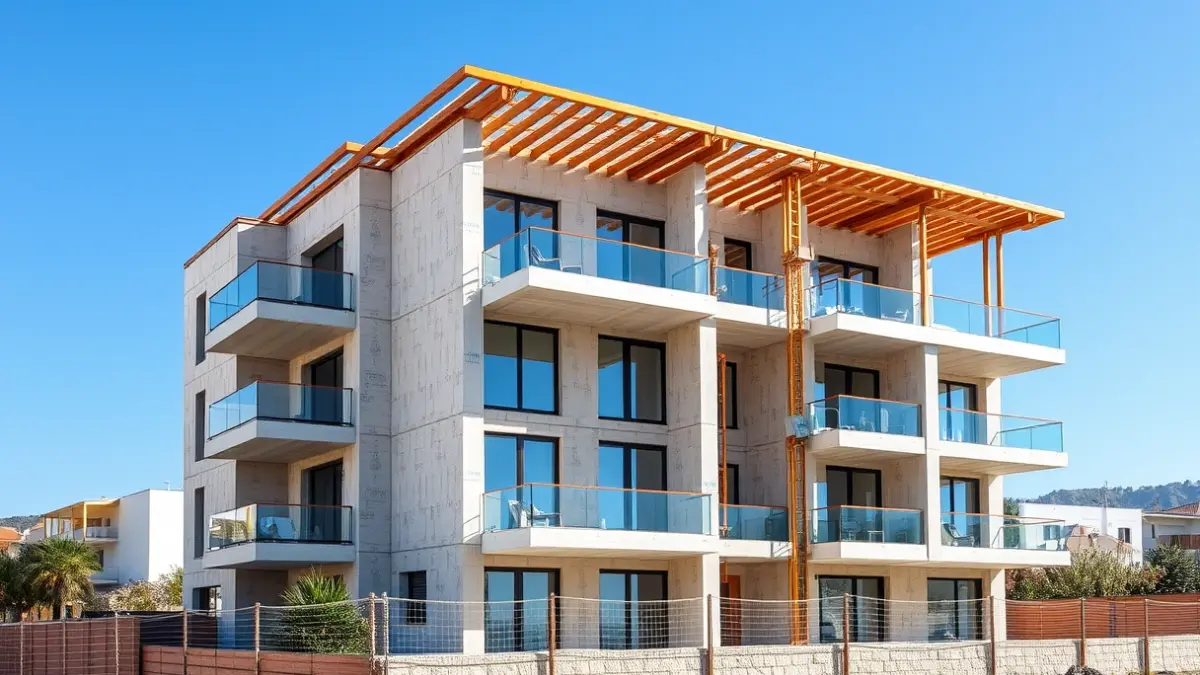
Future tenants will pay a monthly rent ranging from 350 to 500 euros per apartment. Construction, which has already begun, is expected to be completed in less than six months. This reduced timeline is possible thanks to the use of prefabricated materials and a construction system that does not require water or cement, spearheaded by the architectural firm César Martinell & Associates.
The project has a total budget of 2.5 million euros. Of this amount, half a million comes from a subsidy granted by the Generalitat de Catalunya, while the remaining two million are contributed by the Ginac Foundation.
“"We must publicly address the housing shortage."
A spokesperson for the city council emphasized the importance of this initiative to meet the growing housing demand in the municipality. They highlighted that, despite private urban development, it is essential for the public administration to also offer solutions to the housing shortage. The ceded plot, where a dilapidated building once stood and was demolished, will now host a modern construction that will help alleviate this need.
A representative from the Ginac Foundation explained that aspects such as the personal situation of applicants, their ability to afford social rent, and the promotion of good coexistence will be prioritized. They added that the apartments are designed for diverse families and individuals who need a boost to improve their situation. 25% of the homes will be allocated to young people under 35 years old, and the rest to individuals with disabilities, single-parent families, and two apartments to foundations for needs such as supervised housing.
“"Our philosophy is zero water, zero waste, and zero loss."
The head of the architectural firm highlighted the sustainable nature of the construction, which follows an "industrial model" allowing for rapid and efficient execution. They assured that this method minimizes waste and allows for better quality materials and insulation, with the goal of completing the building by summer. The director of the territorial services of Business and Work in Tarragona praised the project as a future example within the social economy and encouraged other municipalities to pursue similar initiatives.