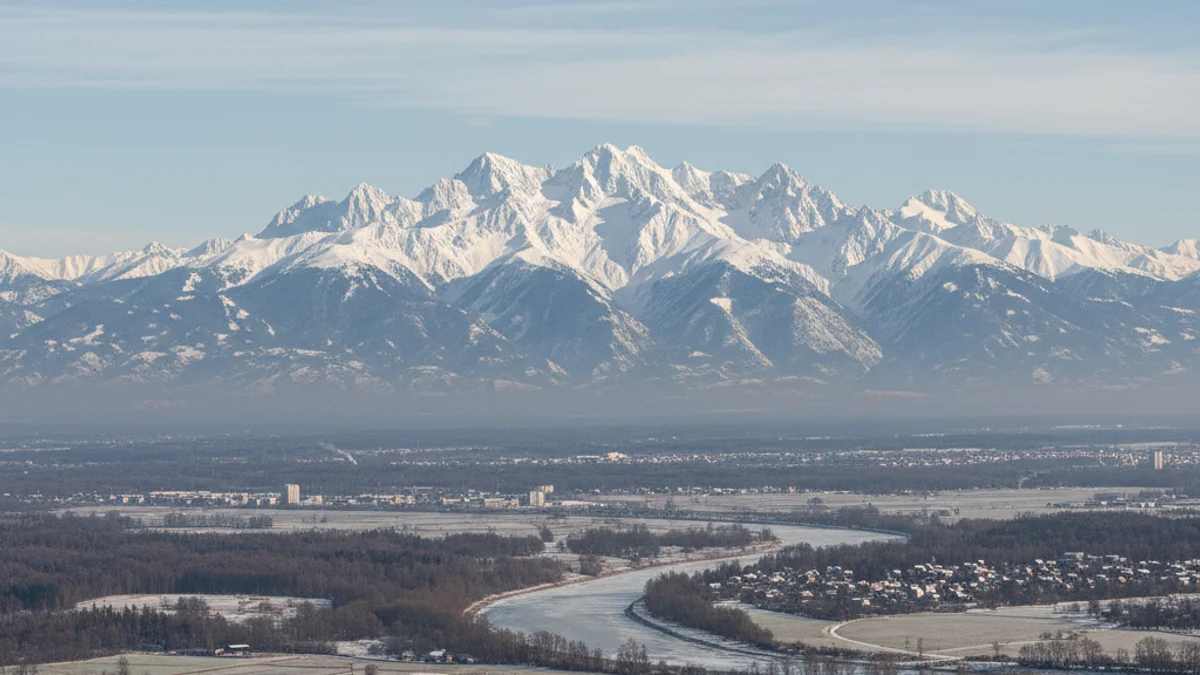
The Christmas storm and subsequent weather events have led to snow accumulation exceeding one and a half meters near the Cortalets refuge, according to reports from the newspaper L'Indépendant. This situation has generated a high risk of avalanches but has also allowed for an exceptional ski season since late December.
The spectacular landscape of the 2,784-meter white beacon was immortalized by astrophotographer Juan Carlos Casado, who captured a stunning image of Canigó from Figueres on January 7, 2026, favored by the clean air and the Tramuntana wind.
Beyond its visual impact, the Canigó massif, located in the Conflent and Vallespir regions, is a key element for the area, acting as an important water supplier for the entire border zone.
Furthermore, its cultural relevance is historical. It is part of the 100 Cims challenge promoted by the Federation of Catalan Hiking Entities (FEEC) and, since 2012, holds the label of great landscapes recognized by the government of France. The writer Mossèn Cinto Verdaguer wrote his famous poem Canigó from the Santuari de la Mare de Déu del Mont d'Albanyà, during an era when such snowfalls were more common.