Morante stresses that transport accounts for 45% of the final energy consumed in Catalonia, mostly derived from oil, making the sector's decarbonization more complex than that of industry. This difficulty stems from the sector being more “diffuse” and lacking a unified lobby demanding increased electricity supply.
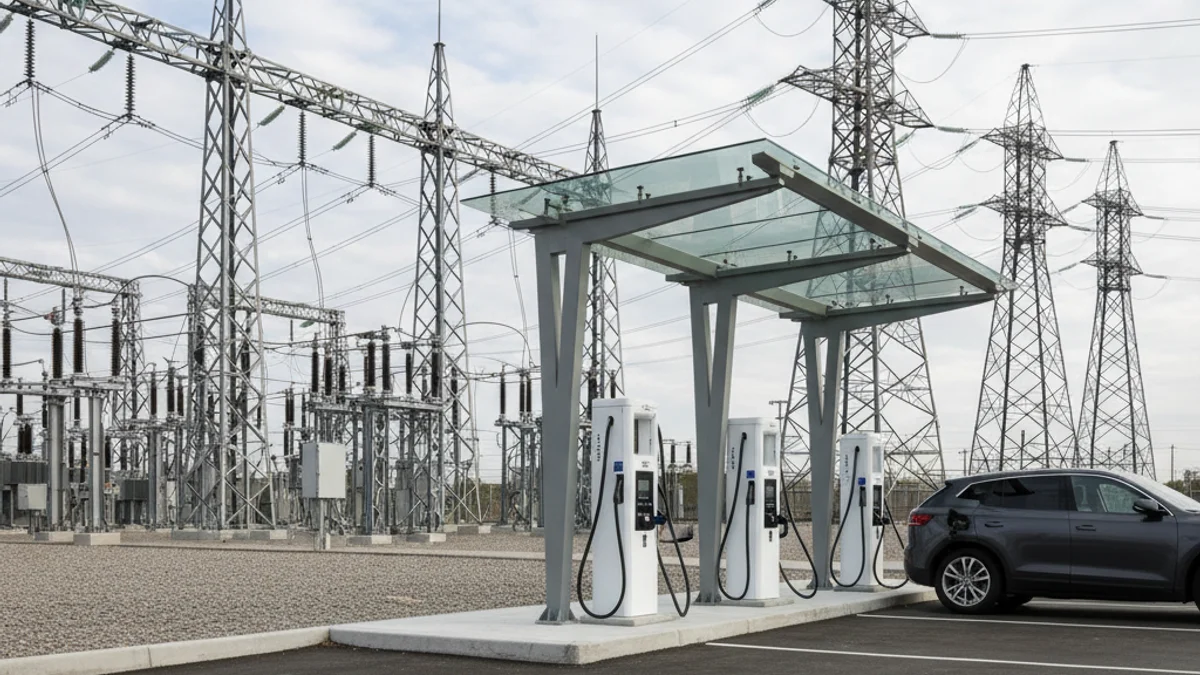
“"It is necessary to convert gas stations into fast or ultra-fast charging stations, to be able to charge the car in an hour or minutes and have considerable autonomy."
The IREC director insists that achieving this transformation requires “industrial amperage” and more electrical substations, as the current grid in the Barcelona metropolitan area is inadequate. This lack of proactive planning means many industrial projects and even individuals, like a taxi driver, are on waiting lists or are being denied connection.
Morante criticizes that the current electrical planning, including that covering the Port of Barcelona and the Tarragona petrochemical industry, is “reactive policy.” He warns that if all grid reinforcement already has assigned clients, very little energy will be available for the massive electrification of transport, especially for key fleets such as trucks and buses.