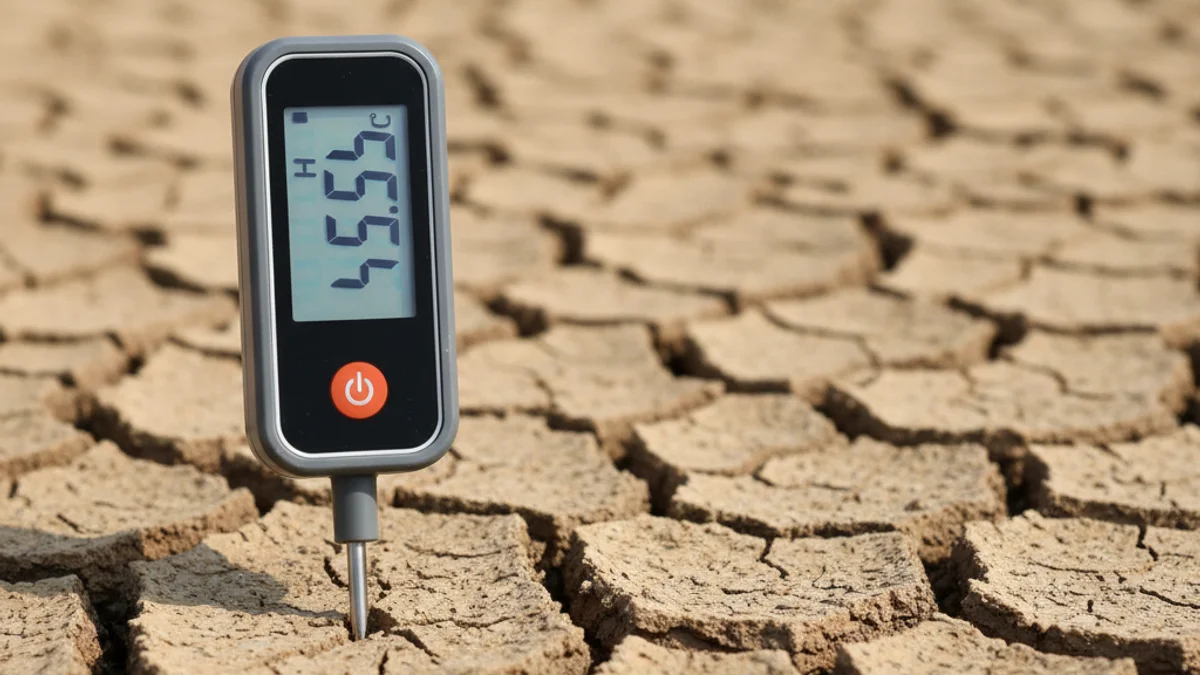
The Copernicus climate program has released data confirming 2025 as the third warmest year ever recorded, with a global temperature 1.47 °C above pre-industrial levels. This figure is only 0.13 °C below the record set in 2024, the warmest year in the series.
The most concerning finding is that the last three years, from 2023 to 2025, have averaged above the critical 1.5 °C warming threshold, marking the first time this has occurred over a consecutive three-year period. The report attributes this warming to the accumulation of greenhouse gases and exceptionally high ocean temperatures.
The last 11 years have been the warmest since records began, with the global temperature in 2025 reaching 14.97 °C.
The data, coordinated with international bodies such as NASA, NOAA, and the WMO, also confirms that 2025 was the warmest year recorded in Antarctica and the second warmest in the Arctic. Furthermore, the Copernicus Atmosphere Monitoring Service (CAMS) indicated that half of the Earth's surface experienced more days than normal with intense thermal stress.
According to current estimates, the rate of global temperature growth suggests a sustained breach of the 1.5 °C threshold by the end of this decade, ten years earlier than initially projected when the Paris Agreement was signed.