The study, published in the journal Nature Medicine, was led by researcher Hanna Fink of the International Agency for Research on Cancer (IARC). The work analyzed 36 cancer types across 185 countries and their relationship with 30 modifiable risk factors, including infections, environmental, and occupational hazards.
The global results indicate that, of the 18.7 million new cancer cases recorded worldwide in 2022, approximately 7.1 million (37.8%) were potentially attributable to these factors. The proportion was notably higher in men (45.4%) than in women (29.7%).
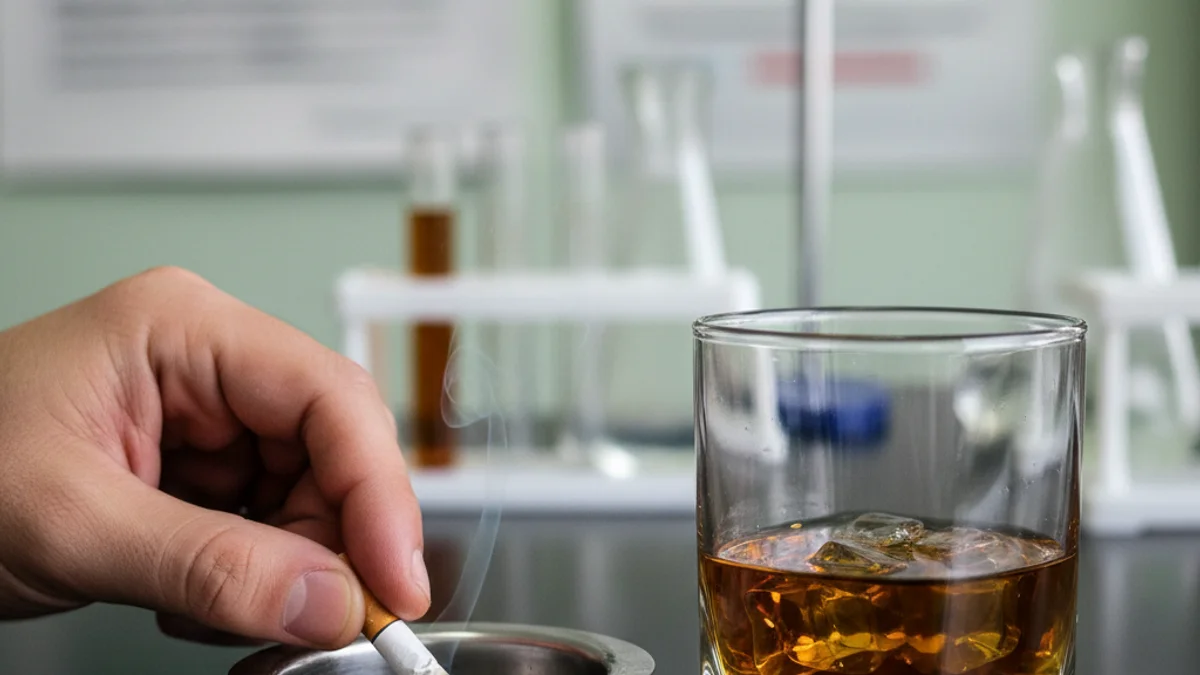
Smoking was confirmed as the main contributor to new cancer cases globally, associated with 15.1% of diagnoses. This is followed by infections (10.2%), such as the human papillomavirus (HPV) or the bacterium Helicobacter pylori, and alcohol consumption (3.2%).
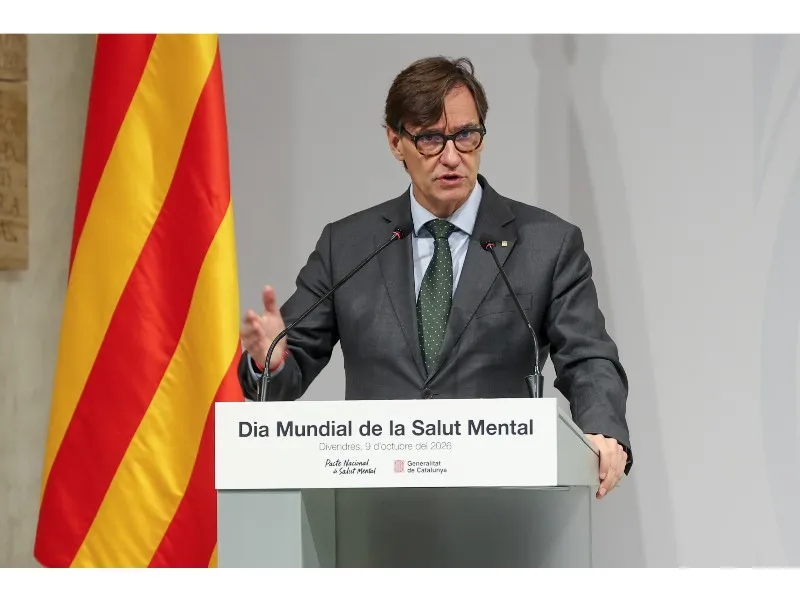
“"The main conclusion of this study is the value of prevention to effectively reduce the burden that cancer places on our population. In the case of Spain, the data indicates that tobacco, alcohol, infectious agents, obesity, and a sedentary lifestyle are the main factors that can be avoided."
In Spain, the analysis estimates that 41.8% of cancer cases in men and 26.1% in women are attributed to external modifiable factors. For men, 28.5% of diagnoses are linked to tobacco and 5.2% to alcohol. For women, tobacco accounts for 9.9% and alcohol for 2.7%, highlighting significant opportunities for public health prevention strategies.