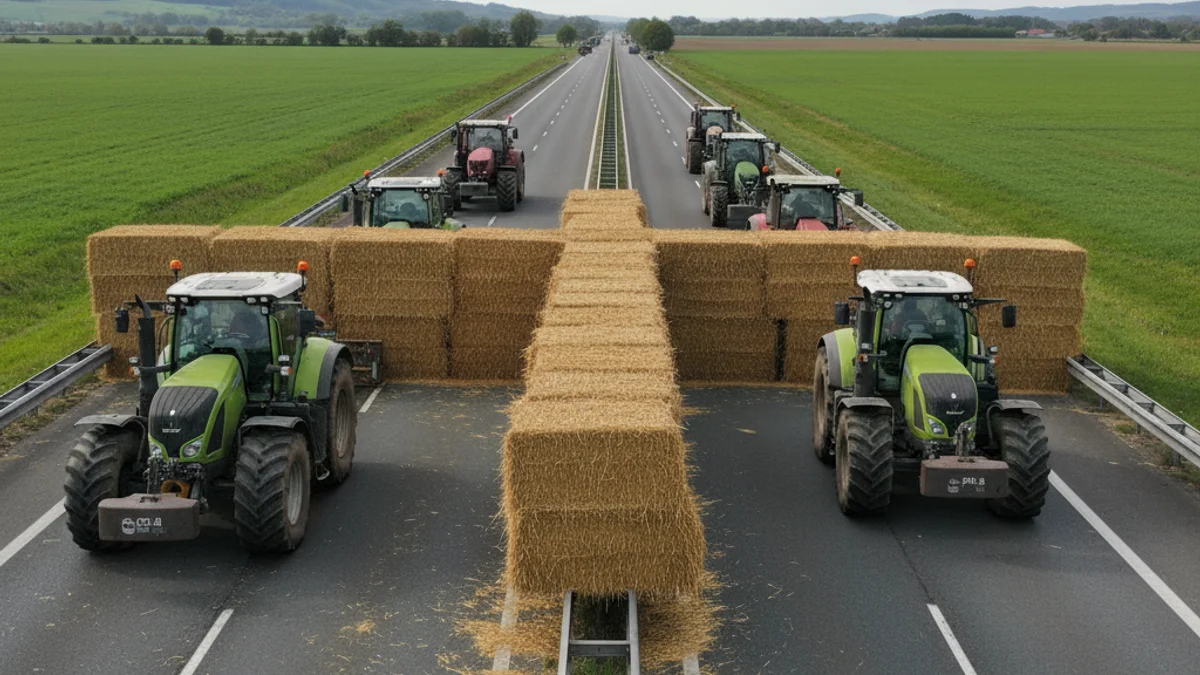
The Catalan primary sector has escalated its confrontation with institutions, maintaining several active blockade points since Thursday. The most significant cuts are those on the C-16 between Berga and Casserres, the access points to the Port of Tarragona, and specifically, the AP-7 stretch between Borrassà and Vilademuls, and the N-2 in Pontós, both in Alt Empordà, which have been declared indefinite.
“"We are very disappointed with the minister. We said we would accompany him to Madrid and Brussels, but he is ignoring the Parliament, which is against Mercosur."
These mobilizations occur after the EU-Mercosur agreement was ratified in Brussels on Friday, although the final signing will not take place until Monday. This pact, which had been negotiated for 25 years, will create the world's largest free trade area, involving a market of 720 million people.
“"They are exchanging food safety for selling four cars in South America."
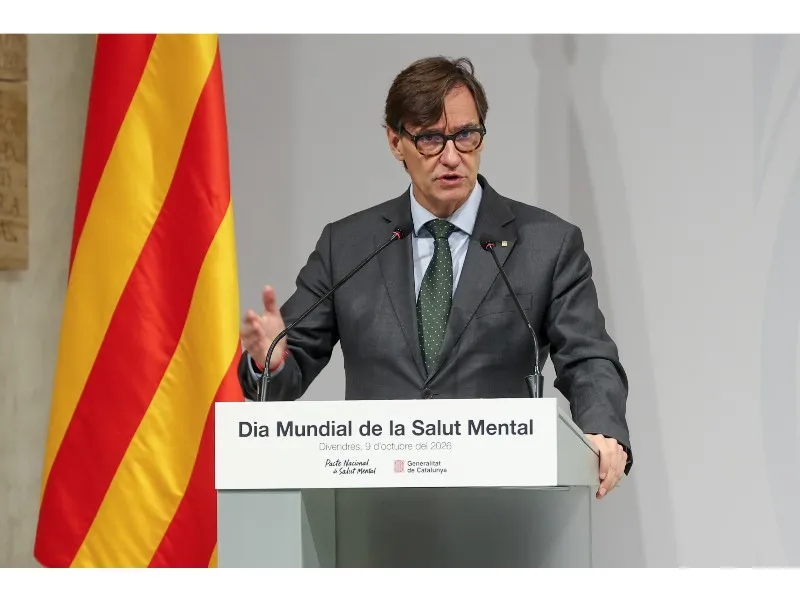
Amidst the tension, the Minister of Agriculture, Òscar Ordeig, defended the benefits of Mercosur, arguing that Catalonia, as an exporting region, is the one that gains the most from commercial agreements. However, the meeting with sector representatives in Reus failed to bridge positions, and the farmers presented an ultimatum to end the protests: a three-way meeting involving the Moncloa.