Despite widespread protests from the agricultural sector across Europe, the commercial agreement between the European Union and the Mercosur countries (Argentina, Brazil, Paraguay, and Uruguay) was formally signed on Saturday, January 17, in Paraguay. Key officials present included European Council President António Costa and European Commission President Ursula von der Leyen.
The pact, negotiated for over twenty-five years, mandates the elimination of 91% of tariffs on EU exports to Mercosur and 92% on imports from the South American market. However, the resulting two texts require approval from the European Parliament to take effect, a process that could be delayed if the pact is referred to the Court of Justice of the EU (CJEU).
“"Producing is already more expensive because the natural conditions are different, and if you add the legislative handicap, it represents a double punishment for European farming."
Joan Vidal, the regional coordinator for Unió de Pagesos in Anoia, stresses that the main threat lies in the disparity of production conditions. While the EU imposes “very restrictive” legislation, especially regarding phytosanitary products and bureaucracy, Mercosur countries benefit from vast lands and significantly lower production costs, leading to what he calls “unfair competition.”
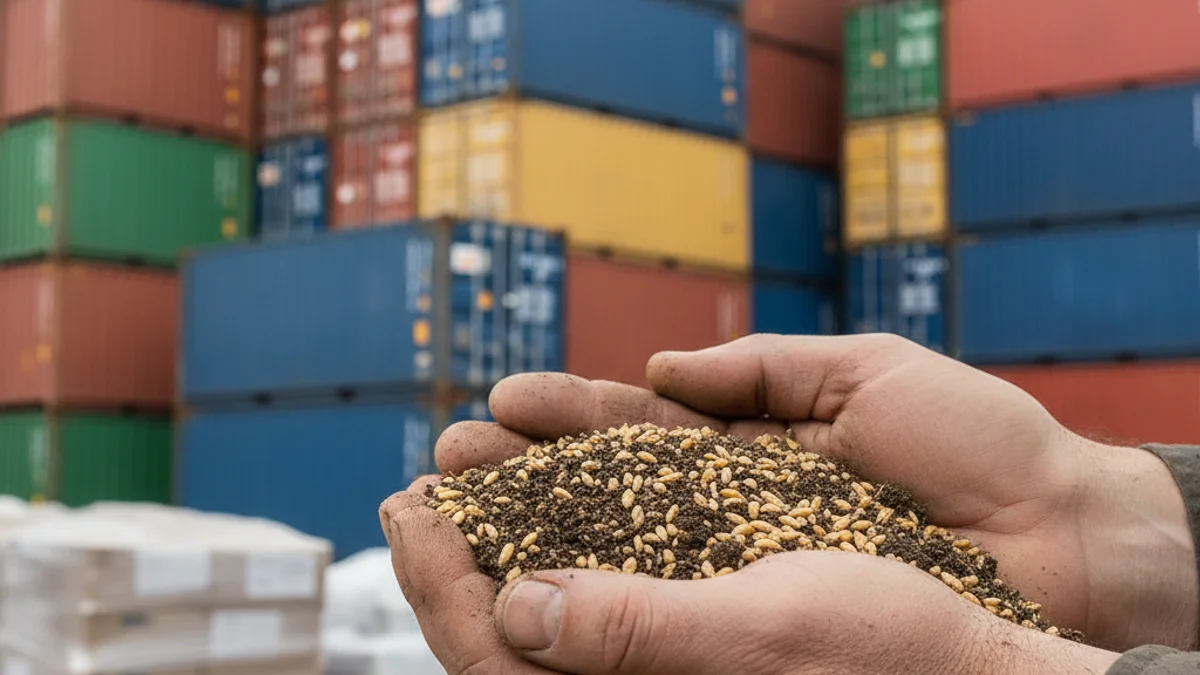
The removal of tariffs will allow basic products like cereals, beef, and chicken to enter the EU market at prices far below European production costs, potentially leading to land abandonment. Farmers demand the agreement's revocation or, failing that, compensatory measures such as strict border controls or direct aid to maintain farmers' income.