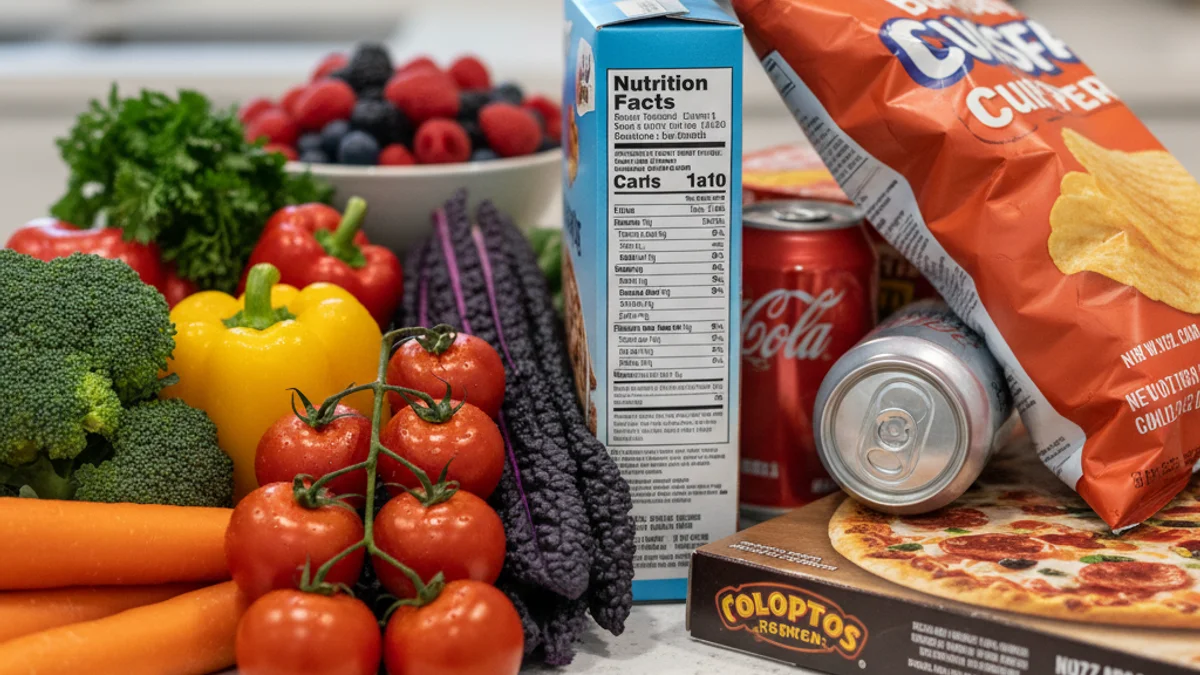
The study, led by primary care teams in Bages, including professionals from CAP Sagrada Família, CAP Bages, CAP Navarcles, and CAP Sallent, focused on analyzing salt consumption and knowledge among 430 patients and 48 healthcare professionals. The research was recently honored by the Societat Catalana de Medicina Familiar i Comunitària (CAMFiC) for its innovative contribution.
The main conclusion is that the majority of the population fails to identify that 75% of salt consumption comes from processed foods, known as 'hidden salt'. Only 10% is added during cooking or at the table, and 15% is naturally present in fresh foods.
Although over 90% of respondents know that excessive salt is harmful, patients and professionals tend to underestimate their actual consumption, which often exceeds recommended levels.
The investigation underscores that reducing salt intake is a public health priority. The World Health Organization (WHO) estimates that lowering average consumption to less than 6 grams daily could prevent up to 2.5 million annual deaths from cardiovascular diseases.
The study concludes that correctly identifying salt sources is a key step in reducing consumption. Therefore, it highlights the fundamental role of primary care in reinforcing messages such as prioritizing fresh foods, cooking with less salt, and reading nutritional labels to choose low-sodium products.