The new regulation, promoted by the Ministry of Social Rights, Consumer Affairs and Agenda 2030, aims to curb the consumption of these products in Spain, which has tripled in the last three decades. This increase has been linked to a deterioration in diet quality and a higher risk of obesity, diabetes, and cardiovascular diseases, according to scientific articles published in The Lancet.
The scope of the measure is broad, covering health centers, social health centers, elderly residences, centers for victims of gender violence, centers for minors, museums, libraries, universities, sports facilities, and public workplace cafeterias.
The offering of ultra-processed foods will be completely prohibited in menus intended for children and adolescents admitted to hospitals or residential centers, as well as in public dining areas.
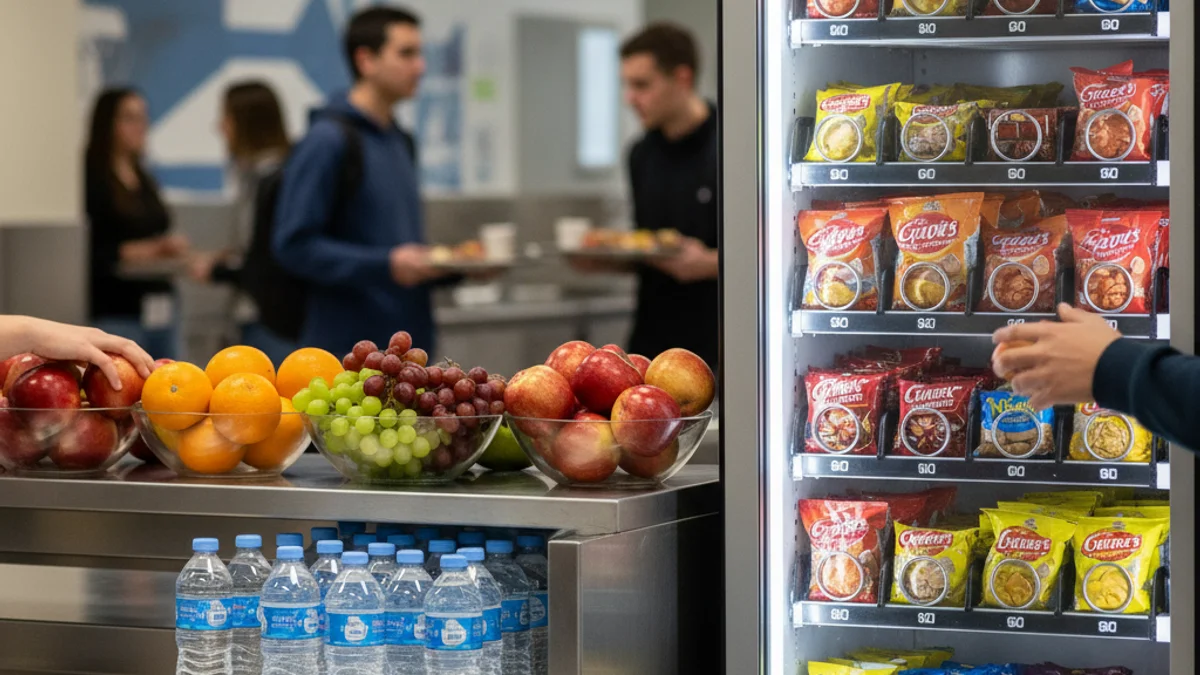
For centers providing full board or residential care, the decree sets a maximum limit of two weekly servings of ultra-processed foods in main meals, and only one serving per week for breakfasts and snacks. Furthermore, the measure mandates that at least 80% of vending machine products must be healthy, and regulates their placement to avoid high visibility areas.
The rule also requires the installation of properly marked fountains in public facilities to ensure free access to drinking water for users.