The agreement, approved by the municipal government of Cambrils, establishes a shared management period of four years, extendable up to four additional years, between the city council and the entities registered in the municipal registry. This signing allows the festive groups to begin using the building, which will be equipped with the necessary furniture as planned in the budget for 2026.
“"It is an important step because for the first time, the festive entities of Cambrils have a space truly designed for their needs, which allows them to meet, rehearse, train, and project themselves, and which dignifies and recognizes the function they perform in the cultural and social life of the municipality."
The agreement provides for the creation of a management and monitoring commission, composed of municipal representatives and one representative from each entity. This commission will be responsible for proposing the annual usage calendar, coordinating extraordinary activities, monitoring maintenance, and managing ordinary incidents related to the space.
The entities included in the agreement are the Colla de Diables Cagarrieres, the Colla de Diables Els Cagarrieres, the Colla Gegantera Tota l'Endenga, the Ball de Bastons de Cambrils, the Associació Cop de Cap Timbalers de Cambrils, and the Amics de la Sardana. The Councillor for Festivities, Alfredo Clúa, emphasized the need to support popular and festive culture by offering adequate spaces to serve as social headquarters.
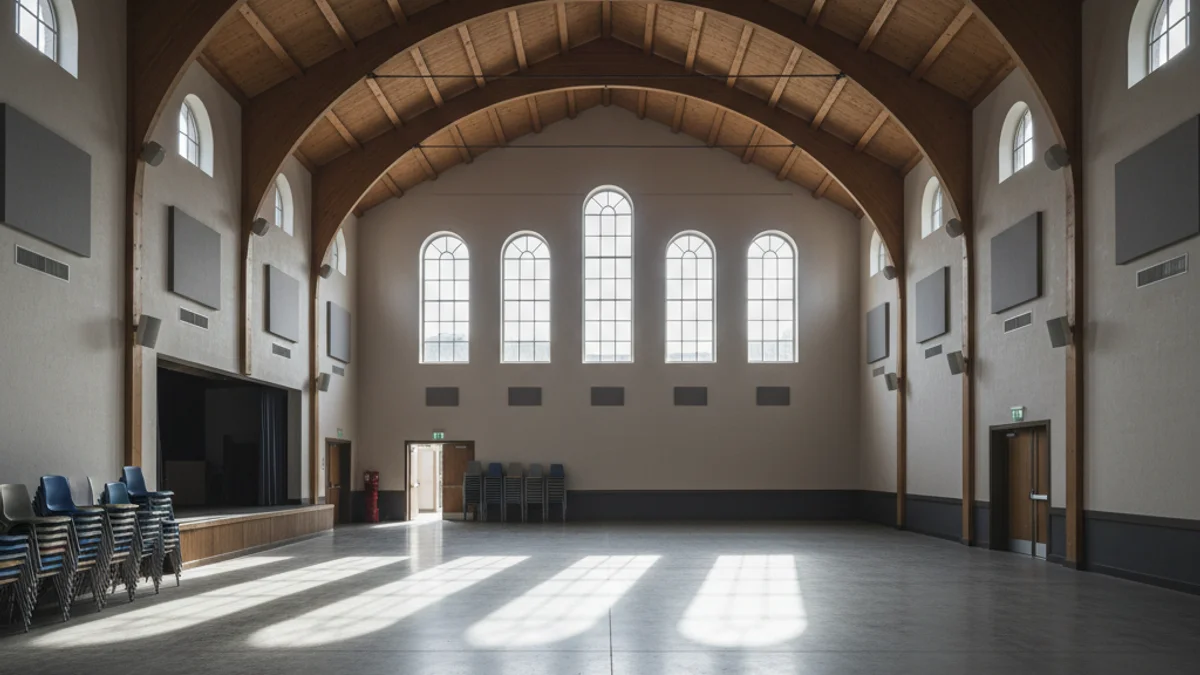
The Casa de la Festa consists of a main building, a courtyard, and a service area. The building features a diaphanous room, three ground-floor rooms, and three rooms on the mezzanine. The diaphanous room and exterior courtyards will be used for rehearsals and multipurpose events, while the rooms will function as storage areas for the different groups.