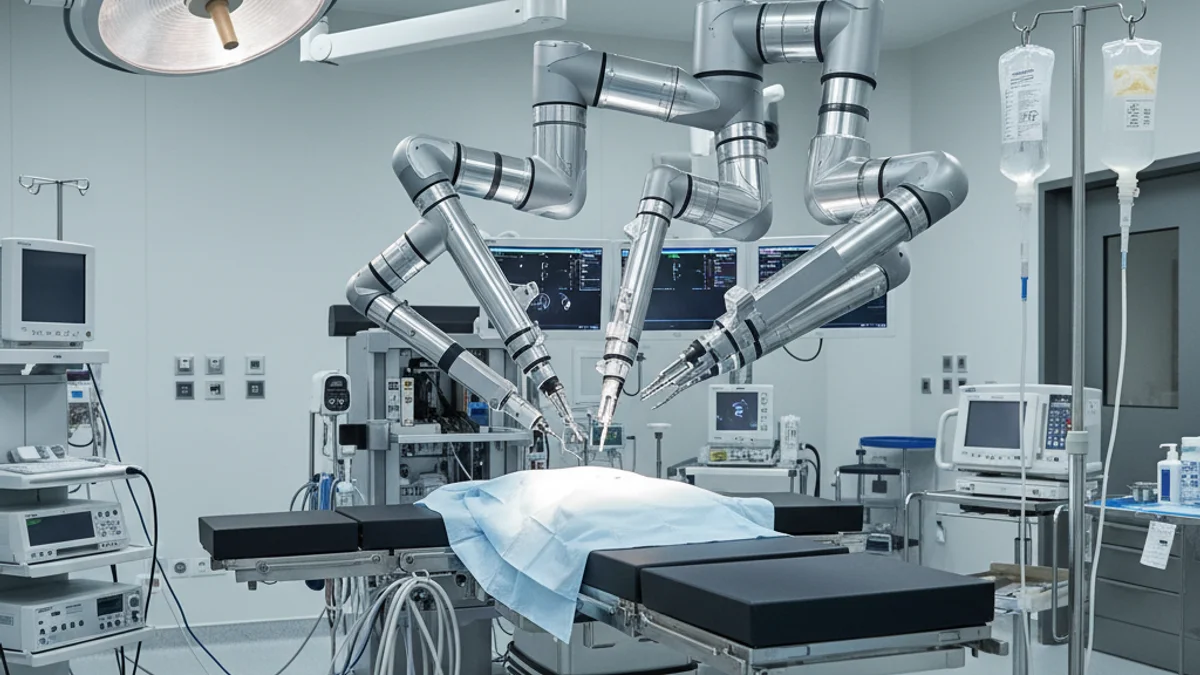
In the surgical field, 2025 was a pivotal year, as Bellvitge became one of the first hospitals in Spain to have four operational surgical robots, enabling up to 1,200 robotic surgeries annually. This technology is associated with less invasive procedures, better postoperative recovery, and increased access to high-complexity surgery.
Furthermore, the center pioneered a technique “for the first time in Spain”: a resection with intraoperative venous bypass. This procedure maintains blood flow during surgery, opening up surgical options for patients who previously only qualified for palliative treatment.
Regarding care improvements, the launch of the new Memory Unit has been highlighted, reducing the waiting list for the first visit to just 15 days. The unit serves over 2,000 people and utilizes a comprehensive, multidisciplinary model coordinated with primary care.
The Biocluster could generate up to 50,000 jobs and revenue exceeding 7 billion euros when fully operational, providing a significant social and economic return for the region.
These advancements are part of the drive for the Bioclúster, centered at the Bellvitge Health Campus (integrating ICO, IDIBELL, the University of Barcelona, and SEM, among others). The goal is to connect research, clinical practice, and industry to translate knowledge into applied solutions. The hospital also participated in the creation of Spain's first public microbiota bank.