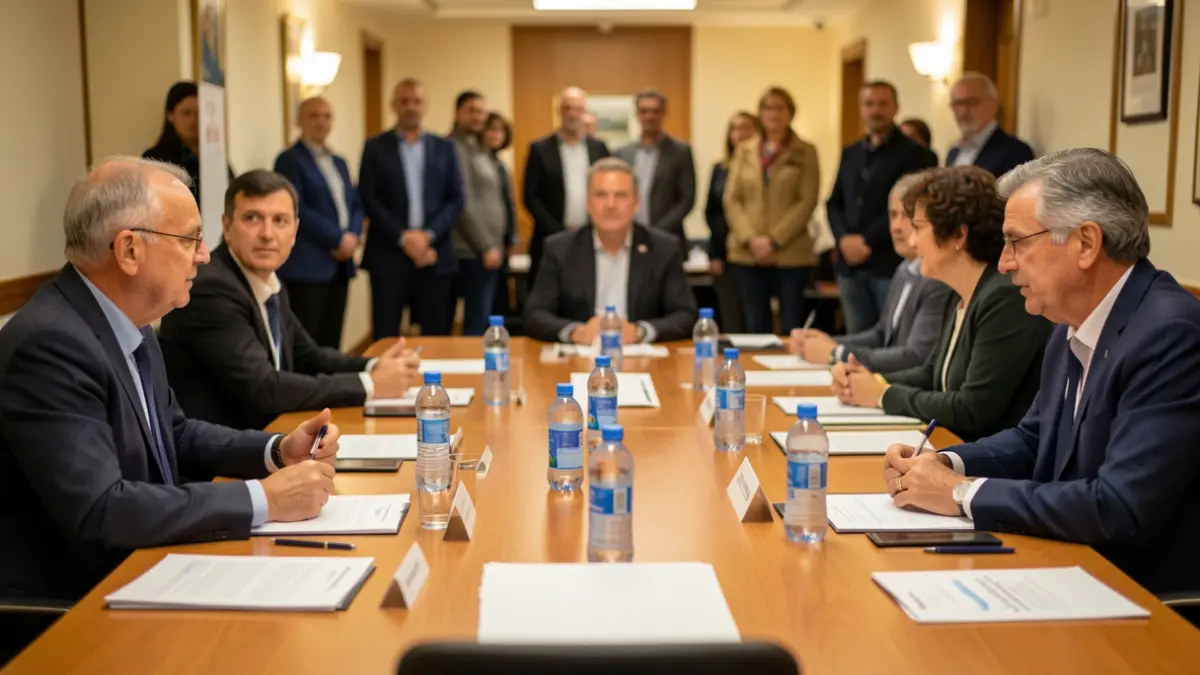
The document, approved on June 26, 2026, was officially presented on Wednesday, September 30, to the territorial agents who participated in the development process. These participation sessions have enriched the debate on the present and future of environmental education in the mountain range.
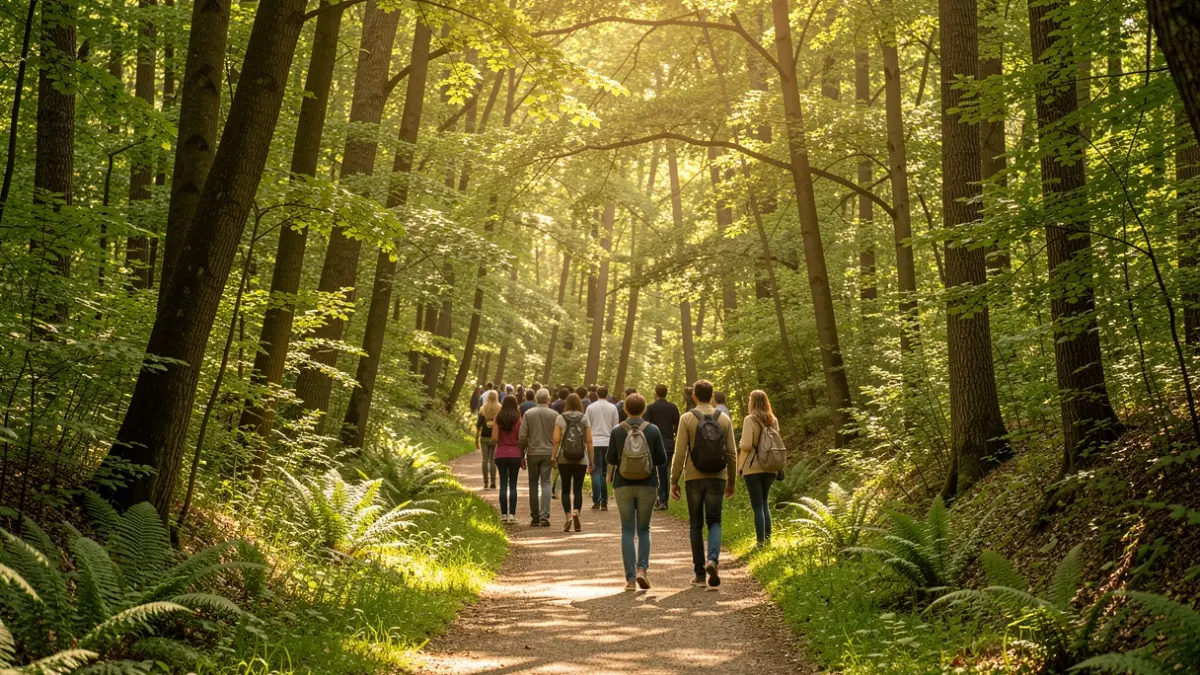
One of the key premises of the new roadmap is to renew the commitment to ensure environmental education continues to be a transversal strategy and a key management tool to balance the conservation of the park's natural, historical, landscape, and cultural heritage with human activities. The plan's mission is to build alliances, work collaboratively, and foster shared responsibility, emphasizing the importance of involving citizens and territorial agents to increase the impact of environmental education on the effective conservation of the Park.
During the months leading up to the presentation, three meetings were organized to collectively define the challenges, objectives, and goals to be achieved, involving 48 representatives from the educational community, public administrations, environmental education companies, and the associative fabric of the Park's surroundings.
The presentation event included interventions by technical staff from the Consortium, presentations by other administrations such as the Generalitat de Catalunya and the Barcelona Provincial Council, and a round table with representatives from entities like the cooperative L’Ortiga, the association El Mussol, and the Arxiu Històric de Roquetes-Nou Barris.
The development of the PEEA 2026-2035 required 20 months of work, supported by the environmental consultancy EspaiTRES. The process included phases of information gathering, diagnosis of existing programs, definition of the strategic framework, and the proposal of an operational framework with 59 actions and projects for the 2026-2035 period.
The finalization of the plan is not an endpoint but a starting point. The Consortium is already working on defining the first action plan for the next four years (2026-2030), including the timeline and the responsible teams.