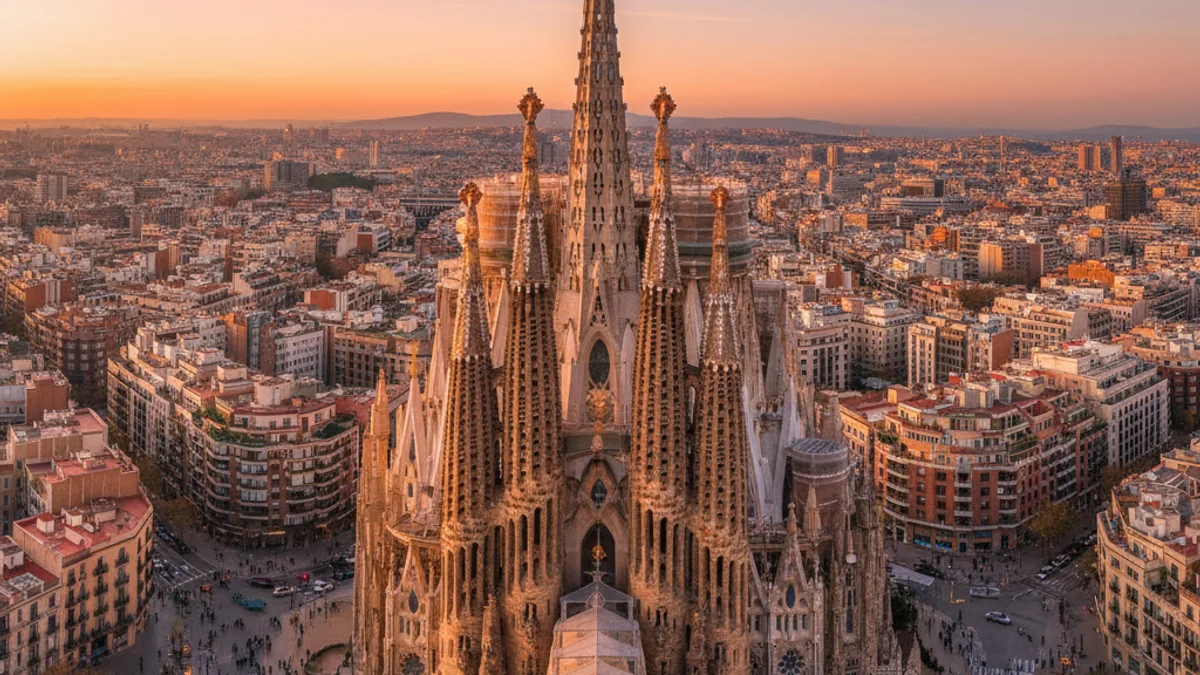
The evolution of the Catalan capital cannot be understood without the drive of its citizens. From the medieval construction of Santa Maria del Mar to the completion of the Tower of Jesus, the city is the result of collective effort.
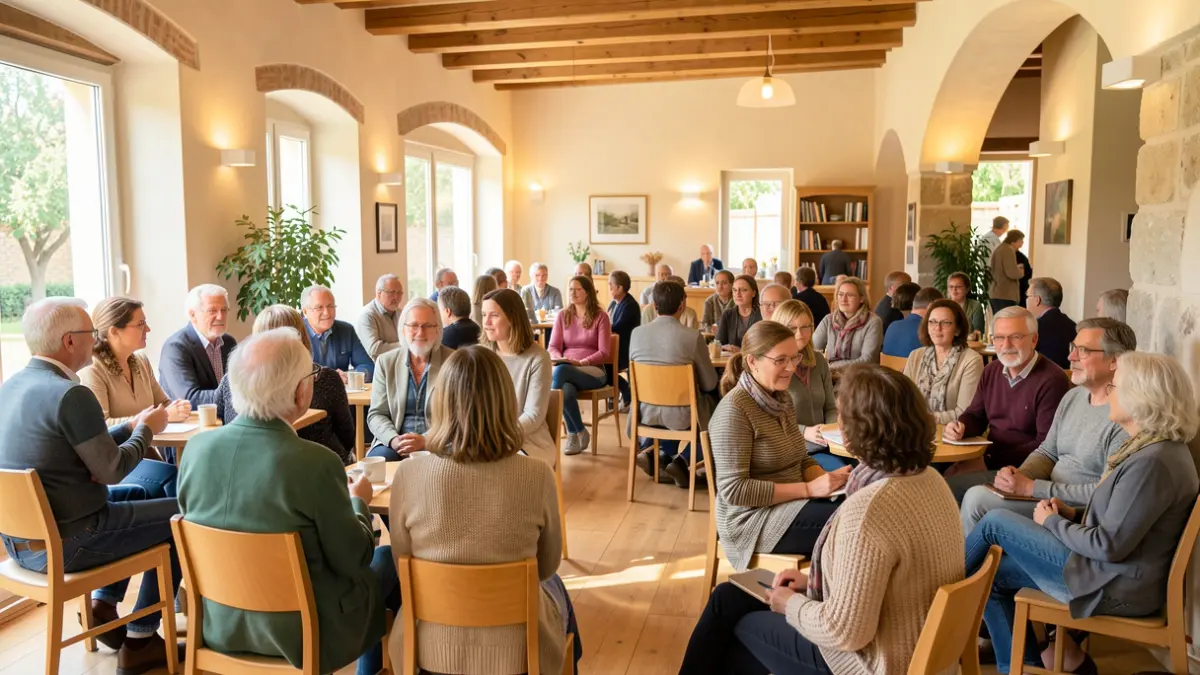
“"Barcelona and the country need a strong and autonomous civil society. With quality leadership that looks beyond, towards collective opportunities."
Currently, the city holds titles such as World Capital of Architecture and European Capital of Local Trade. These honors highlight the network of 39 municipal markets, including La Boqueria and Sant Antoni.
The analysis also emphasizes the need for efficient governments that can harmonize private talent with public service in a complex social and economic context.