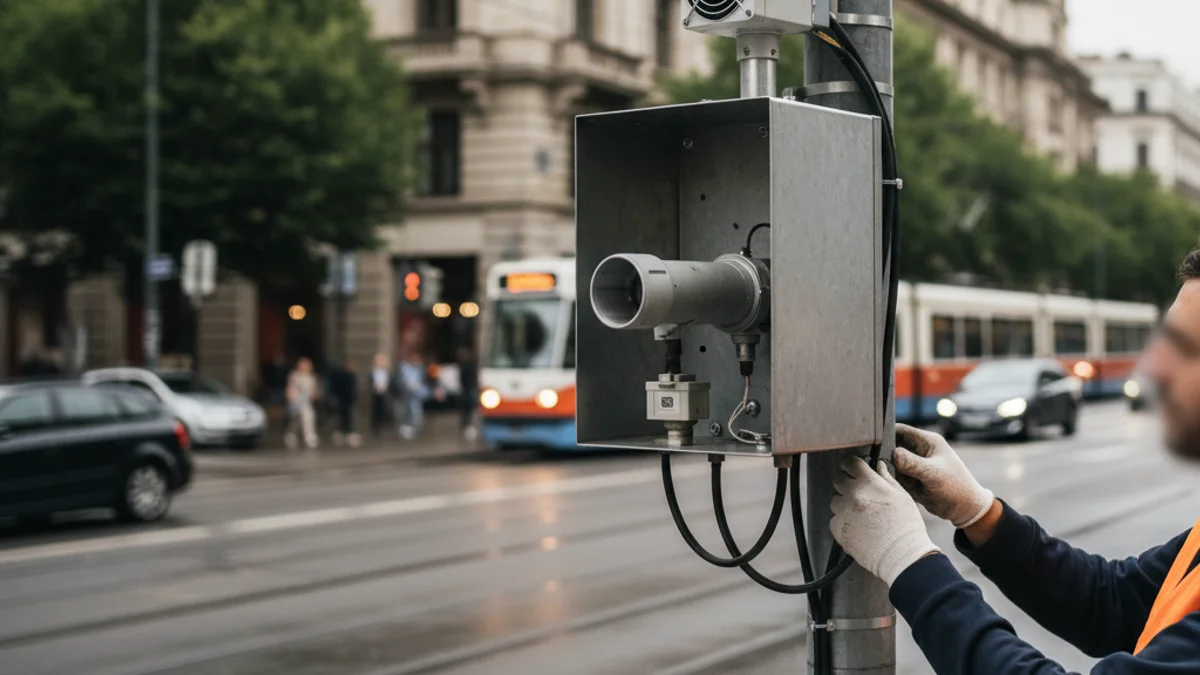
Regarding nitrogen dioxide (NO2), the traffic stations in Eixample (29 µg/m³) and Gràcia – Sant Gervasi (25 µg/m³) maintain the highest readings. Despite the reduction compared to 2024, these figures remain above the 20 micrograms recommended by the WHO and which the European Union (EU) will require starting in 2030.
“"In December 2023, we announced a turning point: Barcelona complied with European standards in all stations for the first time. Two years later, we are talking about a consolidated trend; we again have the best figures since we have records, marking a new historic minimum."
The Councillor for Health, Marta Villanueva, highlighted that the reduction in pollution compared to pre-pandemic levels may have prevented around 800 deaths in the city. Furthermore, Bonet pointed to the improvement in the vehicle fleet, as vehicles with green or eco labels now account for 31% of the total by the end of 2025, three points more than the previous year.
These records have been questioned by organizations such as Eixample Respira and Ecologistes en Acció, who claim that traffic cuts on Comte d’Urgell street due to the L8 works may have masked the results of the Eixample station. Nevertheless, Laia Bonet insisted that the figures are validated by the Generalitat and are “fully representative,” although she acknowledged that 2% of the extraordinary reduction at this station could be motivated by the decrease in mobility resulting from these works.