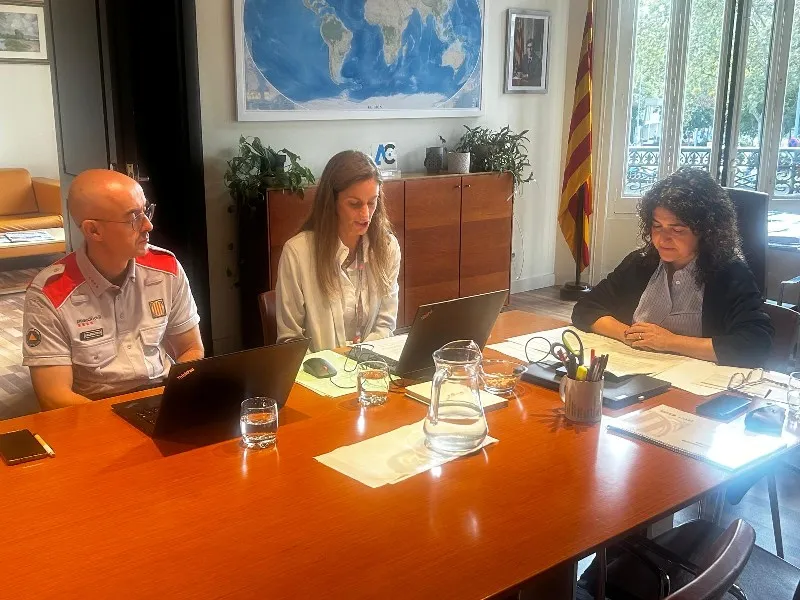
The Jaume Collboni Government has formalized the agreement with the Universitat Politècnica de Catalunya (UPC) to develop a new methodology that allows establishing updated fiscal categories for the streets of Barcelona. The goal is to have a “solid foundation” in case future changes are decided regarding taxes such as the Economic Activities Tax (IAE) or various fees for the special use of public domain.
The current fiscal classification, which determines the hierarchy of streets based on urban and socioeconomic criteria, dates back to December 1991, when the mayor was Pasqual Maragall. The council considers it obsolete due to the economic, social, and urban changes that have occurred over the last 30 years, including the cadastral review of 2017.
The agreement is not intended for the direct application of fiscal changes, nor does it entail automatic increases in fiscal pressure, but only the definition of an updated, objective, and verifiable methodology.
The new multi-criteria methodology, which costs 126,582 euros assumed by the City Council, will incorporate factors such as the intensity and quality of economic activity, the use of public space, pedestrian mobility flows, and urban centrality. The collaboration project with the UPC, which includes drafting the methodological bases, will extend until 2027.
This review coincides with the final procedures for the approval of the 2026 fiscal ordinances. Barcelona en Comú has conditioned its favorable vote on the launch of an urban regeneration plan to rehabilitate 6,000 apartments, especially in neighborhoods like Besòs and Trinitat Vella, a point that, according to the party, “has not moved a millimeter” in recent months.