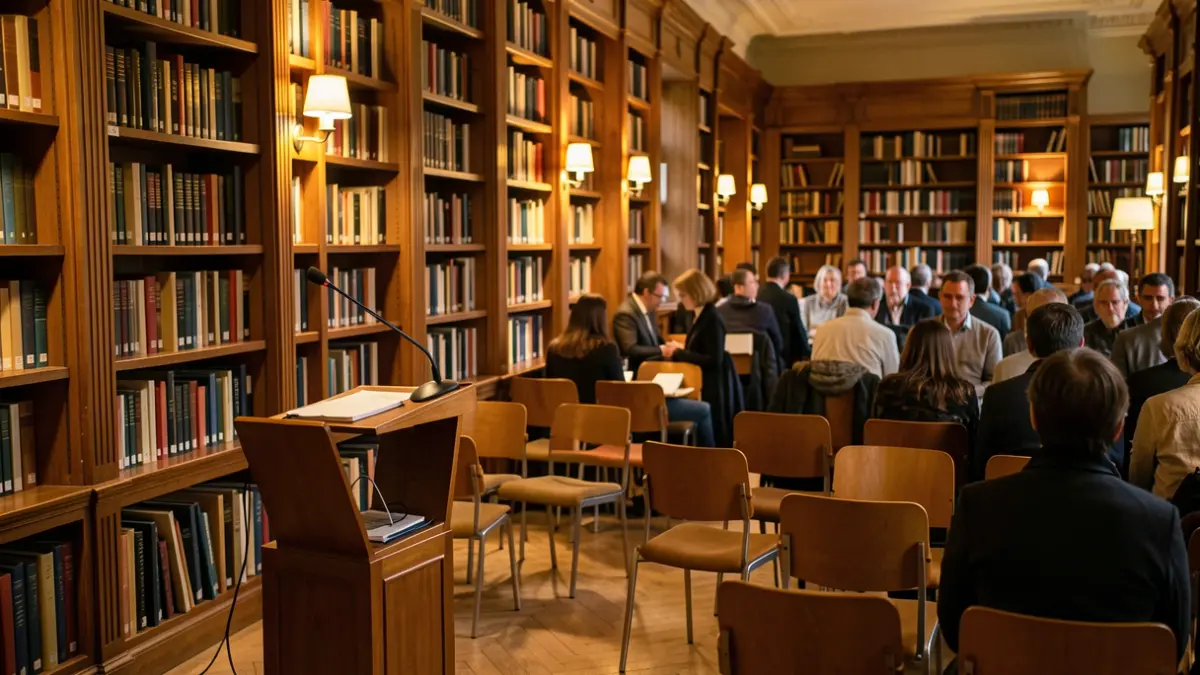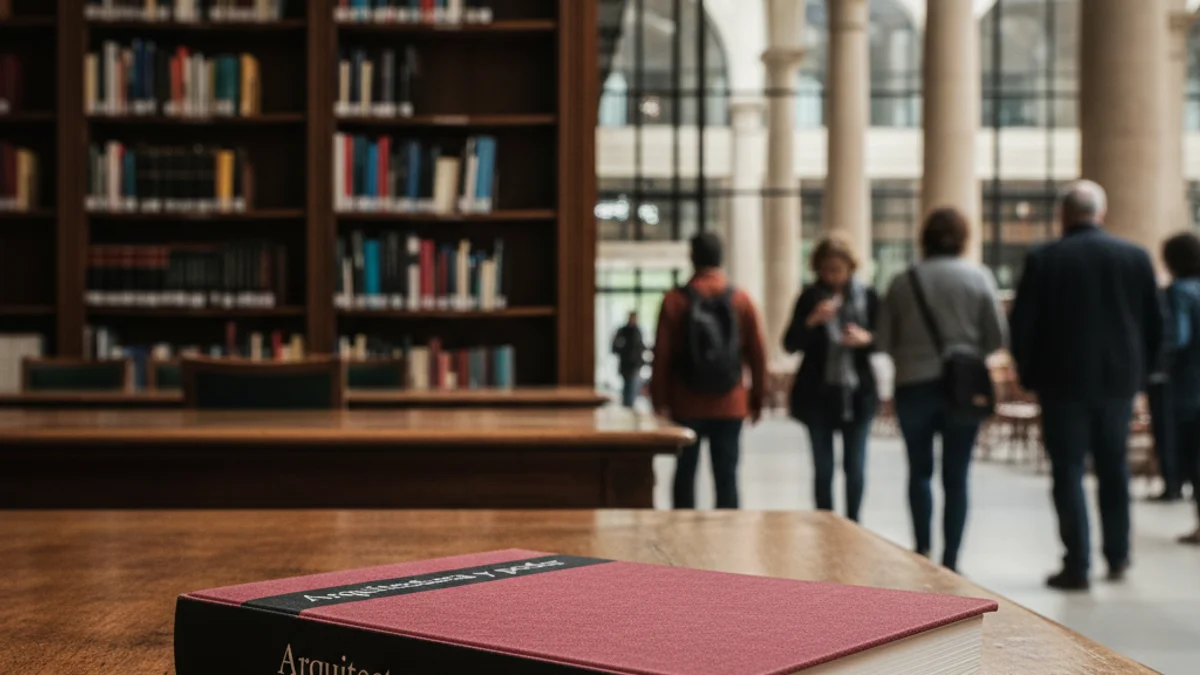
The Pilar Prim Hall hosted the launch of the book Arquitectura y poder. In this work, the author offers a critical journey through various historical examples, from Stalin's constructions to the properties of Berlusconi or Trump, including planned cities like Brasilia or Washington.
During the event, Sergi Miquel reflected on how urban space and religion intertwine with politics in a globalized context. The author, currently pursuing a PhD at the University of Lisbon, argues that architecture does not function in isolation but is a key instrument for understanding social hierarchies.
Born in Llagostera in 1989, Sergi Miquel Valentí has an extensive academic background in design and humanities from institutions such as ELISAVA and the University of Girona. Politically, he served as a member of the Spanish Congress for Girona for three terms.