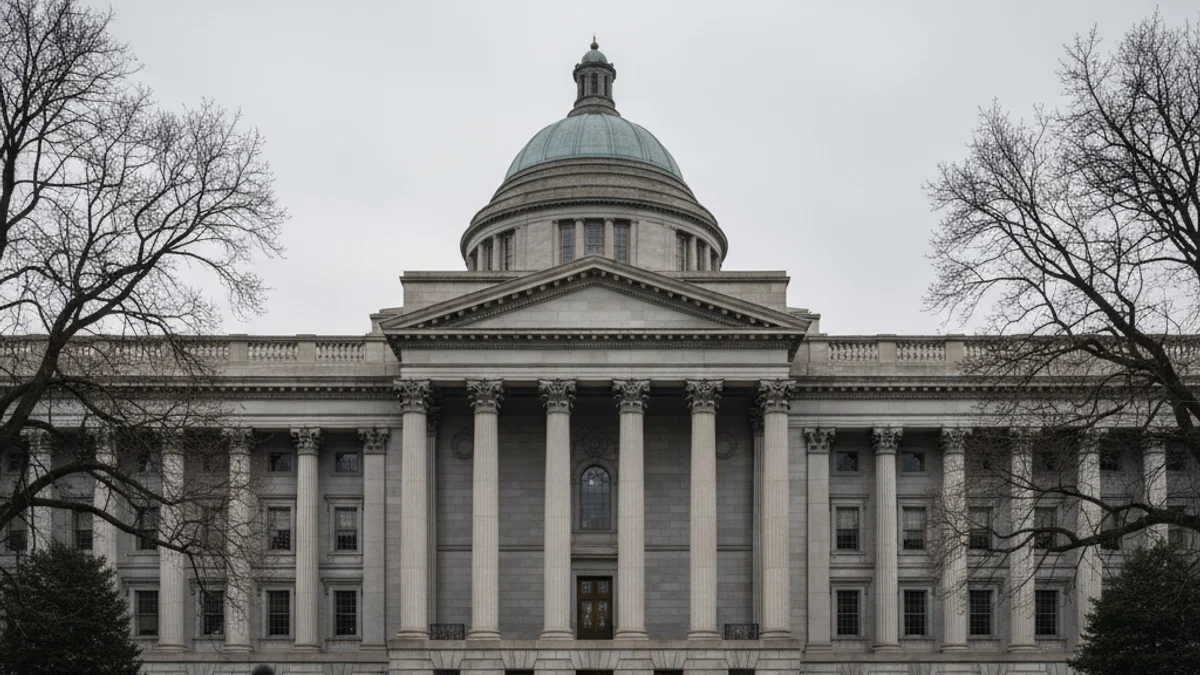
The Supreme Court limited its decision to technical issues, ruling that there was no objective cassational interest, thus avoiding entering the merits of the ethical and legal matter. The order states that the appellant's claim (the young woman's father) to revoke the administrative decision had already been examined and dismissed by lower courts.
The Supreme Court ruling emphasizes that the current cassational system has a “marked vocation” for protecting legal norms and generating uniform jurisprudence, and is not an ordinary appeal to express disagreement with the evidence assessment carried out by inferior instances.
Although the order acknowledges a “procedural irregularity” in the actions of the so-called medico-forensic pair, describing it as “surprising and censurable,” the Supreme Court concluded that this anomaly had no effect on the procedure or caused material defenselessness to either party.
“"If necessary, we will go to Strasbourg. It cannot be allowed that authorization to end a person's life is granted without real and effective judicial control."
Christian Lawyers maintains its opposition, asserting that the dismissal does not constitute an endorsement of the procedure's legality and that the precautionary measures suspending Noèlia's euthanasia remain in force, despite the Supreme Court declaring the decision final. The entity also maintains an open criminal investigation against the pair for alleged prevarication and falsehood.
The young woman, born in 2000, suffered severe sequelae after a suicide attempt in October 2022, leaving her paraplegic. After months of rehabilitation at Clínica Guttmann and Hospital Sant Camil in Sant Pere de Ribes (Garraf), the Ethics and Evaluation Commission authorized euthanasia on July 15, 2024, a decision that was halted by her father's appeal.