The story of the philosopher Diogenes and Alexander the Great, where the former asks the conqueror to step aside because he is blocking his sun, serves as a starting point for a contemporary analysis. This anecdote, highlighting the importance of personal freedom, contrasts with current situations where people, often unintentionally, end up darkening others' days with their lamentations or even with the excessive use of technology.
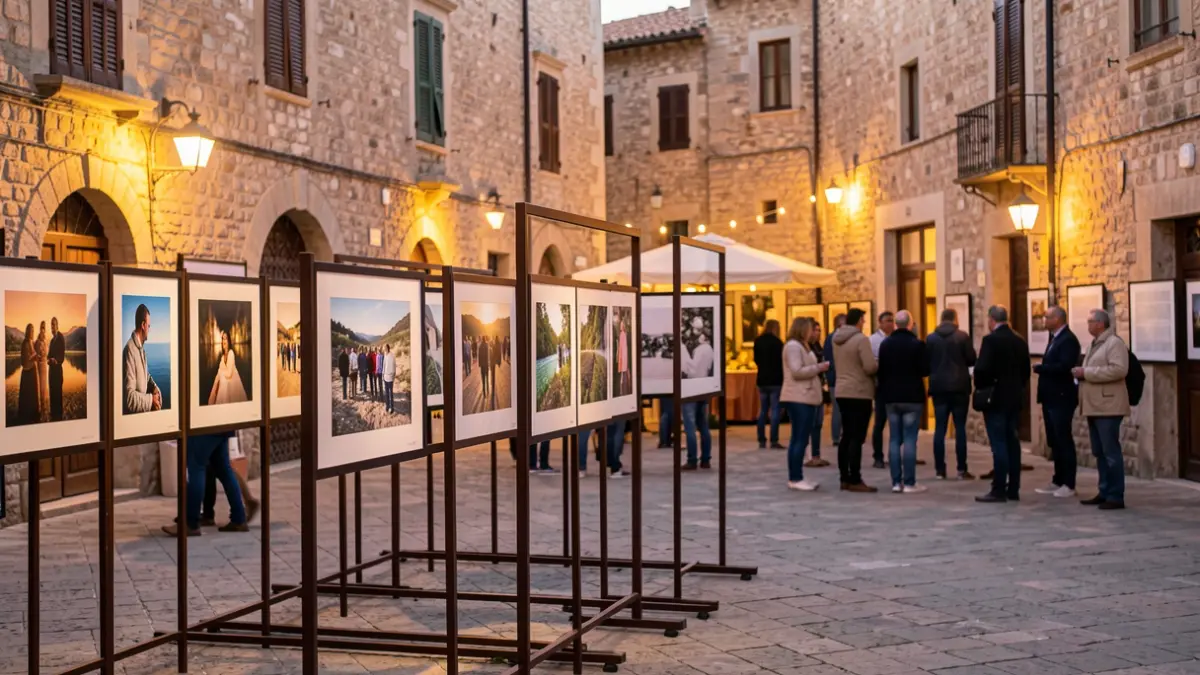
The author points out how new technologies have added new ways to 'block the sun,' especially through the incessant display of personal photographs. From travel selfies to images of garden tomatoes, these exhibitions can consume the time and patience of those who have to endure them, becoming a toll for social interaction.
“"If you flattered the governor, you would not have to eat lentils. If you ate lentils, you would not have to flatter the governor."
Beyond external influences, the reflection delves into the idea that we often block our own sun with our own obstacles. Recurring thoughts of guilt, sadness, and anxiety act as a thick shadow preventing clarity. Life, without following a logical order, invites us to question the need to worry about so many preoccupations.
Recalling the wisdom of Miguel Delibes, who stated that things are neither joyful nor sad but merely reflect the coloration with which we envelop them, the article concludes with a fundamental lesson: do not allow happiness to depend on others. Logic will not penetrate those who shine more through criticism than through their merits, and ignorance, as an anonymous writer said, quickly reaches conclusions. The story of Diogenes and the lentils, where the philosopher rejects flattery to maintain his integrity, closes the circle of this profound meditation.