Geopolitical tension in the Middle East, marked by an exchange of attacks between various powers, has brought the Strait of Hormuz into focus. This maritime route is crucial, as it carries 20% of the world's oil and natural gas. Any threat of blockade in this area has an immediate impact on global energy markets, leading to higher fuel and domestic energy prices.
Fossil fuel prices have seen surges of nearly 30% during periods of peak tension. Although Spain's direct reliance on supplies passing through Hormuz is limited, oil and gas prices are determined by global supply and demand. This means that a reduction in global production directly translates into higher prices for end consumers. In this context, global instability makes the cost of electricity and fuels vulnerable, making it a priority to regain control over family energy expenses.
Given this uncertainty, local energy retailers play a key role. A company with over a century of experience offers advice that goes beyond a traditional electricity contract. In a period of such volatility, knowledge becomes an essential tool to combat uncertainty, promoting solutions that allow users to manage their own consumption.
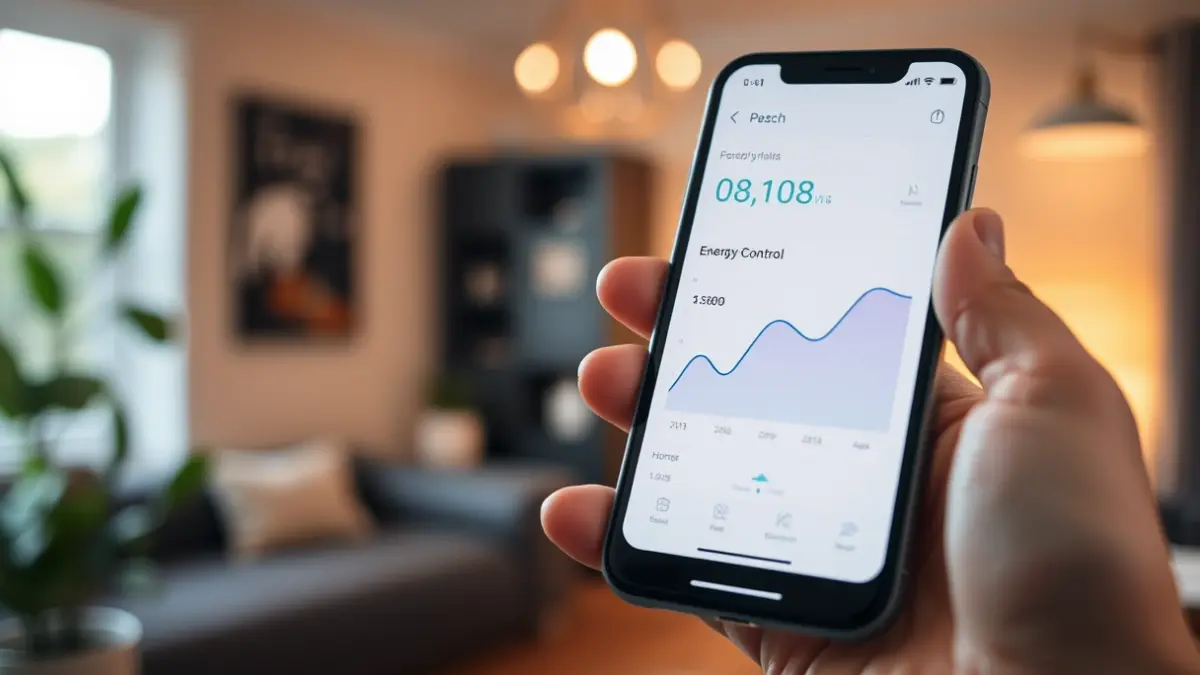
An innovative tool, named Eco, acts as a virtual advisor to simplify reading electricity bills. Instead of complex technical data, Eco visualizes consumption intuitively, aiming not only to reduce spending but to optimize it. Understanding consumption habits is the first step to protecting the household economy, identifying savings opportunities and adjusting bills without sacrificing comfort.
This platform is built on three pillars to help consumers become more aware of their spending: an annual comparison to detect anomalous peaks, a detailed consumption breakdown to take advantage of the cheapest tariff hours, and a personalized economic profile that facilitates informed decisions about appliances or contracted power.
While electricity seeks stability, transportation is suffering a more severe impact. Gasoline prices have exceeded 1.56 euros, and diesel is approaching 2 euros per liter. Faced with this energy shock, considered one of the most significant in history by the International Energy Agency, modifying consumption habits can lead to significant savings. Sales of electrified vehicles increased by 62.5% in March, according to ANFAC data, as electricity prices are less volatile than oil and long-term savings per kilometer are higher. For those opting for this transition, a specific tariff has been created to simplify the switch to electric cars.
The Mobility Plan facilitates the transition to electric vehicles, offering 100% green energy with zero CO2 emissions. It leverages the cheapest hours for vehicle charging, allowing direct savings that can mean driving for as little as 2 euros per 100 kilometers. This competitive approach allows consumers to use their consumption habits to save, avoiding fuel station fluctuations and ensuring green energy at the best price.
At a historical moment marked by geopolitical instability, foresight in energy consumption is crucial to gaining sovereignty over expenses. Companies with strong local roots demonstrate that intelligent, close, and human energy management is the best defense against global conflicts.