The volume of water stored in Catalonia's internal basins registered the largest increase in a single calendar year over the last quarter-century during 2025. The difference between January 1 and December 31, 2025, was 47.65 percentage points, rising from 33% to over 80% capacity.
According to data from the Catalan Water Agency (ACA), only 2018 and 2008 showed such significant contrasts, with the latter also coinciding with the end of a major drought. These figures allowed the internal basins to close the year with the third-best data of the decade.
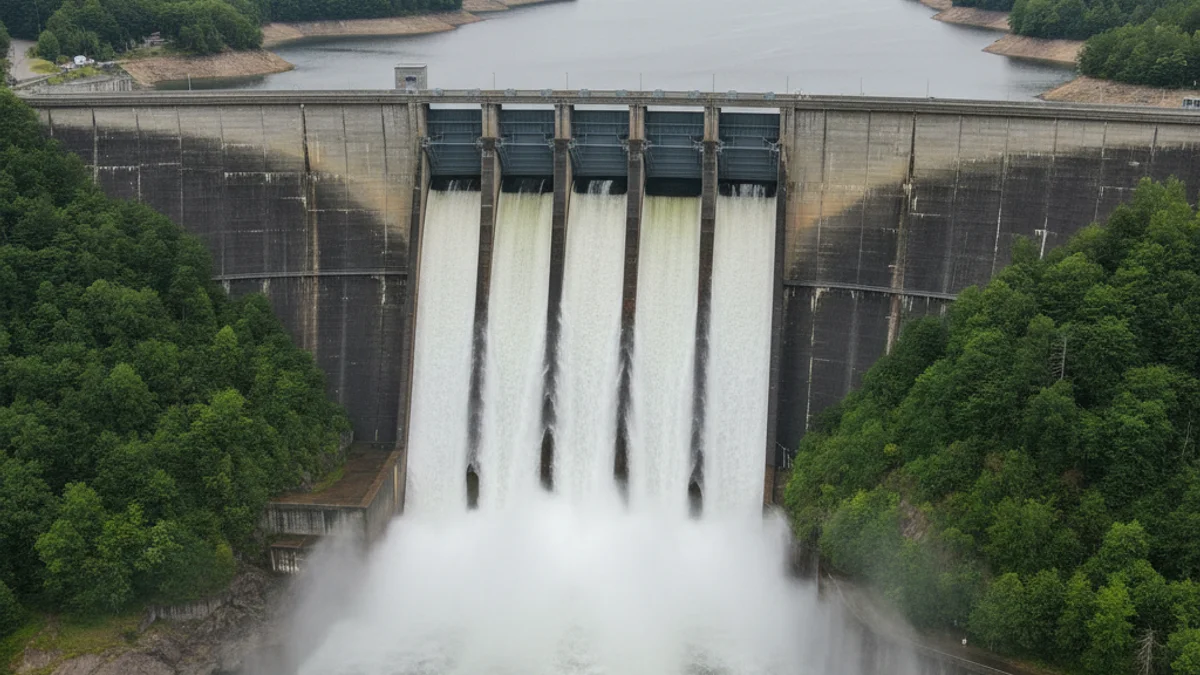
Recent rainfall and snowfall have sustained the growth during the first week of 2026, placing the total above 85%. The increase over the last two weeks is equivalent to more than three months of consumption for all of Catalonia. Key reservoirs like Sau exceed 81% and Susqueda is above 96%, which required activating a controlled water release process.
The contrast is impressive if compared with the minimum reached during the drought: in March 2025, the Darnius-Boadella reservoir contained only 11% of its capacity.
Despite the current abundance, the Generalitat (Catalan Government) is maintaining high performance at desalination plants (El Prat at 70% and Blanes at 50%) to conserve reservoir water as much as possible, anticipating the next drought.