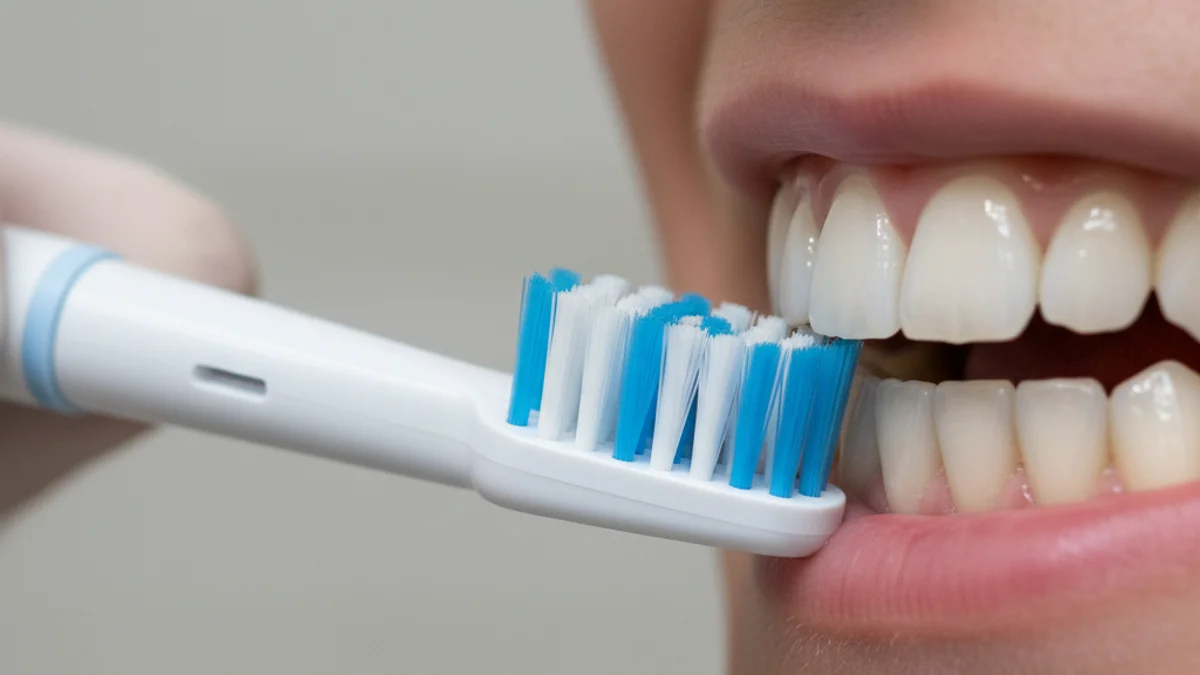
The use of the electric toothbrush has become widespread as a synonym for better oral hygiene. However, Dr. Almudena Herraiz warns that this type of brush can be ineffective or even harmful if not used correctly. The main problem she points out is that many people move it as if it were a manual brush, nullifying its action.
“"The electric toothbrush removes more plaque, but only if used correctly. If you move it up and down, it does not clean."
The key to effective cleaning is to leave the brush head still for a few seconds on each tooth surface, allowing the brush to do the work without excessive pressure or manual movements. Herraiz also stresses the importance of gently brushing the gums to prevent issues like gingivitis, as this is where bacteria accumulate.
Another often forgotten aspect is cleaning the tongue, where many bacteria accumulate. The dentist advises using a manual brush or a specific scraper. Finally, she recommends completing the routine with an alcohol-free mouthwash, as those containing alcohol can be too aggressive on the enamel.