Over the last year, the Maresme region has recorded a significant increase in its foreign population, adding nearly 2,750 new residents. This figure brings the total number of foreign nationals to over 66,000 across the comarca, according to data provided by the Comarcal Council. Despite this growth, the percentage of foreign population in Maresme remains around 14%, a figure lower than the Catalan average.
The distribution of this population is not uniform throughout the region. Localities such as Calella, Mataró, or Malgrat de Mar show percentages higher than the comarcal average, while other municipalities, like Òrrius, register a much lower presence. Regarding nationalities, Moroccan remains the most prevalent, followed by Italian and Chinese, although this composition can vary significantly between different municipalities.
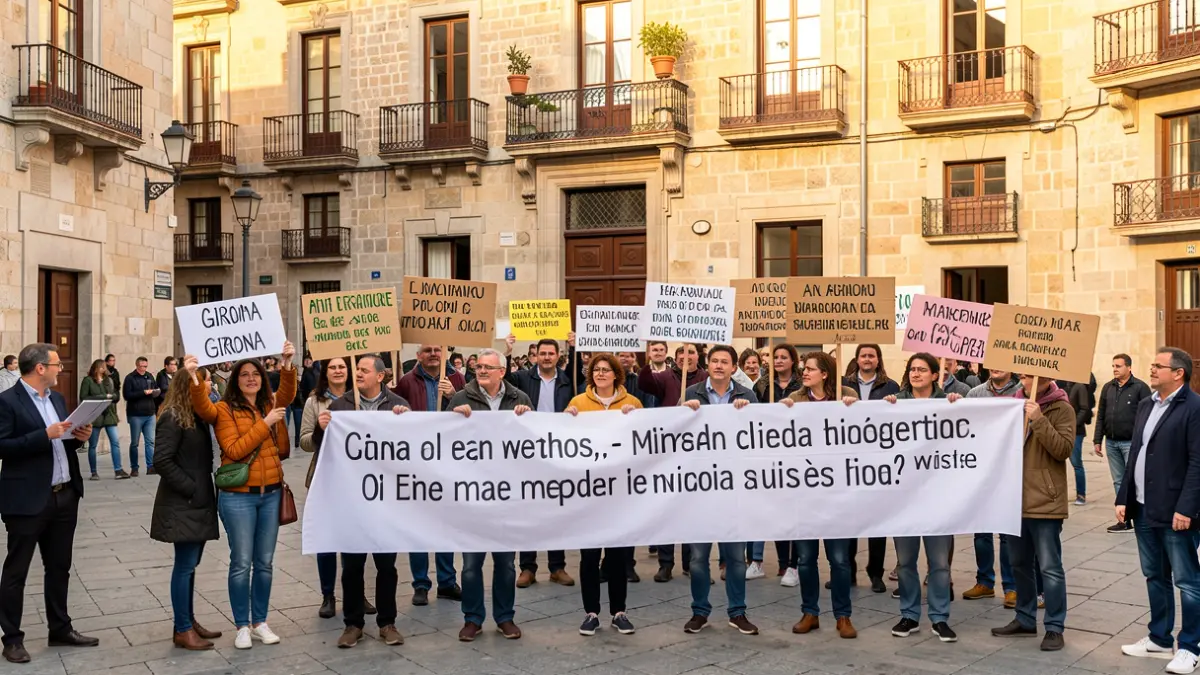
In other news, the political party CUP Malgrat de Mar has expressed its concern about the lack of participation and transparency in decisions affecting the Pla de Grau and the agricultural activity in the area. In a statement, the party emphasized the importance of involving local farmers in defining the future of this space, especially after announcements by the Catalan Water Agency (ACA) at a recent congress in the municipality.
“"The future of this area cannot be decided without involving the farming community."
The CUP has warned about the lack of detailed information regarding the real impact of the planned actions and has requested guarantees for the continuity of agricultural activity. Furthermore, it has called for an urgent meeting between the ACA and the agricultural sector. While acknowledging that the Pla de Grau is a flood-prone area, the party advocates for managing this risk without harming the agricultural fabric and proposes an open dialogue process with the territory.
Concurrently, Lloret de Mar has launched a campaign during the month of May to promote the identification of companion animals, in collaboration with the Consell Comarcal de la Selva. The initiative aims to encourage microchipping and registration of dogs, cats, and ferrets, facilitating their location in case of loss and promoting responsible pet ownership. Interested parties should contact collaborating veterinary centers with the required documentation.
Finally, the Generalitat de Catalunya will launch a pilot program to integrate Mossos d'Esquadra officers into educational centers. These plainclothes officers will have prevention and support roles, aiming to become reference figures for the educational community. The Department of Education justifies the measure due to the increasing complexity of schools and the need to improve student well-being, despite opposition from unions like CGT and USTEC, who warn about potential stigmatization and the need for more educational and social resources.