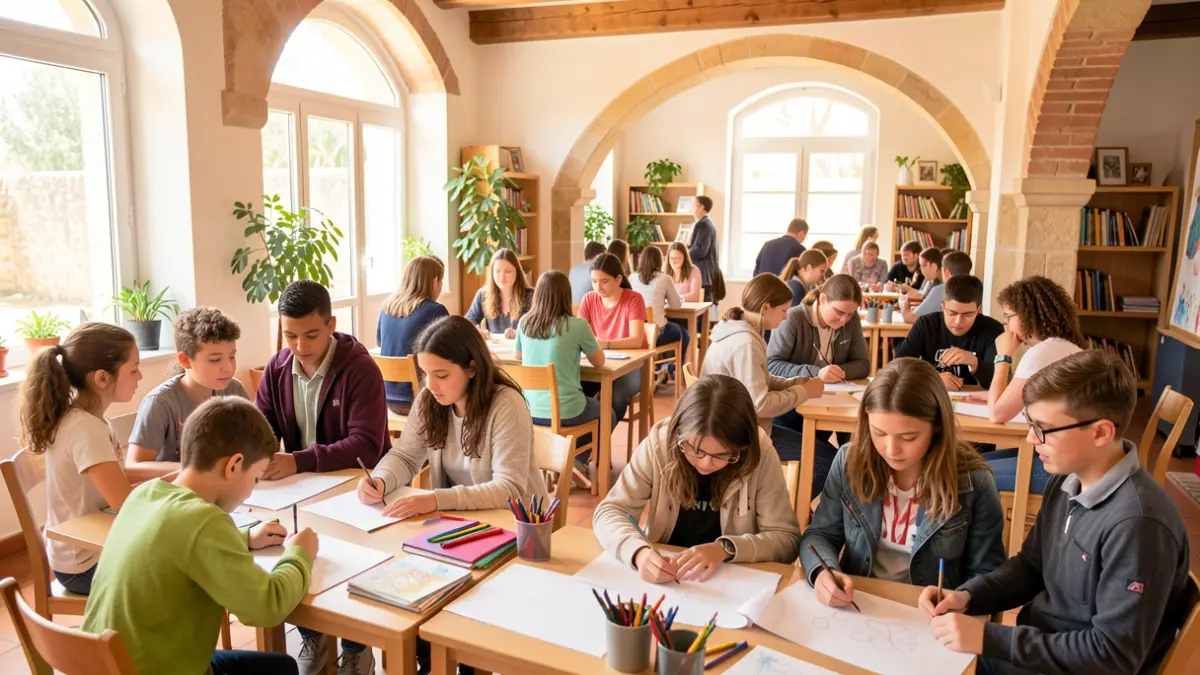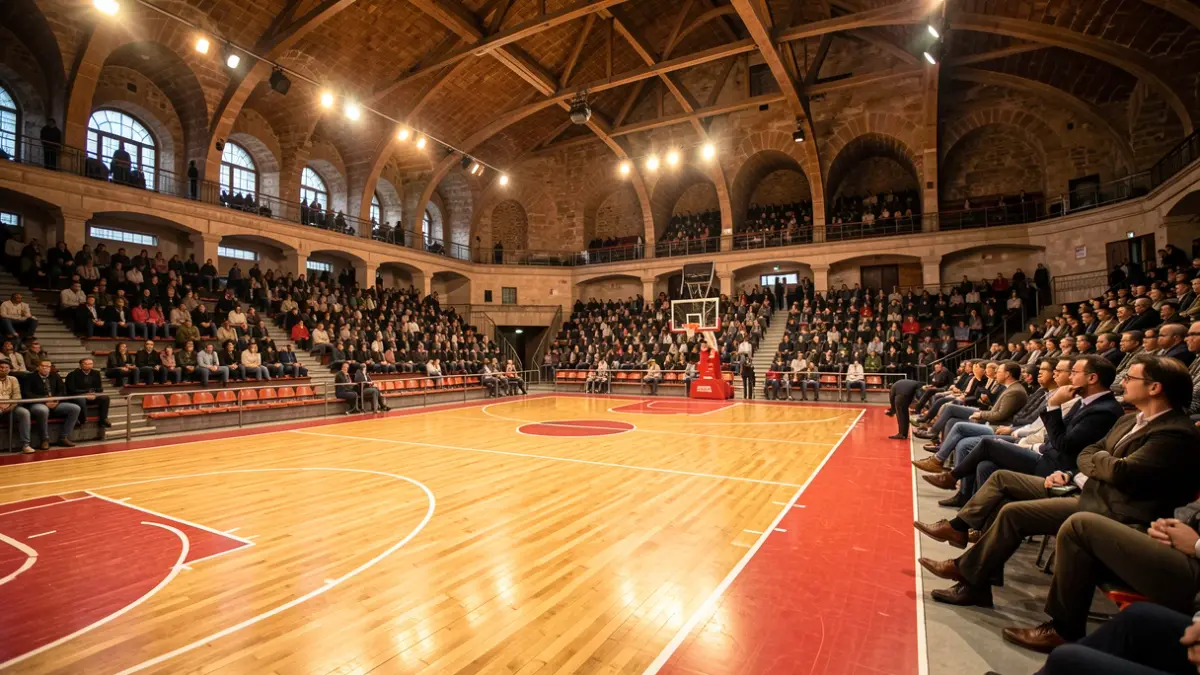
Initial observations at INS Alpicat reveal a diverse reality among students. While some young people regularly participate in sports, many others dedicate their free time to more sedentary activities, such as using mobile devices, consoles, or audiovisual platforms. Despite this, students show a great willingness to participate in physical activities when these are offered in the school environment.
In this regard, the educational community believes that the institute plays a fundamental role in promoting healthy habits. This task is not limited to the Physical Education subject but extends to recreational initiatives in the playground or proposals that encourage movement. The key, according to students, is for activities to be fun and accessible to everyone, thus facilitating participation.
“"If activities are fun and accessible to everyone, it's easier to participate."
A teacher at the institute highlights the importance of evaluating the physical condition of young people at this educational stage, always from an inclusive perspective. Therefore, she advocates prioritizing individual progress, effort, and attitude, incorporating tools such as self-assessment and personalized monitoring. She also warns about the increase in sedentary lifestyles, directly related to the intensive use of screens, which affects students' health and physical condition.
In parallel, the same teacher observes an opposite trend in some young people, who show excessive concern for body aesthetics. Faced with this duality, she insists on the need to promote a balanced view of physical activity, primarily focused on the individual's overall well-being.