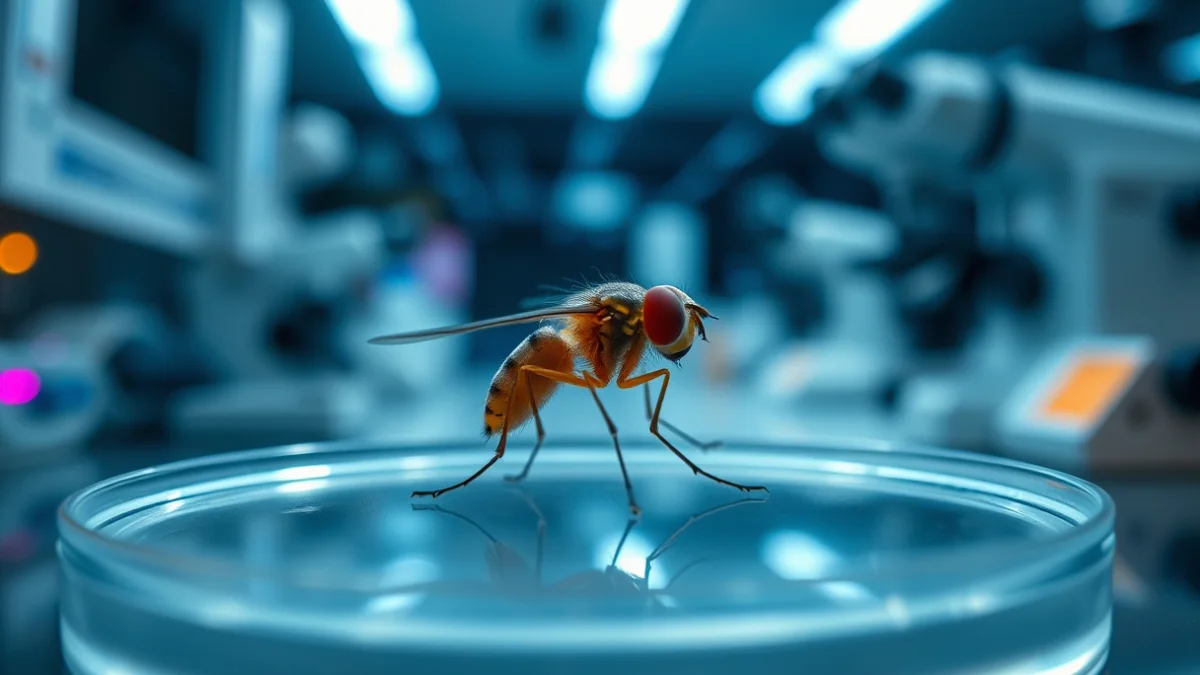
The study, published in the journal Scientific Reports, revealed that an ion channel named Slowpoke is essential for tumor progression. This protein facilitates calcium-dependent signaling, a mechanism that cancer cells use to communicate with neurons and fuel their growth.
“"Analysis indicates that Slowpoke activity is associated with tumors that have a greater connection with surrounding neurons. Therefore, inhibiting it could reduce the tumor's ability to exploit neuronal activity."
The team led by Lía Alza demonstrated that removing this channel in Drosophila melanogaster significantly improves survival rates. This finding is crucial as the channel has a human equivalent known as KCNMA1.