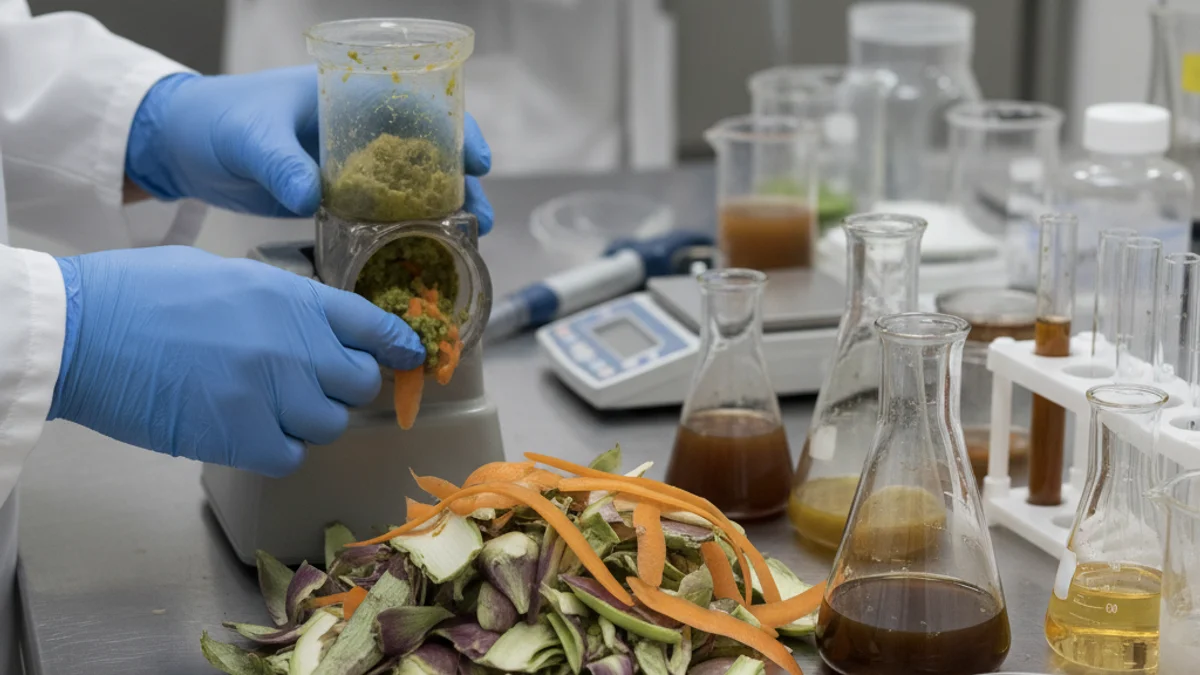
This research, published in the international journal Food Hydrocolloids for Health, is part of the project “Design of functional foods containing active ingredients with potential anti-obesity properties”. The project is led by Medicine professor Gemma Bellí and Agronomy researcher Olga Martín-Belloso.
The study concludes that dietary fiber concentrates derived from artichoke and carrot have high potential as prebiotics. The high fiber content of these residues, obtained from the juice extraction industry (facilitated by Indulleida), improves the intestinal microbiota and increases short-chain fatty acids, which are essential for colon health.
Dietary fiber concentrates derived from artichoke and carrot have high potential as prebiotics because they improve the intestinal microbiota, favoring the dominance of fiber-fermenting bacteria.
The evaluation results, carried out in an in vitro digestion model over 48 hours, indicate that artichoke and carrot fibers stimulate beneficial bacteria such as Lactobacillus and Bifidobacterium. The former generates more butyric acid, which is fundamental as an energy source for colon cells and for the integrity of the epithelial barrier, with anti-inflammatory effects.
Furthermore, fermentations of cucumber, red pepper, and carrot achieved higher acetic acid levels, which plays a regulatory role in satiety, weight, and antimicrobial activity. The Lleida team, which also included Isabel Odriozola-Serrano and Gemma Oms-Olius, is already planning future in vivo studies to confirm these benefits.