The Solsonès Regional Council will launch three projects to tackle unwanted loneliness among the elderly, a social problem affecting residents who live alone as well as those who live with family members or in residences. These measures stem from a study based on a regional survey that provided an accurate snapshot of the situation.
The first line of action is the creation of a volunteer program for older people, conceived with a dual purpose: for healthy individuals to share their knowledge and experience, and for those with greater dependency to receive support. The Regional Council aims to expand this volunteering beyond the social sphere to interests such as culture, history, or the environment.
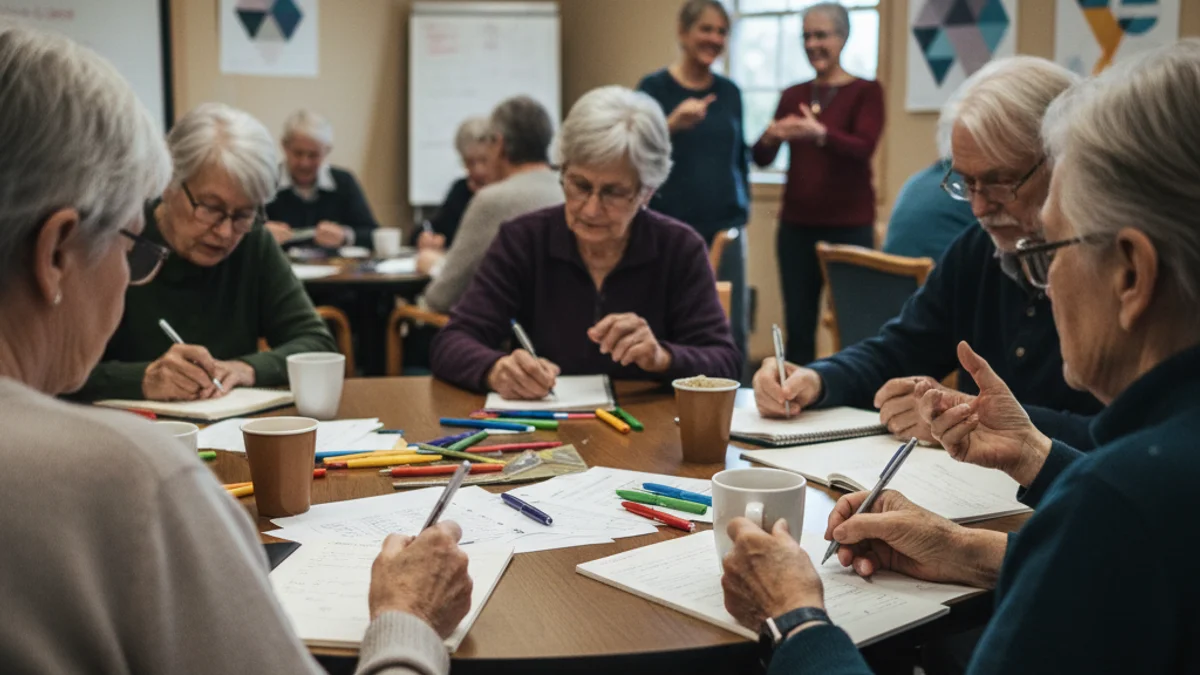
The second line is the Personal Aging Plan, a set of workshops designed to help older people plan their future in areas such as leisure, housing, economy, health, and legal matters like wills. These workshops will allow participants to review their time distribution and decide how to invest it in social activities or community participation.
The third measure consists of reactivating and expanding the campaign for detecting mistreatment through local businesses, incorporating the identification of loneliness. Establishments in Solsonès will act as "social radars," communicating any detected changes in behavior or signs of vulnerability to social services.
The study, aimed at those over 60 years old, reveals that men report feeling lonelier than women. One of the most affected age groups is 60 to 64 years, marked by vital changes such as the loss of a partner or children leaving home. Living with family does not prevent loneliness, and 45% of respondents show a moderate level of loneliness.