The Ca n'Ametller project, spanning 85 hectares, envisions the creation of extensive green infrastructures, new public transport connections with an interchange between Rodalies and FGC, and the construction of new facilities and services. According to the municipal timeline, the first buildings could be ready from 2030.
This initial approval is based on the work carried out in the advance modification, which already received broad consensus in the municipal plenary in 2022. The new neighborhood's configuration will allocate 55% of the surface to green areas and facilities, 31.5% to housing, and 13.5% to economic activity.
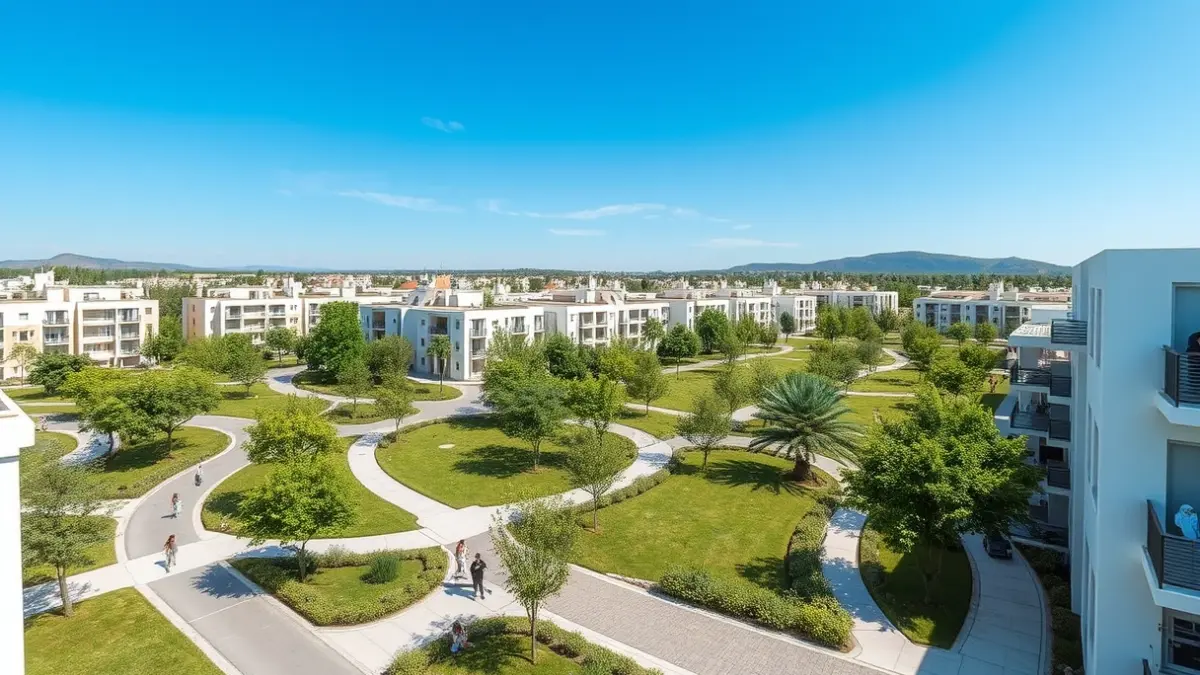
The urbanization process for Ca n'Ametller is expected to conclude around 2050. The neighborhood's design will be based on the eco-island concept, featuring buildings of controlled heights and a central green space free of vehicular traffic, prioritizing pedestrian and cycling routes.
A green infrastructure will structure the neighborhood, with three main axes: a new green avenue over the Renfe R8 railway line, the continuation of Parc Central and Parc del Turó de Can Mates, and the extension of the Guinardera stream. These axes will converge in a Green Agora, where the future public transport interchange will be located near the Hospital General de Catalunya.
The project also promotes a self-sufficient neighborhood model, ensuring all basic services are accessible within a 15-minute walk, with a mix of residential, commercial, and economic uses. Furthermore, sustainable energy and water management will be encouraged, and a large area of land will be reserved for public facilities.