The main objective of the new regulation is to adapt local rules to state and European directives, seeking to reduce accidents and reinforce the protection of the most vulnerable groups, especially pedestrians. The Councilor for Security and Civil Protection, Anjo Valentí, stressed that the ordinance establishes regulatory guarantees adjusted to the specific characteristics of Manresa “to prevent uncivil behavior and accidents”.
“"This is the happiest we have been with the government. It is a simple ordinance that addresses a real problem for the people."
The approval occurred with the favorable votes of the municipal government, Junts, and Nacionalista, while Fem Manresa voted against and Vox abstained. Roser Alegre, from Fem Manresa, criticized the inclusion of bicycles, arguing that “No work is being done to support bicycles; we have very few bike lanes and cars have carte blanche on public roads”.
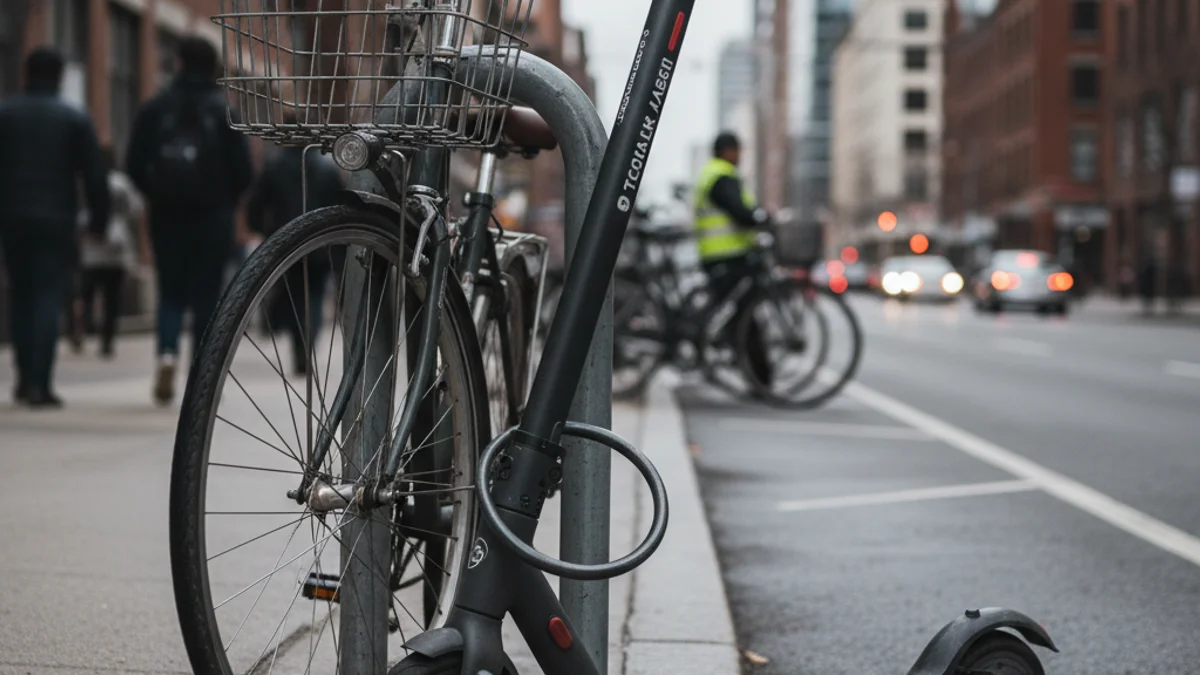
Among the main novelties, the text defines the minimum technical requirements for vehicles, such as approved lights and braking systems, and establishes the mandatory use of helmets for PMV users and the use of a reflective vest. Furthermore, circulation on sidewalks and pedestrian islands is prohibited, and parking is regulated to prevent abandonment or impact on public domain.
The sanctioning regime provides for fines ranging between 100 and 1,000 euros, depending on the severity of the infraction, including repeated alcohol consumption. Once initially approved, the ruling opens a 30-day public exposure period for citizens to submit allegations.