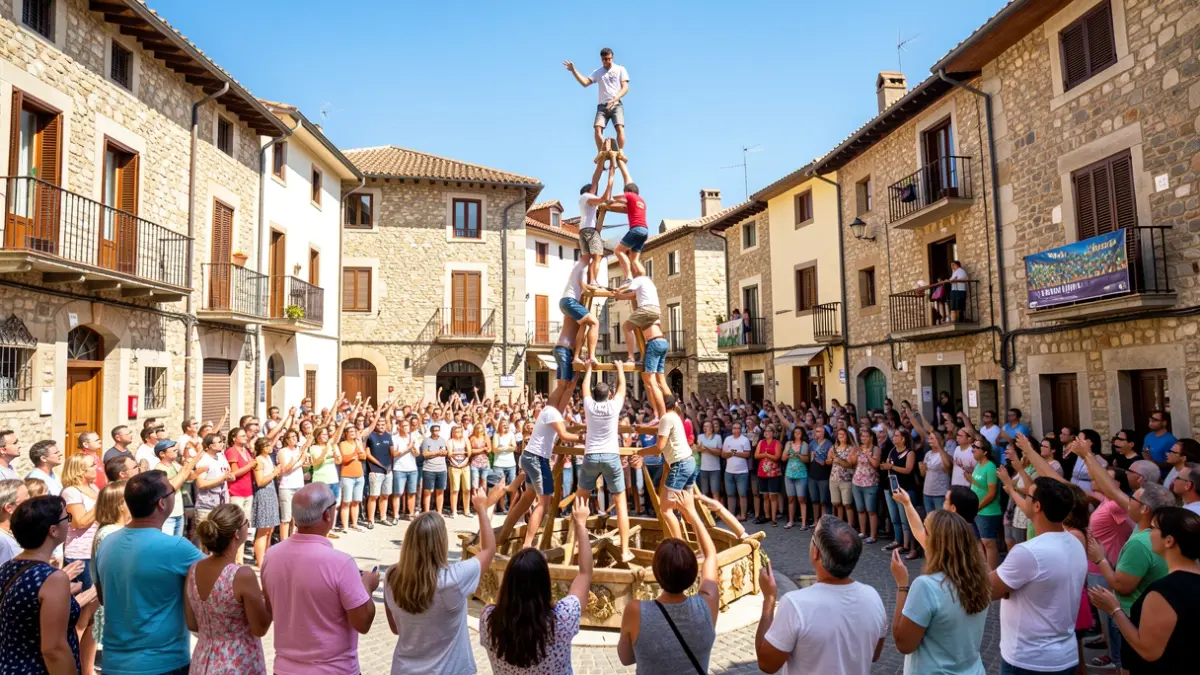
Trained in the 1970s within the Col·lectiu Jove, Herrera developed an austere and rigorous style. His work, deeply rooted in street photography, focused on the human element. He became a vital witness to the Spanish Transition to democracy, capturing key moments of labor strikes and national demonstrations in Barcelona.
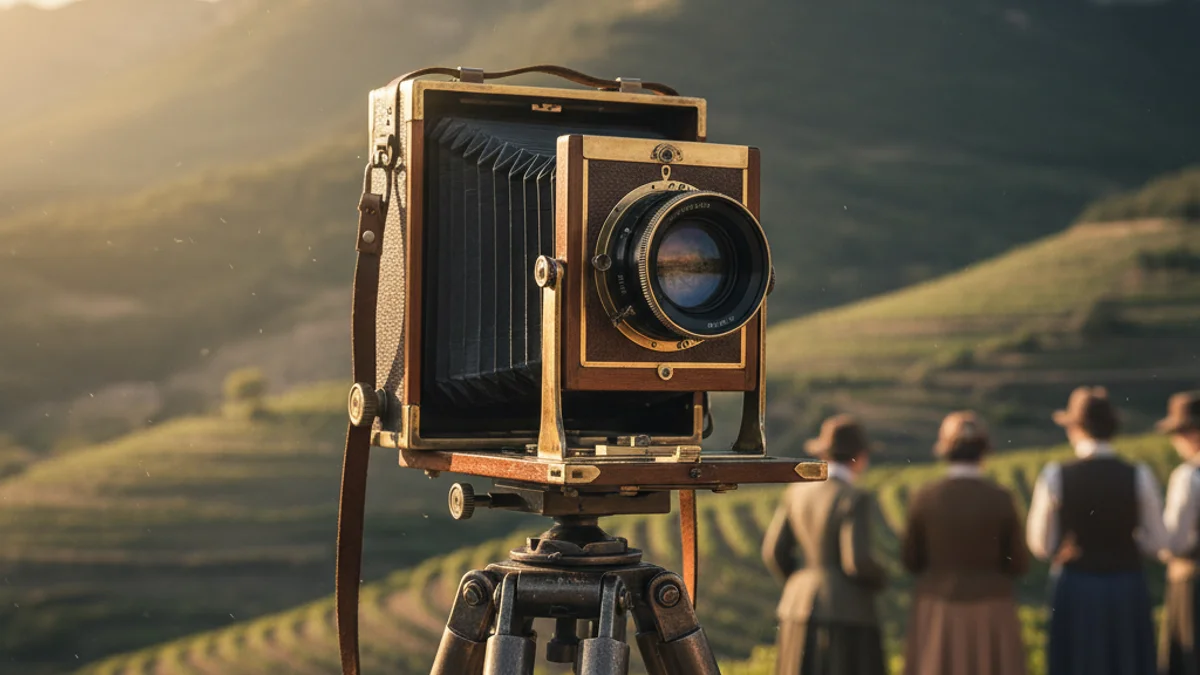
During his career, he received over a hundred national awards, including the Gaudí Medal. His passion for nature led him to document landscapes such as Montsant and the Ebro Delta, often employing large-format cameras and infrared techniques in specialized publications like Viatge per l'obra de Gaudí.
“"The line of his work, austere and rigorous in character, provided him with a great legacy in the form of an extensive photographic archive on popular traditions."
His work reached international audiences in France, Italy, and Syria. In his later years, Herrera focused on historical processes like wet plate collodion, showcasing his research at the Revela't festival and the Salvador Vilaseca Museum in Reus.