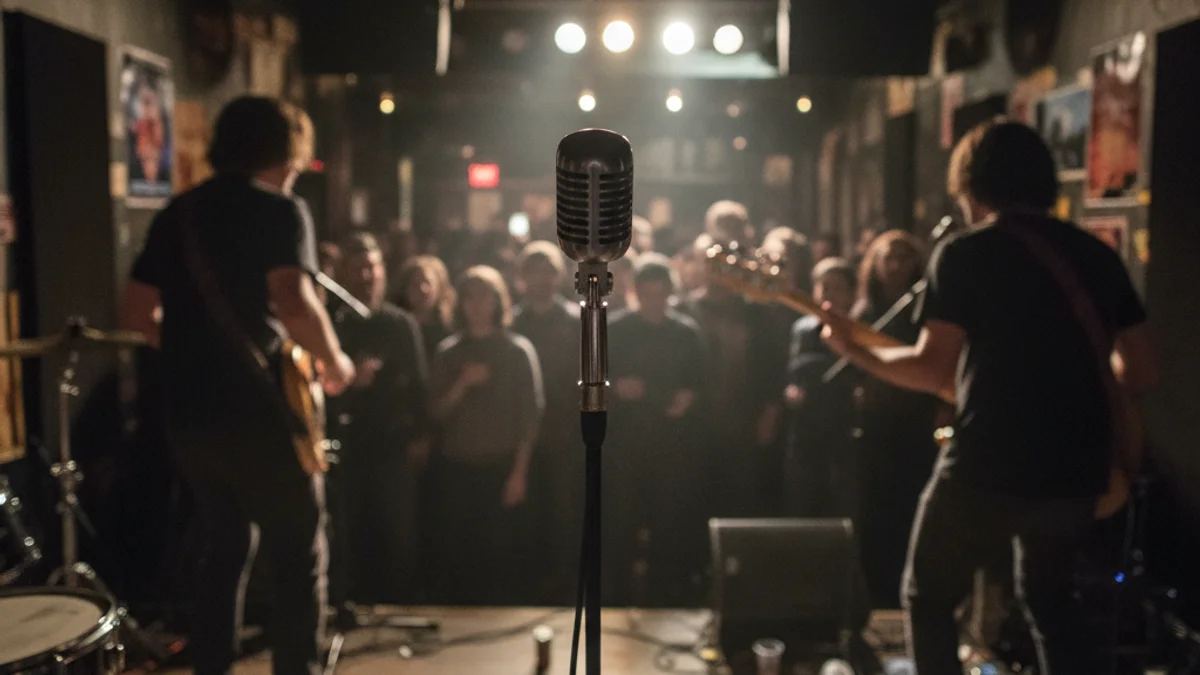
The Winter-Spring 2026 program will begin with a performance by former Txarango singer, Sergi Carbonell, on February 1 at La Tronada. Following this, on February 6, the Lo Submarino venue will host a hip-hop night featuring artists Ari Guada, Santa Salut, and Sofía Gabanna. Another highlight will be the concert by Santiago Motorizado on February 17, also at Lo Submarino, as he is only making two stops in Catalonia.
“"It is a diverse, quite emerging program, with more than 50% being girls."
The cycle will continue in March with performances by Gara Durán, Maio, and Carla Collado, and the concert by Laaza on March 15 at the Granja Roca Soldevila. On March 20, Maestro Espada will perform at the Teatre Bartrina in a concert co-programmed with the Festival Accents. The season will close on April 24 at Lo Submarino with Torazinas and Coca d'anxova.
A major novelty is the celebration of the ninth and final edition of the Pollo Fest on April 11, which will feature five artists and several DJs. Furthermore, the organizing entity, Anima't, has joined the Cultura Jove platform, allowing young people aged 18 to 30 to access discounted tickets.
The Councilor for Culture of the Reus City Council, Daniel Recasens, emphasized that the RCC is a "consolidated" commitment to the city's cultural offerings. Meanwhile, the President of the Tarragona Provincial Council, Noemí Llauradó, described the cycle as "strategic" for positioning the Baix Camp as a territory that generates culture.