This Monday marked the beginning of the flooding phase for rice fields in the Ebro Delta, a process expected to last until mid-May. Heavy winter rains have ensured "optimal" water reserves and quality for cultivation, according to the irrigators. Nevertheless, campaign planning has been influenced by storm Oriana, which affected the area in February.
The dry sowing technique, used to combat the apple snail plague, will be maintained across 30% of the surface, similar to last year. However, many rice farmers will opt for pre-irrigation to ensure soil moisture and prevent delays in plant growth, a practice that has shown good results in previous campaigns.
“"Regardless of the economic costs for the community, Oriana made us lose time, which is very limited in the Delta, because when the water is released, the capacity to work is greatly restricted."
The irrigators of the Ebro Delta have their usual water allocations, with 19 and 27 cubic meters per second, respectively, to flood the 21,000 hectares of rice paddies. In the left hemidelta, water has already begun to enter the 12,691 hectares of irrigable land, covering municipalities such as Tivenys, Bítem, Tortosa, Campredó, l'Aldea, Camarles, Deltebre, and l'Ampolla, all within the Baix Ebre region.
The Right Ebro community has also opened its main canal in the Illa de Riu area, and will continue flooding Illa de Buda on Wednesday, concluding on May 4 in the areas of Roquetes, Delta, Prats, Sant Jaume, la Ràpita, and Poble Nou.
Although the 2023 campaign was "catastrophic" due to water cuts, irrigators remain concerned about soil salinity and rising temperatures, which can reduce production by 10% to 15%, especially during August heatwaves. Storm Oriana caused severe saltwater flooding in the rice fields, necessitating an emergency operation to "cleanse" affected crops with fresh water.
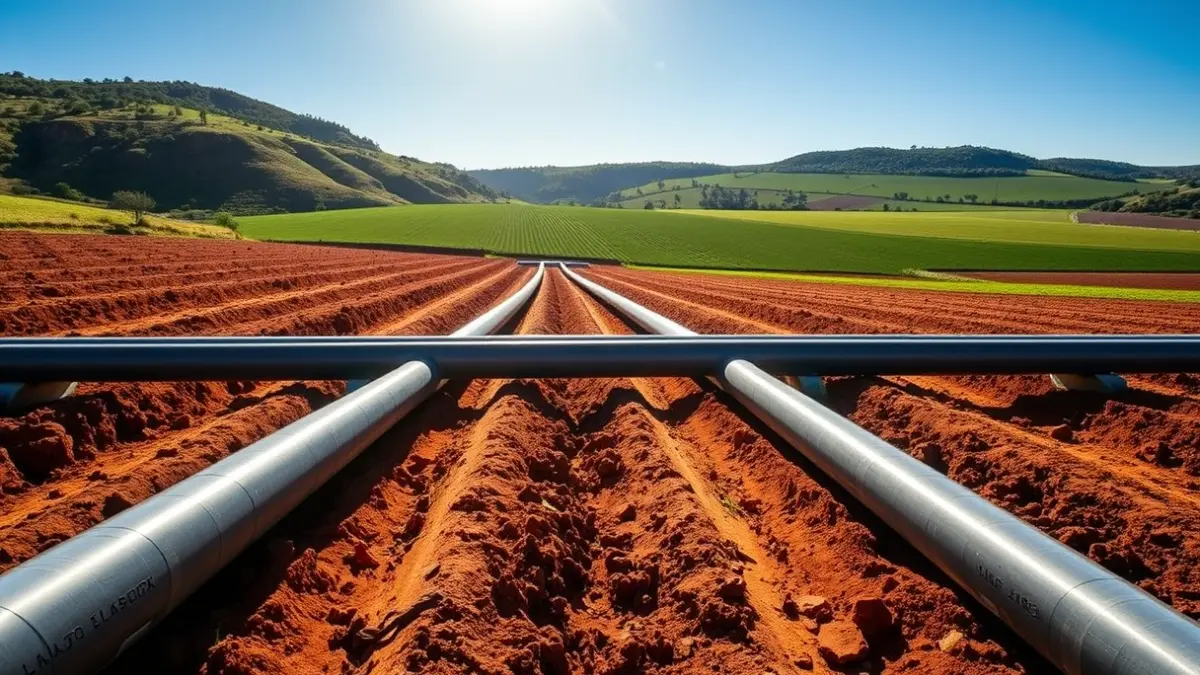
In addition to the costs incurred by the storm, irrigators warn about increasing production prices, such as diesel and fertilizers, which could impact crop profitability. The Left Ebro Irrigation Community has continued automating and piping canals to improve water management and control pests like the apple snail, with an additional 7 kilometers of pipes installed this year.