The agreement, ratified in the ordinary plenary session on April 20, emphasizes the need to ensure the proper functioning and adequate maintenance of these infrastructures. The motion is addressed to the Catalan Water Agency (ACA) and the Costa Brava Water Consortium, also requesting a plan to improve water regeneration and utilization.
One of the central points of the motion is the situation of the Vall-llobrega Wastewater Treatment Plant (EDAR), the most important plant in the region due to the population it serves. This facility is currently out of service due to severe damage caused by Storm Harry at the end of January, which caused the Aubí stream to overflow and completely flood its installations.
Currently, the Vall-llobrega plant only performs basic treatments, removing solids and applying minimal biological control before the water reaches the sea. This situation forces coastal municipalities such as Palamós and Sant Joan, Palafrugell, Calonge and Sant Antoni, and Mont-ras to carry out specific controls on the quality of seawater in bathing areas. Repairs are not expected to be completed until well into the summer.
The Vall-llobrega EDAR serves a design population of 166,000 people, including Vall-llobrega, Palamós, Sant Joan, Calonge, Sant Antoni, Mont-ras, Palafrugell, Calella, Tamariu, and Llafranc. Therefore, the plenary urges the Costa Brava Water Consortium to act with the utmost urgency to restore the service.
The motion also suggests studying a new location for this treatment plant, as the current facility, dating from 1985, needs expansion and is located in a flood-prone area. The regional groups consider it essential to rethink the future of this key infrastructure for the sanitation of a significant part of the Baix Empordà coastline.
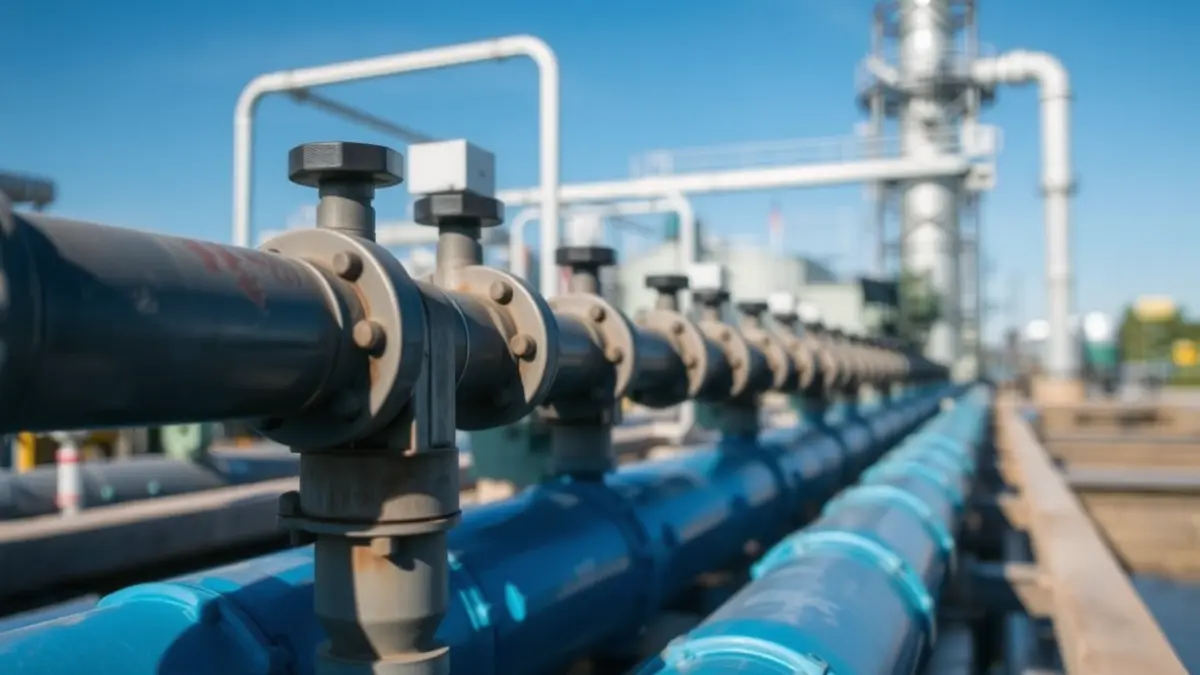
There are 13 wastewater treatment plants in the region, although one of them, in l'Escala, serves l'Estartit from the Alt Empordà. The motion emphasizes the importance of these facilities for protecting the environment, public health, and water quality, especially in a region with strong tourist and environmental pressure like the Baix Empordà.
The approved text also warns about the low percentage of regenerated water. According to official data from the Generalitat for 2023, only 10% of the treated flow is regenerated for tertiary uses such as agricultural irrigation or golf courses. 30% is mixed with river water, and the remaining 60% ends up in the sea.
Given climate change and the potential insufficiency of water resources, the Comarcal Council argues that water reuse must be a structural commitment. Discharging 60% of treated water directly into the sea and then capturing it with desalination plants is considered a constant loss of energy and resources.