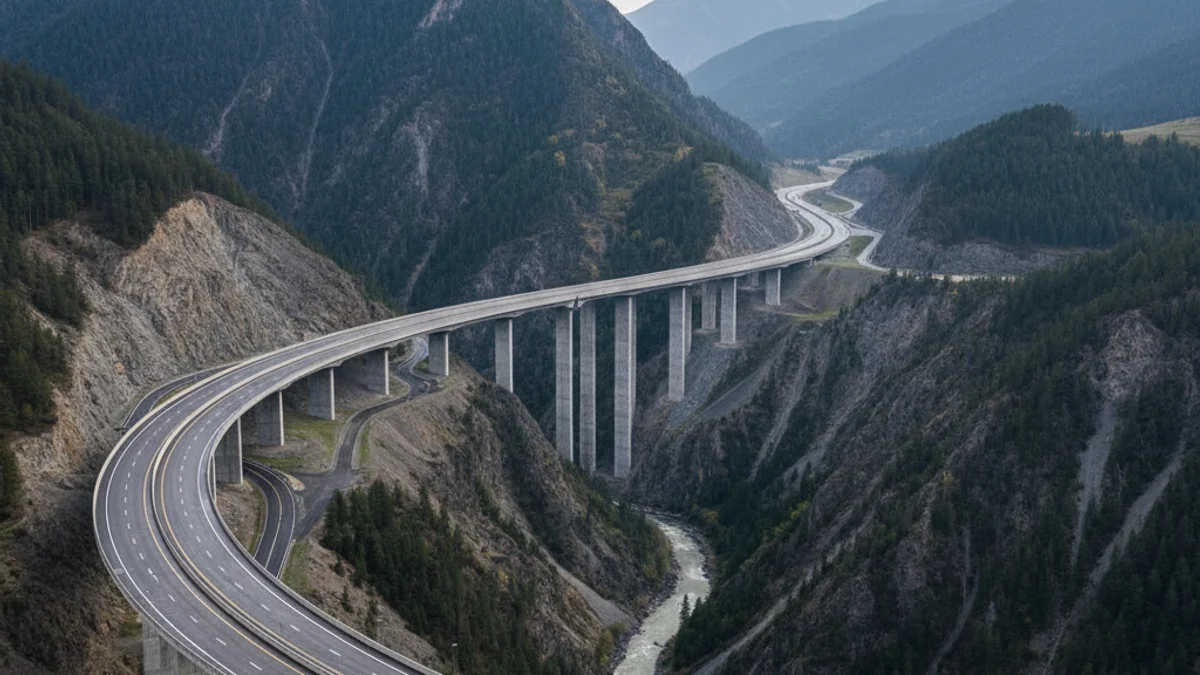
Municipal representatives from Collbató, El Bruc, and Esparreguera held a meeting with the State Road Authority in Catalonia to address the status of the preliminary draft for the adaptation of the A-2 highway. This project, which was previously submitted for public consultation in 2011, had generated strong public opposition, especially in Collbató and El Bruc, due to the significant territorial and landscape impact of the initial proposed route.
During the meeting, held at the Authority's headquarters, proposed changes were detailed, and two specific alternatives were presented for the highway's route through Collbató: the construction of a false tunnel or a variant. Mayor Gemma Rodríguez requested a detailed technical report from the State to inform the public and committed to submitting these two options to a popular vote.
The three municipalities agreed on the need for the preliminary draft to include consensual solutions that minimize environmental and landscape impact.
In addition to the route alternatives, the possibility of creating a heavy vehicle park-and-ride facility was confirmed. This infrastructure would be located between Esparreguera and Collbató and is intended for use during winter emergencies, such as intense snowfalls affecting the El Bruc section.
The city councils emphasized the importance of considering not only the environmental impact but also the social, economic, and mobility needs of the affected communities. The consistories will continue collaborating with the state administration through established dialogue channels to defend the interests of the territory.