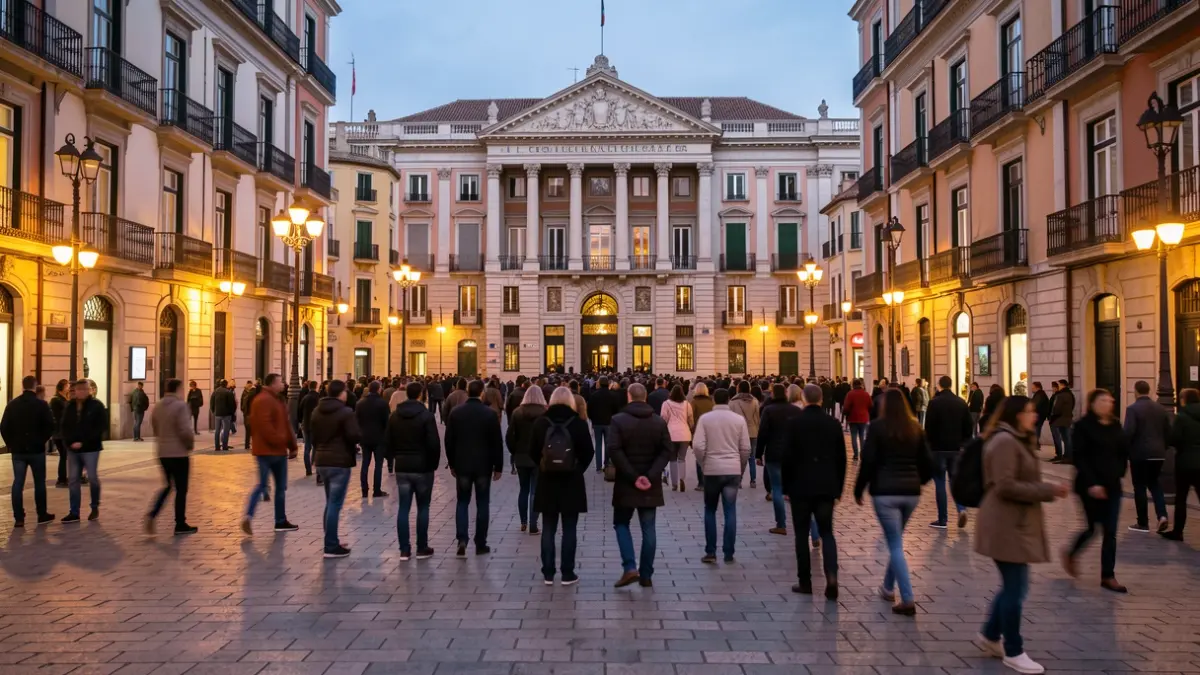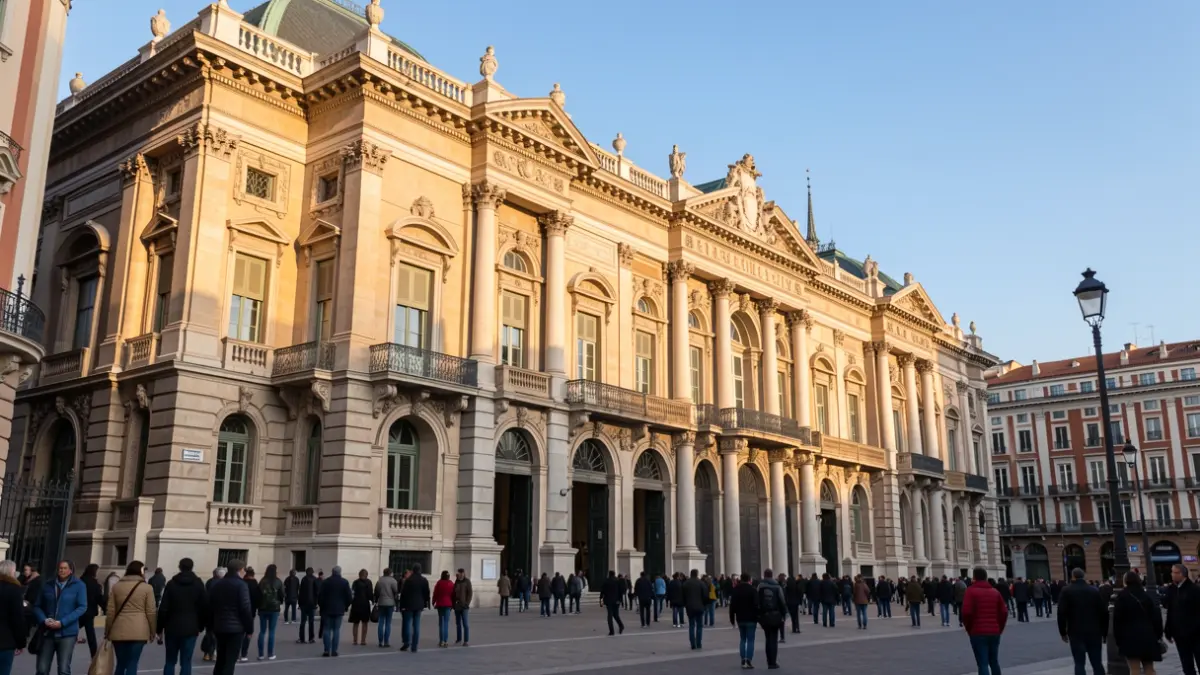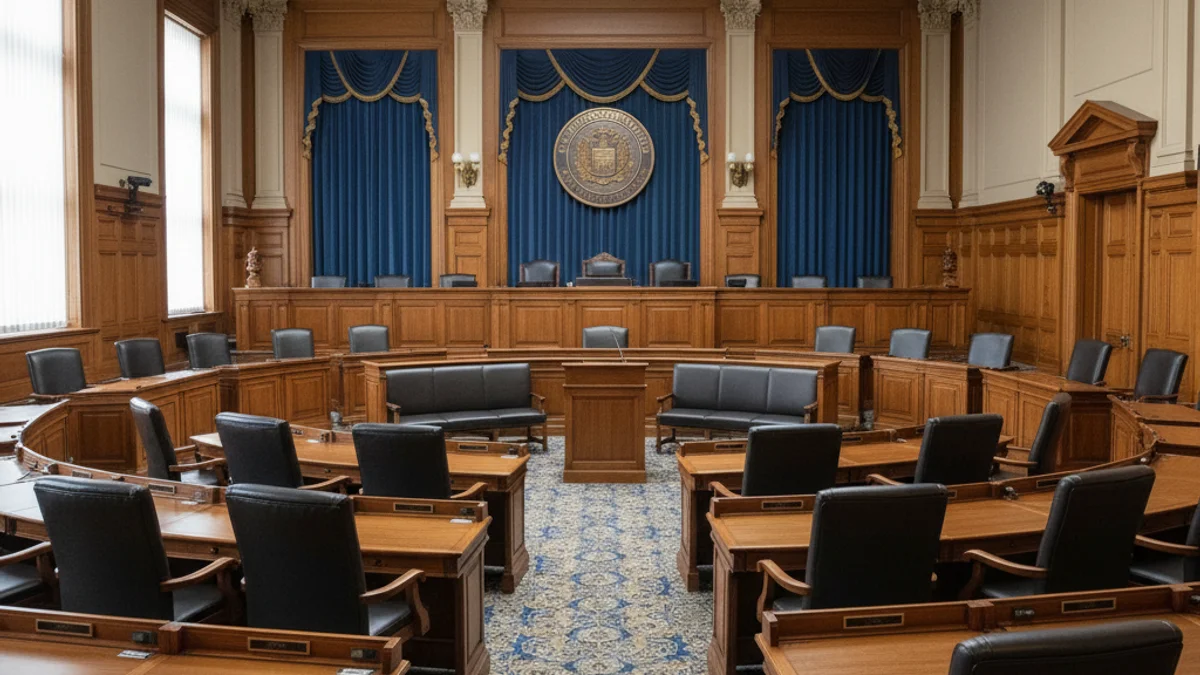
The approval materialized with favorable votes from the PSC, ERC, and BComú, while Junts, PP, and Vox voted against. This text, resulting from an agreement sealed last November, includes an increase in the Property Tax (IBI) for large hotels and leisure venues, rising from 1.17% to 1.30%.
The most notable measure for the tourism sector is the annual one-euro increase in the municipal tourist surcharge, an increase that will be applied starting April 1, 2026, and will continue until it reaches eight euros in 2029. The new ordinances, however, foresee freezing taxes and fees for families and SMEs.
“"They will allow us to maintain stable taxation for citizens and reinforce the municipal capacity to finance public policies."
The agreement with the Comuns also involved accepting a request regarding the rehabilitation of 6,000 homes in Besòs. Councillor Serra recalled that BComú's favorable vote depended on this point, announcing that the pilot plan will be recovered and presented in the coming weeks, also involving the Generalitat.
In the same plenary session, a proposition by the PP municipal group, supported by Junts and Vox, was rejected. This proposition urged the council to halt the suppression of tourist apartment licenses planned by the socialist government starting in 2028. The popular leader, Daniel Sirera, criticized the lack of data to support the measure's impact, claiming that these decisions jeopardize the hosting of the Mobile World Congress beyond 2030.