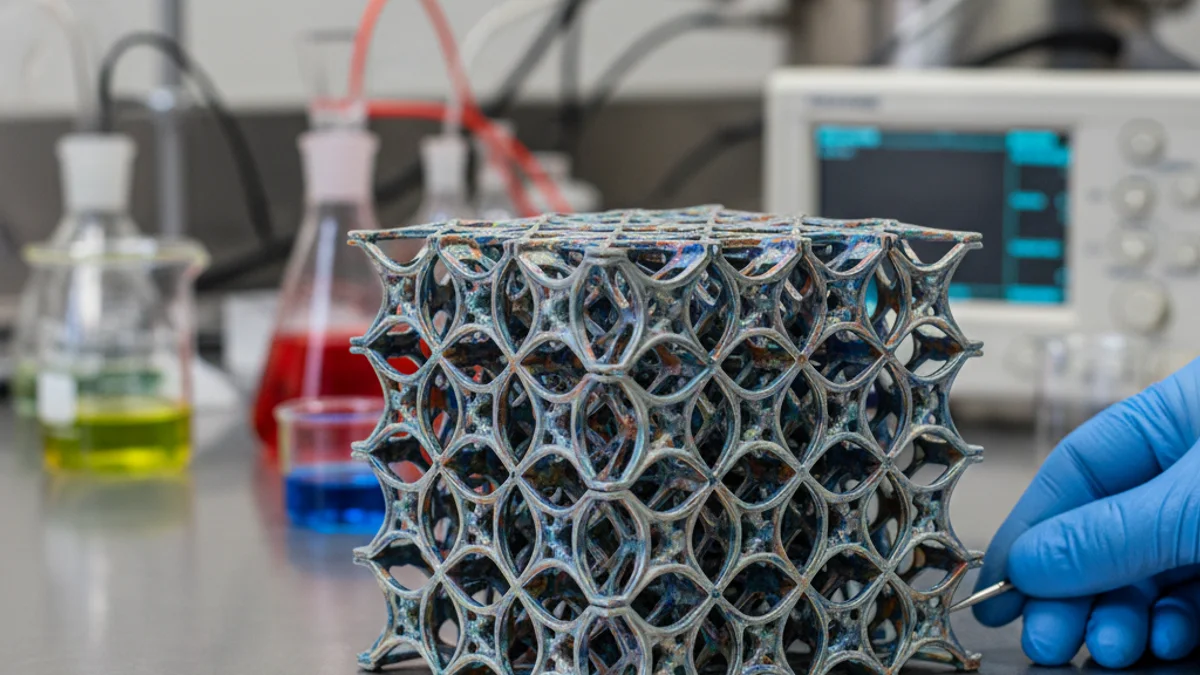
This breakthrough, considered globally unprecedented, involves the pre-industrial manufacturing of ceramic devices that function as cells. These plates can transform water (H2O) into hydrogen and oxygen, or perform the reverse process to generate electricity without polluting emissions.
Although hydrogen cell technology already exists, the use of ceramic materials and 3D printing is the key innovation. According to IREC, this method allows the devices to be smaller and lighter while maintaining the same power, making them ideal for renewable energy transport and storage.
“"It is essential to decarbonize our energy scenario because the consequences are here and we see them daily."
Marc Torrell, senior researcher at IREC and head of the laboratory, argues that renewable hydrogen is a crucial tool against climate change. This technology allows for the storage of larger amounts of energy for longer periods, offering a solution for sectors requiring clean fuels.