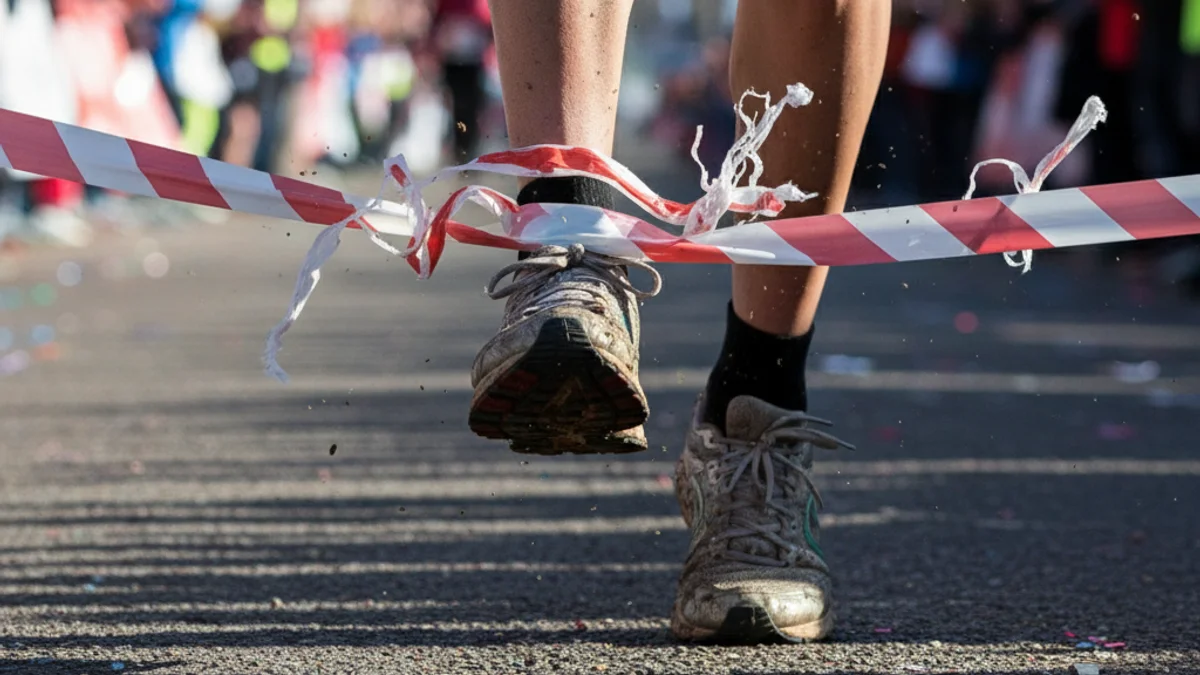
Nutrition is a determining factor in athletic performance, especially in long-distance races like the 21.097 km of the Barcelona Half Marathon. According to expert Clàudia Tomeo, the main goal is not to follow a restrictive diet, but to adapt nutrition to the body's needs and training volume.
“"The energy demand is high; eating properly allows you to arrive with energy, suffer less during the race, and recover better afterward."
Carbohydrates are the main fuel for runners and should be a regular base in the diet throughout the preparation phase. Foods like rice, pasta, potato, sweet potato, oats, or bread must be considered the foundation of the meal to guarantee the necessary energy for the competition.
Regarding recovery and injury prevention, protein is essential for muscle repair and adaptation to training. It is crucial to distribute its intake throughout the day, obtaining it from animal sources (fish, eggs, white meat) or vegetable sources (legumes, tofu, nuts).
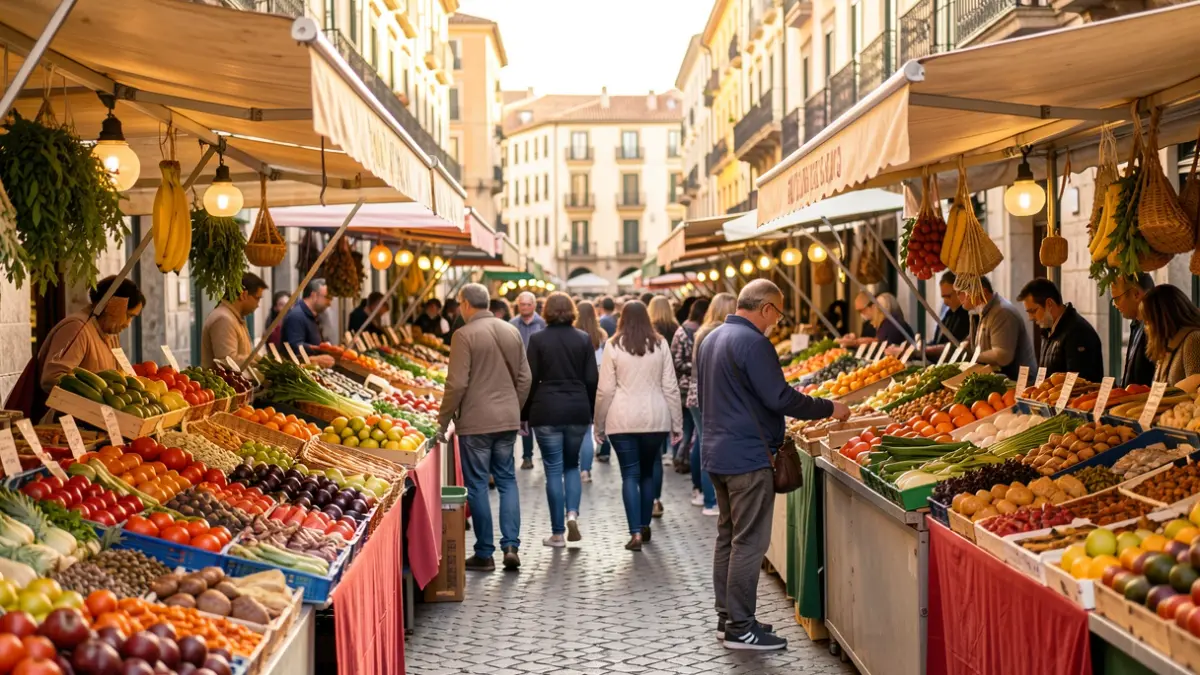
Finally, antioxidants help reduce the oxidative stress (physiological inflammation) generated by high-intensity training, improving recovery and rest. They are found in fruits (red berries, citrus), vegetables (green leafy, broccoli), and spices (turmeric, ginger), and should be combined with healthy fats like olive oil or avocado.