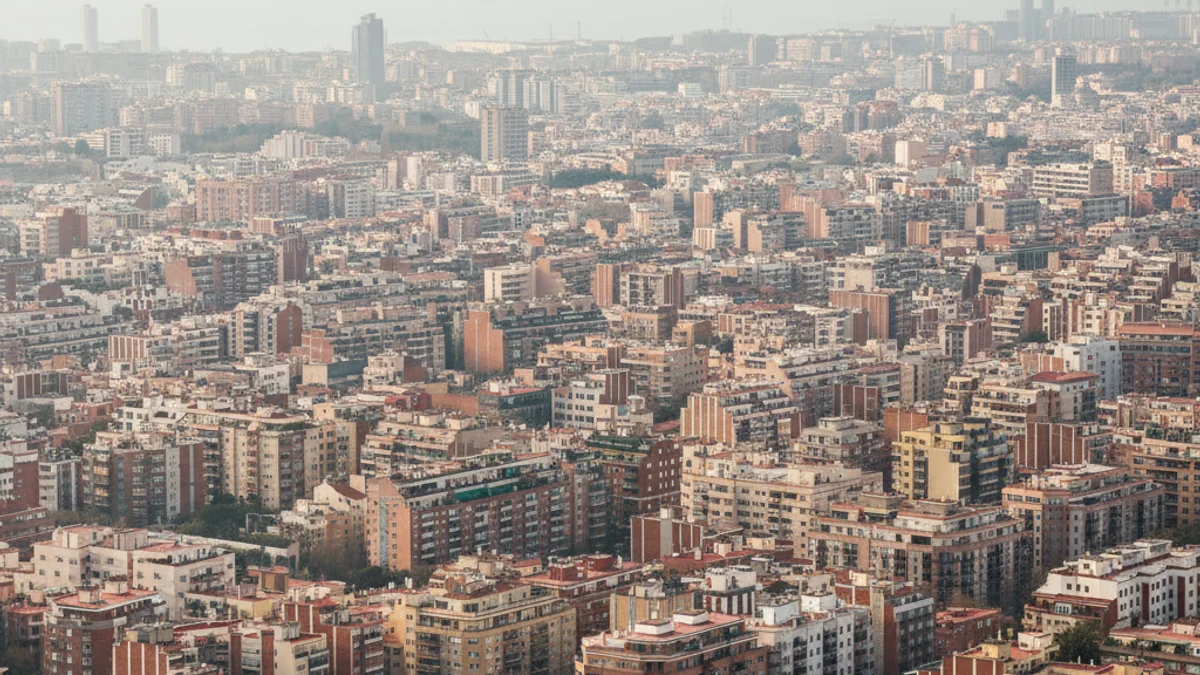
This decision has triggered a call for 'demetropolitanization'. Currently, 10% of the territory hosts over 60% of the population, with 5 million people living in high-density areas. Experts warn that these plans could add up to 800.000 more residents in the coming years.
The debate focuses on whether this growth serves social needs or real estate interests. Critics argue that expanding into the Vallès, Maresme, and Garraf regions creates an unbalanced country, turning Catalonia into a hyper-condensed urban sprawl similar to a provincial city without its own spirit.
The alternative vision advocates for a more balanced territory, where cities like Badalona or L'Hospitalet are transformed into dignified living spaces rather than just labor hubs, ensuring a prosperous future for the entire region.