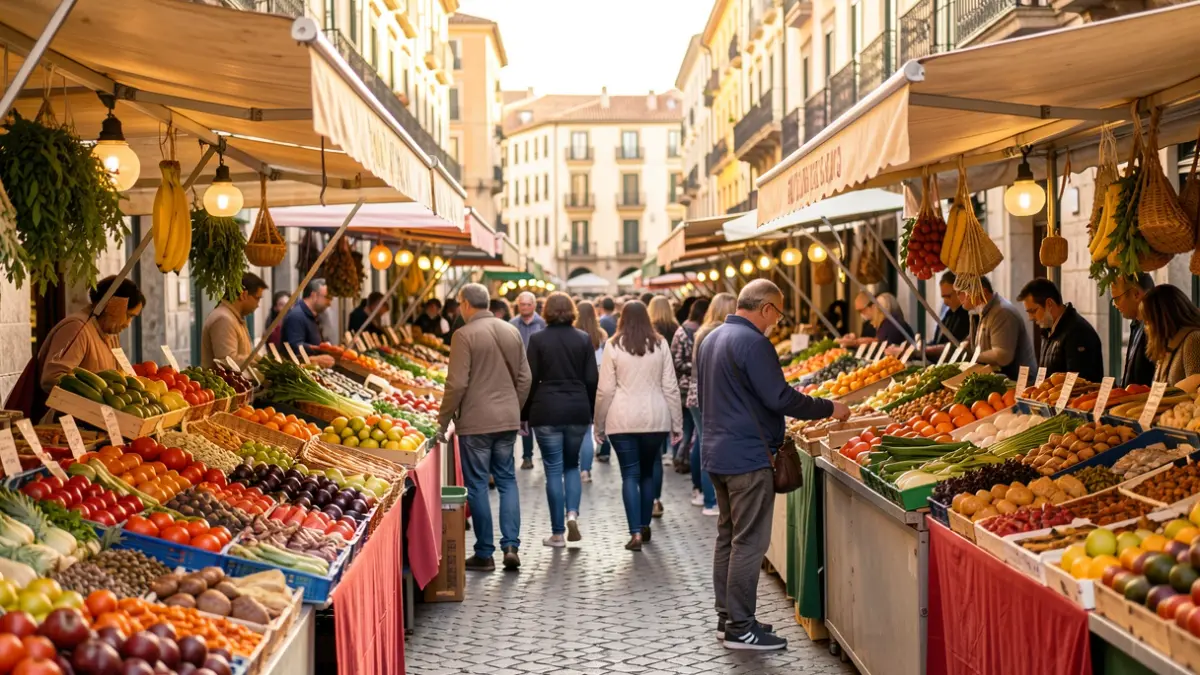
Catalan gastronomy stands out for its richness, variety, and respect for local and seasonal produce. Dishes like pa amb tomàquet, escudella, or canelons are part of Catalonia's cultural identity, closely linked to the calendar and popular celebrations.
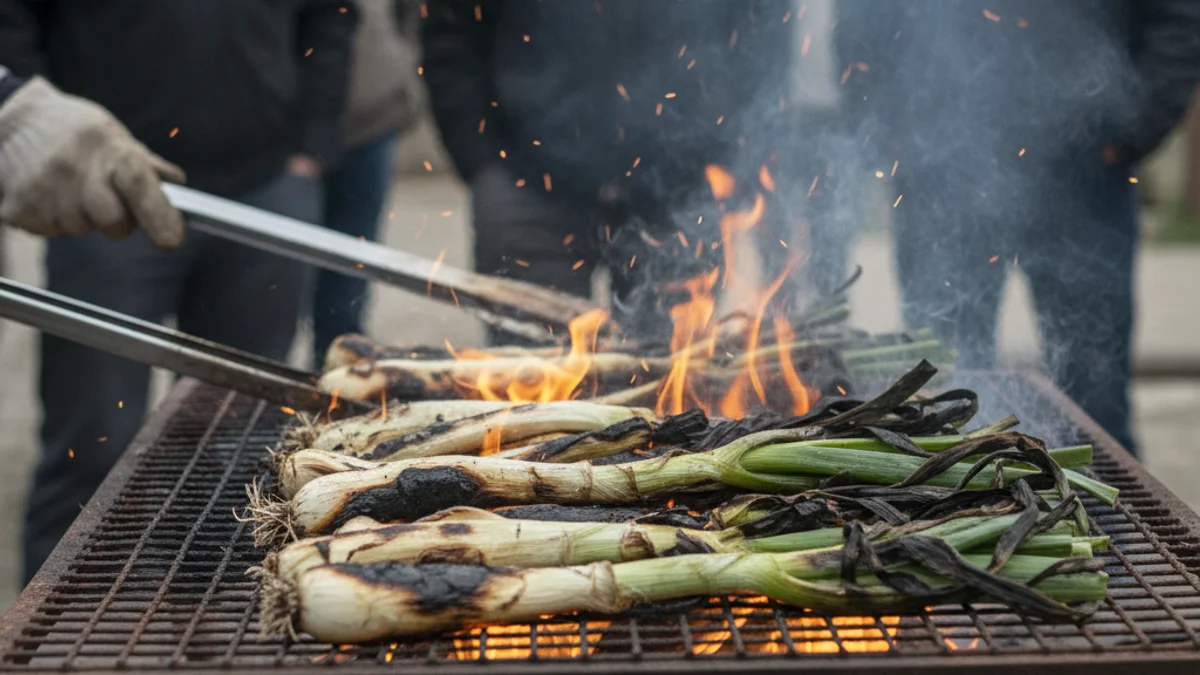
The calçot season runs from November to April, with January, February, and March being the months of highest consumption. The origin of this tradition dates back to Valls, in the Alt Camp, where a farmer named Xat de Benaiges found two grilled onions in his garden.
Benaiges decided to throw the onions back onto the fire to salvage them, but the excessive flame charred them on the outside. Upon peeling away the burnt part, he discovered that the inside remained tender and had a sweet, mellow flavor, completely different from raw onion.
This discovery led Benaiges to refine the cultivation, piling earth at the base of the stem (a process called “calçar”) to lengthen the onion, giving rise to the name calçot. Before becoming a popular tradition, it was the food of the most humble families during winter.
In the mid-20th century, the Penya artística l’Olla de Valls popularized the custom by organizing large banquets. Since 2001, the calçots from Valls have held the Protected Geographical Indication (PGI) seal, guaranteeing their quality and origin.