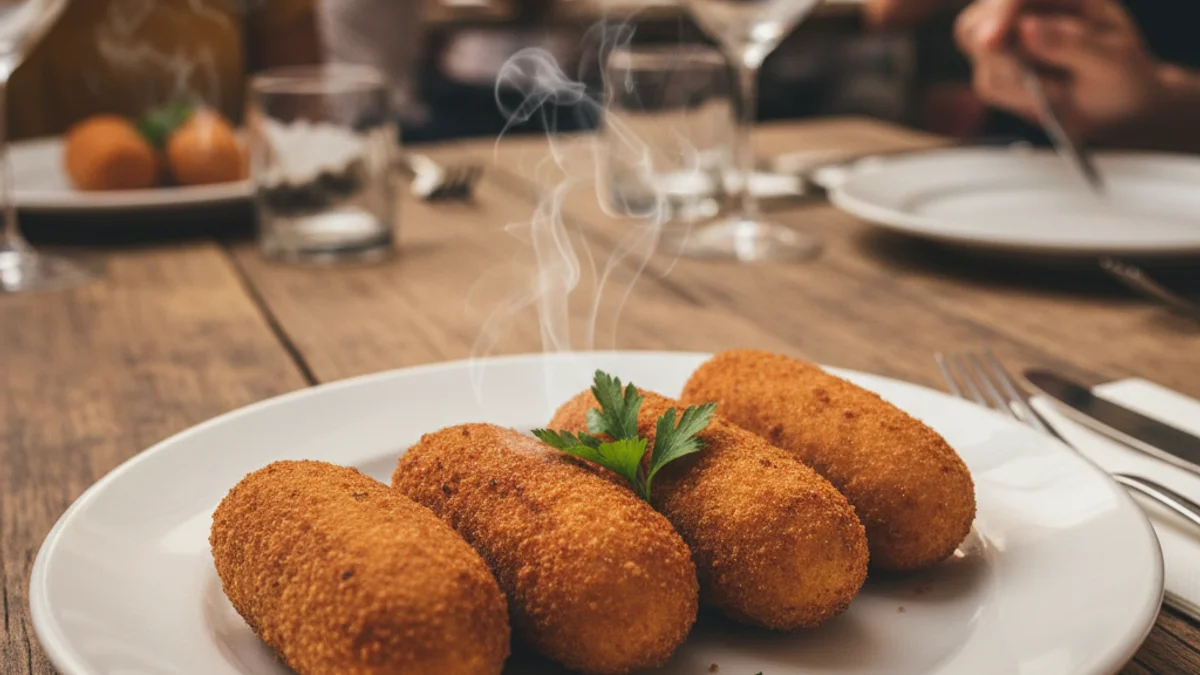
The common scenario of four friends sharing five croquettes has led to the theory that restaurants use odd numbers to encourage extra orders. While menu engineering is a real practice used to guide consumer behavior, academic literature does not clearly support the idea that prime numbers are a standard rule for increasing spending.
Research published in PMC suggests that the preference for odd numbers might be more about visual appeal than financial gain. In gastronomy, odd-numbered arrangements are often perceived as more beautiful and balanced, which could explain why a chef might choose to serve three or five items instead of four.
While psychological pricing and other well-documented techniques are frequently used by the industry, the 'odd-portion' dilemma may simply be a result of kitchen standards or plating aesthetics. Nevertheless, the social pressure of an uneven plate often results in that final, extra order.