The recent crises involving African Swine Fever in Catalonia and Avian Flu across much of Spain have highlighted the critical importance of preserving animal and ecosystem health, as imbalances can directly affect human health and the economy.
Verónica Araunabeña Cobo, president of the Council of Veterinary Colleges of Catalonia (CCVC), states that sector professionals are often excluded from public health management teams and crisis committees, despite their essential role.
“"We are never included in decision-making spaces when, truly, we are an essential actor. Our role in protecting the health of people, animals, and the environment is fundamental."
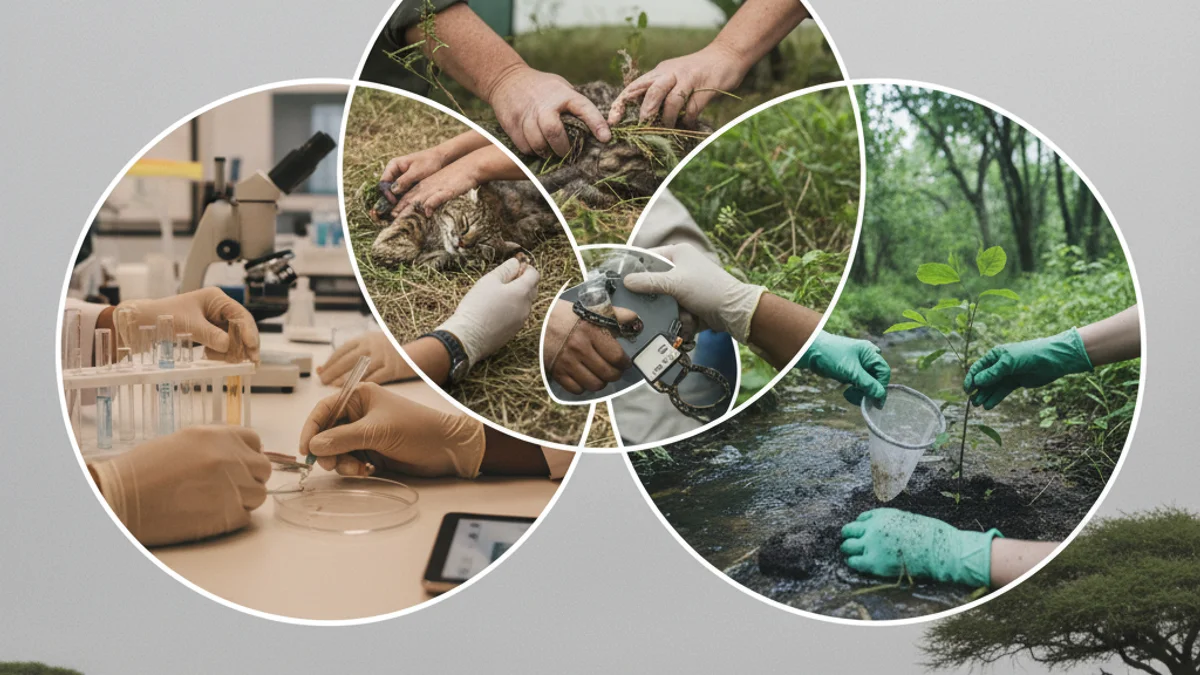
The profession argues that veterinary expertise should be stably and institutionally integrated into all public health planning and governing bodies. This active participation is crucial for implementing the One Health approach, which links human, animal, and environmental health.
The Collegiate Veterinary Organization (OCV) notes that over 60% of emerging infectious diseases originate in animals, and 75% of new pathogens come from domestic or wild species. This situation necessitates strengthening rural veterinary services and the role of the farm veterinarian.