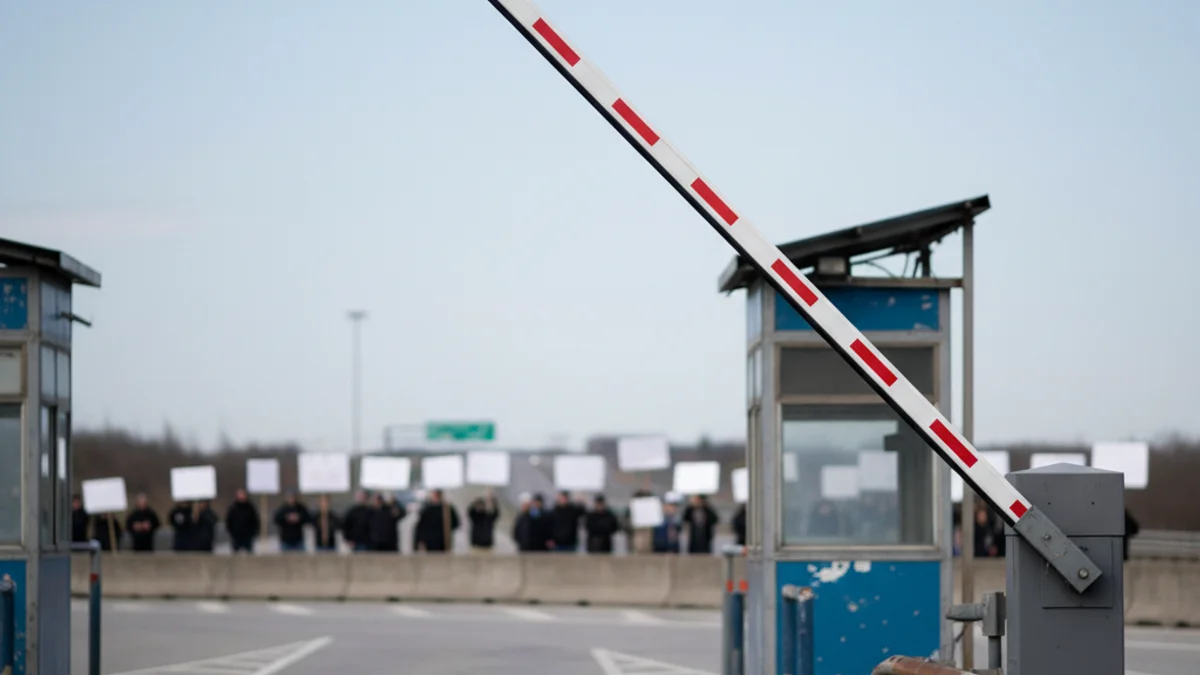
The announcement of the imminent end of the C-32 toll, scheduled for August 31, 2021, was celebrated by activists. However, controversy persisted regarding the expansion of the same road between Tordera and Lloret de Mar, a project that the mayor of Blanes criticized for the Territory Department's “great haste.”
Aturem la C-32 considered it “outrageous” that the Territory Department revived the highway expansion project, despite the protests that reached the department.
The region solidified its position as the Barcelona area with the greatest loss of resident employed population, a fact exacerbated by the pandemic. Trade unions CCOO and UGT complained that the Maresme Regional Council was not including them in economic reactivation plans.
Fear of new outbreaks, such as the one detected in Segrià, led to the cancellation of reservations in coastal hotels. Simultaneously, a possible Covid-19 outbreak was detected within Maresme itself during July.
In terms of security, the summer was active with several police operations. Criminal groups specializing in luxury home burglaries were dismantled in both Maresme and Gironès, and raids were carried out against drug trafficking networks distributing marijuana to Central European countries.