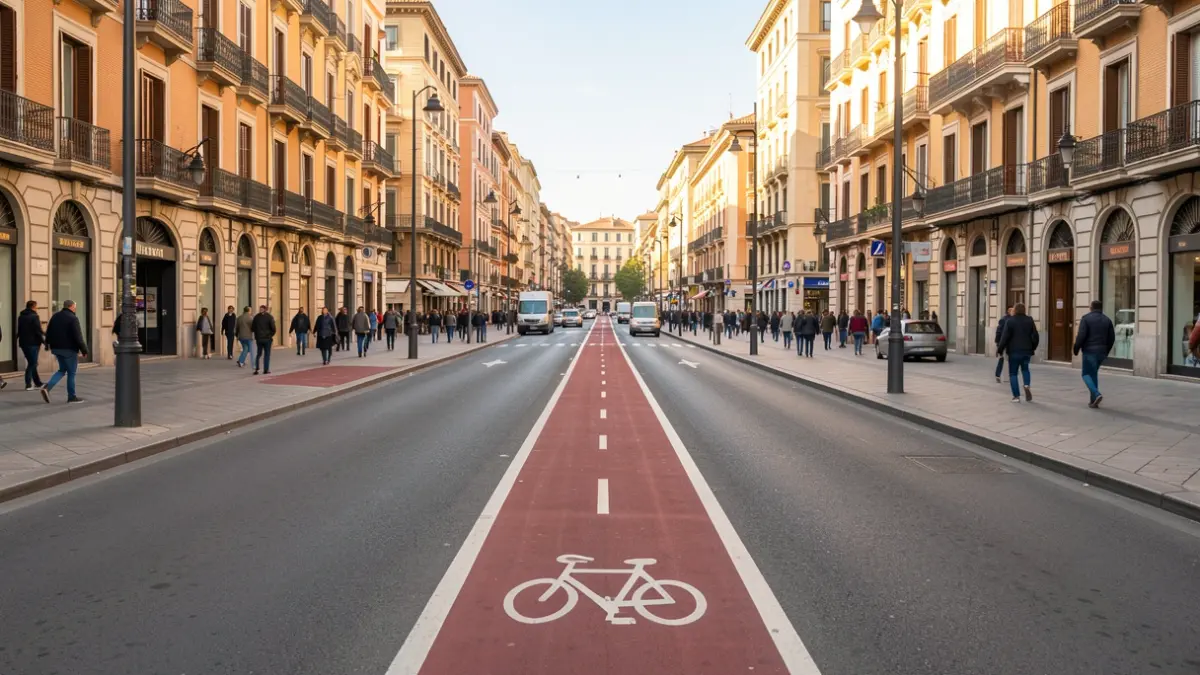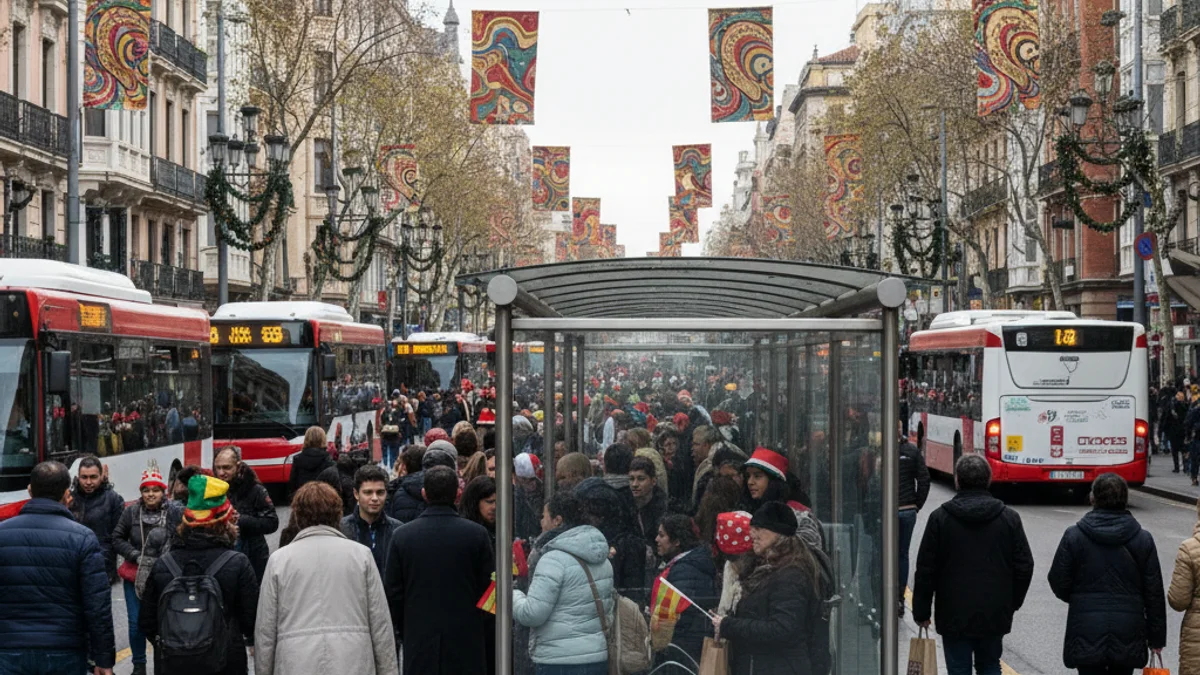
The possibility of Mataró having an interurban bus station generates a strong political debate. The PSC, leading the municipal government, defends the current model of dispersed stops for better neighborhood accessibility and to avoid conflict areas, unlike similar cities such as Granollers. Conversely, Junts per Mataró and ERC advocate for centralization to organize services and reduce traffic and pollution impact, citing complaints from residents of Torrent street.
“"Mataró needs an interurban bus station, well connected with urban bus lines, the railway station, and taxi service, to promote intermodality."
Given the conflicting positions, the council commissioned the study from Doymo. Experts reject a single centralized station, arguing it would leave a significant part of the city without territorial coverage. In the short term, the report advocates for creating small stations or reinforced stops on main avenues and near the Rodalies station, a model already adopted in modernizing cities like Pamplona or A Coruña.
In the long term, however, the study opens the door to a more ambitious vision: promoting a central bus station combined with the Rodalies station. One of the most suitable locations suggested for this central station is Parc Central, where a semi-underground infrastructure is proposed to minimize visual and urban impact, although this would require significant economic investment and urban planning changes.