The approval was achieved by a qualified majority following a meeting of ambassadors in Brussel s. Italy's alignment with Spain and Germany proved decisive, overcoming the strong opposition from France, Poland, Hungary, Ireland, and Austria.
“"After more than 25 years, today’s decisions mark a historic step forward in strengthening the EU’s strategic partnership with Mercosur."
Italy’s shift in stance was crucial, especially after European Commission President Ursula Von der Leyen offered early access to €45 billion in agricultural funds, aiming to provide stability to the sector and secure support from Rome.
The new agreement includes reinforced safeguard clauses intended to protect European farmers. The Commission can now launch investigations if "disturbances" are detected in sensitive imports (such as beef, chicken, or sugar), triggered by a 5% variation in price or volume compared to the average.
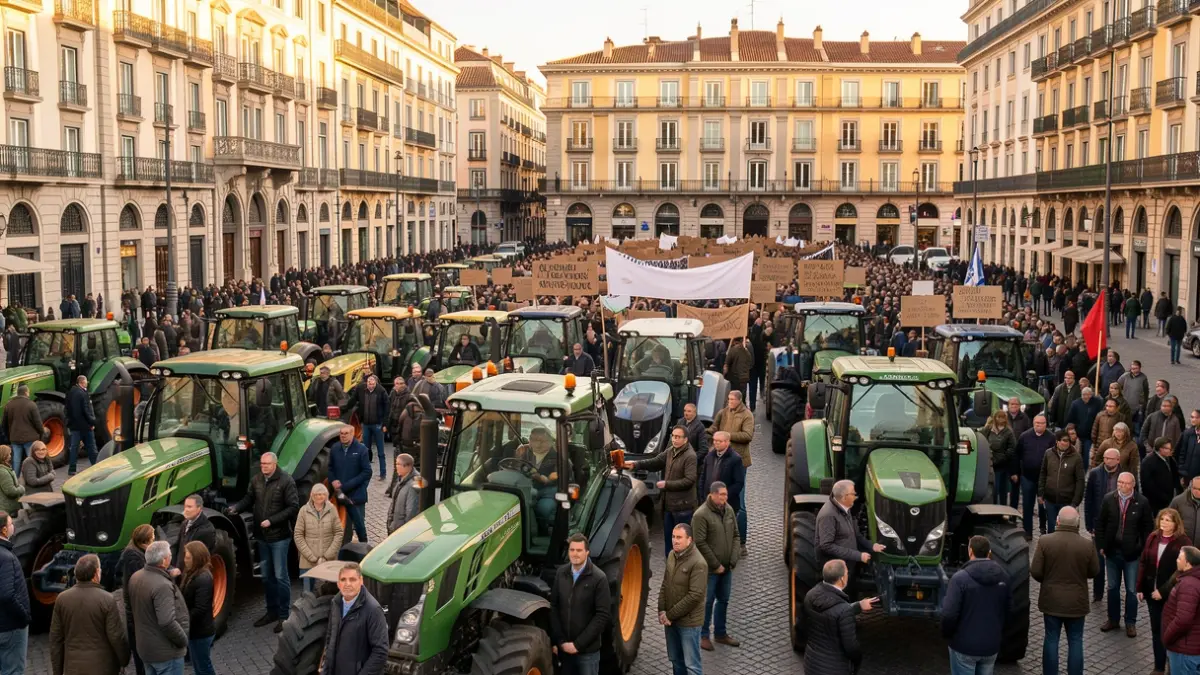
Despite these safeguards, the agricultural sector remains highly skeptical, fearing the influx of Mercosur products that may not meet strict European sanitary standards. This concern has fueled widespread protests, including road closures like the one on the A-2 in Fondarella.
This landmark commercial pact will gradually eliminate tariffs on 91% of EU exports to Mercosur and 92% of Mercosur exports to the EU, impacting two markets totaling over 700 million people and generating €65 billion in annual exports.