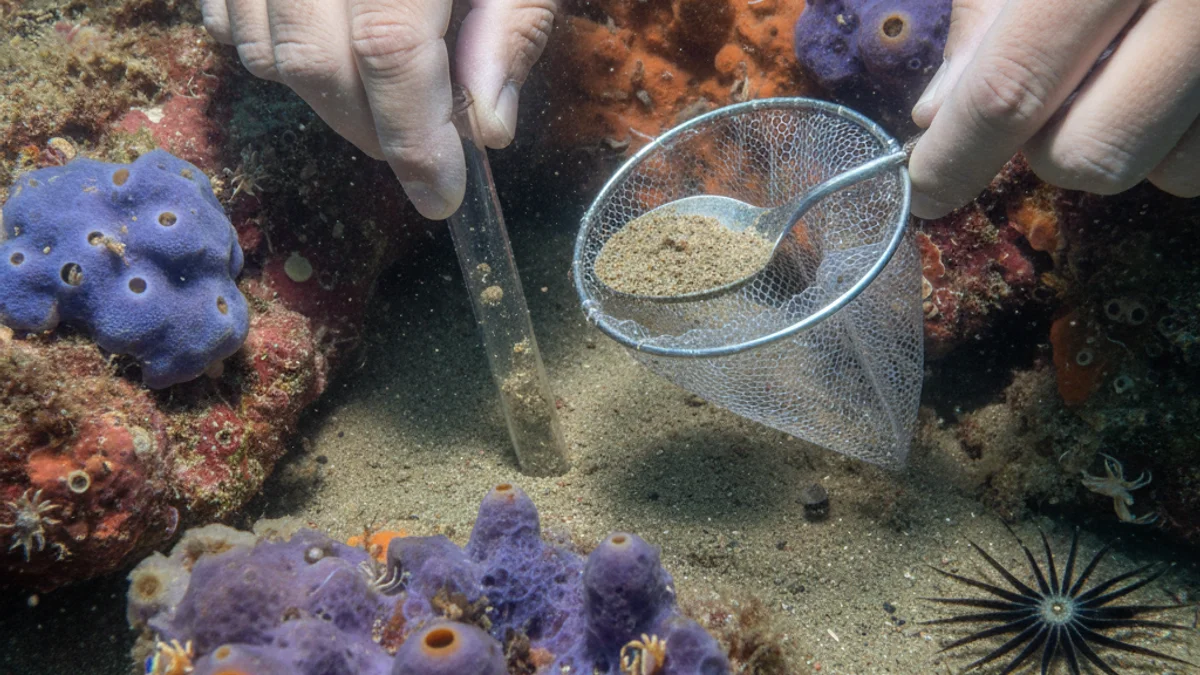
The study, published in the journal Diversity and Distributions, focused on the Cabrera Archipelago (in the Balearic Islands) and the Atlantic Islands (in Galicia). The methodology relied on analyzing seabed samples using advanced genetic techniques such as metabarcoding.
“"we have not only detected a significant decrease in diversity, but also changes in the structure of populations and the composition of marine ecosystems."
Comparing the initial samples (taken in 2014 and 2015) with the most recent ones (2021 and 2022) confirmed the 40% loss of species richness. Scientists emphasize that, despite protection, these areas are not isolated from the global effects of environmental change and human pressures.
Metabarcoding was used to identify thousands of species and genetic variants from DNA fragments present in the environment. This long-term biomonitoring technique allows for the creation of solid time series to guide marine conservation and recovery policies.
“"this approach opens the door to incorporating genetic techniques as a central tool in official environmental monitoring programs, providing much more detailed and objective information than traditional methods allow."