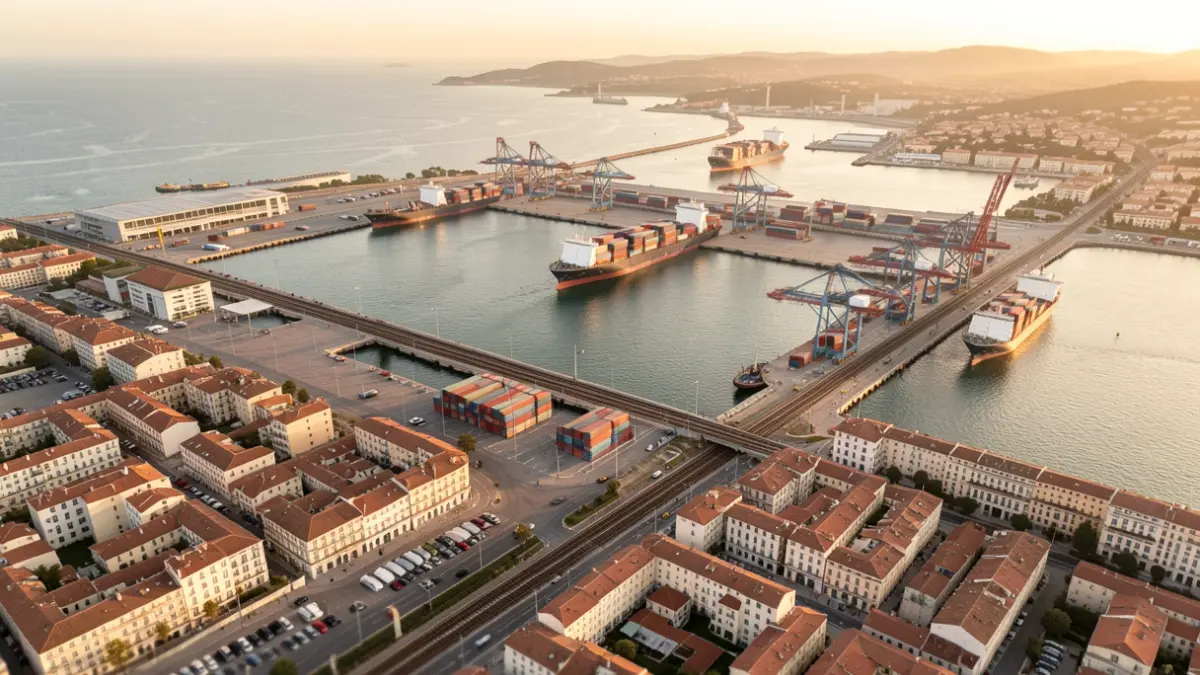
The Federació Empresarial d’Hostaleria i Turisme (FEHT), representing 90% of the tourist accommodation in the Tarragona region, has expressed strong opposition to the decision to double the tax on stays in tourist establishments. The sector believes this measure is misguided, as applying the same tax during low season as high season penalizes visitors traveling outside the summer months.
“"Doubling the tourist tax is a clearly dissuasive message for visitors, and we cannot talk about de-seasonalization while applying the same fiscal pressure during both low and high seasons."
Another point of contention is the decision to allocate 25% of the revenue to housing policies. The FEHT deems this decision unfair, arguing that the tourism sector “is not responsible for the housing crisis” and already contributes significantly to public finances.
The organization also clearly opposes the additional municipal surcharge that local councils will be able to apply. They warn that this flexibility could lead to confusion, competitive inequalities, and a negative image of the destination, as neighboring municipalities within the same tourist area might have vastly different rates.
Regarding the Fund for Tourism Promotion, which will receive 75% of the resources, the FEHT demands greater transparency and business participation. They request that the funds truly be allocated to tourism promotion and the improvement of key infrastructure, such as mobility and public services.