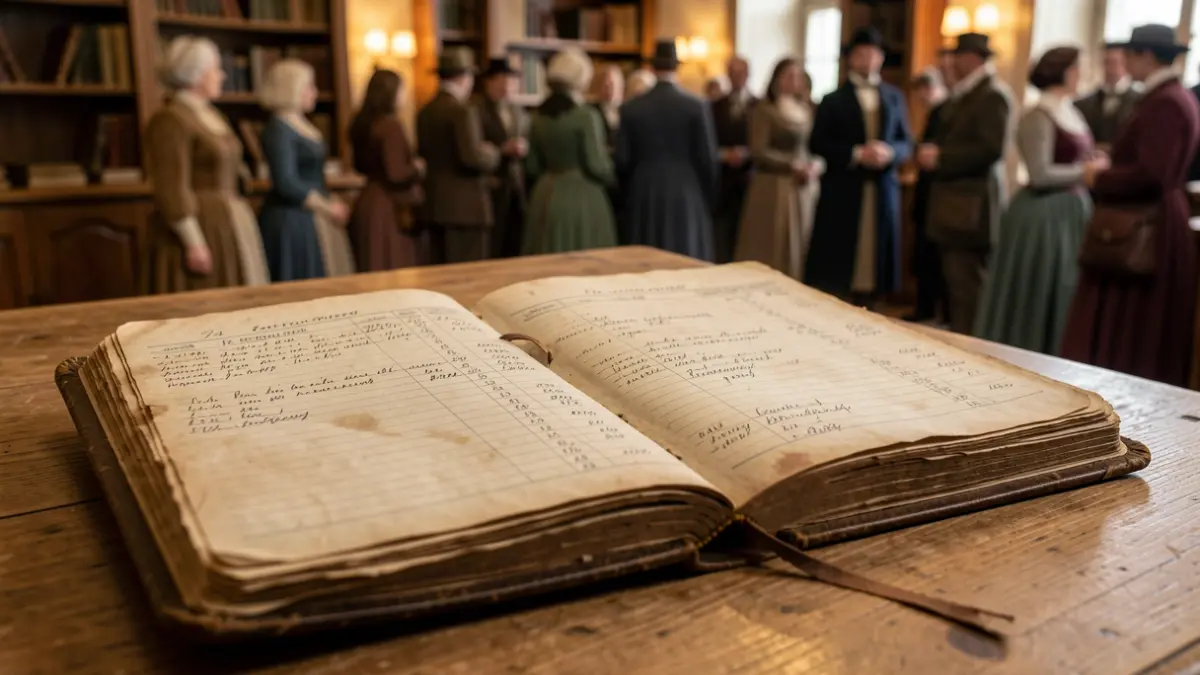
The featured document for September is a meat account book from the late 18th century. This official record details the accounts related to the slaughter, purchase, and sale of meat in Caldes de Montbui during the period from 1769 to 1792.
Since the Middle Ages, Catalan municipalities exercised strict control over the meat market to ensure the population's supply. The so-called 'carneria' books or meat account books were used by local administrators to record livestock purchases, weighing fees, and slaughter taxes. The aim was to prevent fraud and establish fair selling prices.
The management of livestock purchase, slaughter, and sale, as well as other foodstuffs, was under municipal supervision to guarantee supply, correct weight, and the cost of this basic resource. Often, municipalities auctioned off the management of these provisions and established supply contracts outlining sale conditions, tariffs, and obligations for those in charge, such as butchers.
In the account book, accessible at the Municipal Historical Archive of Caldes de Montbui, one can find the number of livestock heads slaughtered, their weight, and the price in pounds and shillings. This practice of municipal control was reinforced in 1766 with the creation by the Spanish monarchy of the figures of the 'diputat del comú' and the 'síndic personero' to oversee provisions.