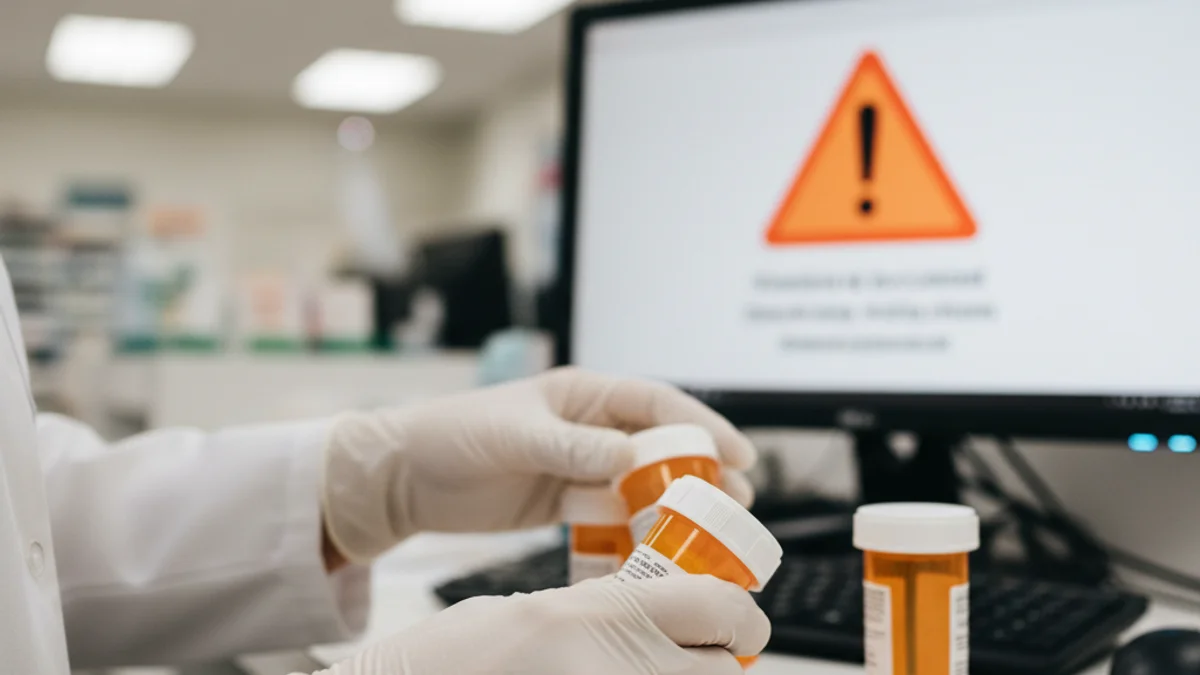
The proliferation of illegal online pharmacies selling products without sanitary control has soared, causing alarm among health professionals in the region. Investigations by the Spanish Agency of Medicines (AEMPS) show an increase in investigated websites, rising from 105 before the pandemic to 153 in 2024, while advertisements for withdrawn medicines have doubled.
“"It involves many risks because they can have unknown side effects when consumed."
The World Health Organization (WHO) has estimated that 50% of medicines sold online globally are counterfeit. Pharmacists insist that if a product is found at a price lower than the stipulated cost, it is a clear sign of deception and lack of traceability, as conservation and sales protocols are rigorous in authorized centers.
Weight loss drugs, such as GLP-1 receptor antagonists (active ingredients in Ozempic or Wegovy), are among the most illegally demanded, as they require a medical prescription and are expensive products. The European Medicines Agency (EMA) already warned in September about the sharp increase in their unregulated sale.
“"These medications are discussed as if they were candy; they are drugs that require medical monitoring and control."