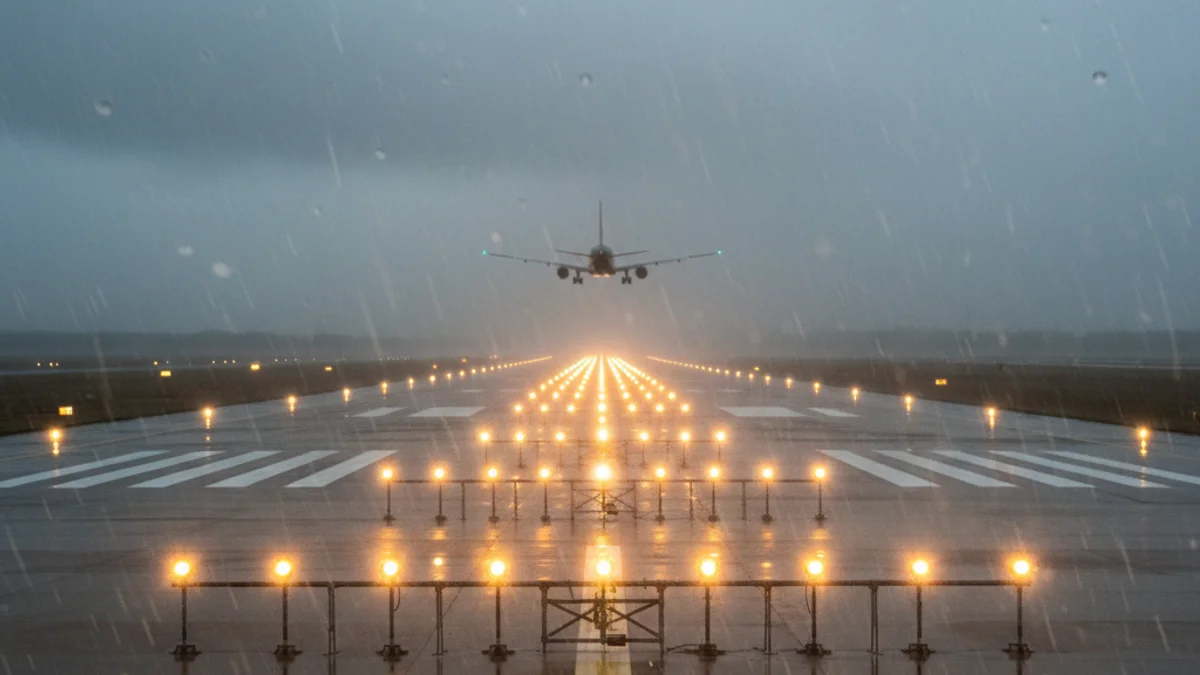
Aeronautical safety regulations mandate that aircraft must always operate against the wind to ensure proper aerodynamics. This rule dictates the configuration of the airport's six reversible runway ends. The final decision on runway use is made by the air traffic controller, based on data supplied by AEMET.
“"that planes always go in the opposite direction to the wind, to comply with aerodynamics."
A major meteorological hurdle is the Gregal wind (northeast component), which frequently complicates runway configuration. Ramon Pasqual, AEMET delegate in Catalonia, notes that the airport's location at the mouth of the Llobregat River delta causes the Gregal wind to shift directions unpredictably, sometimes leading to the formation of marine sleeves (small tornadoes).
To ensure pilot awareness, AEMET issues METAR (Meteorological Aerodrome Report) bulletins every 30 minutes. These coded reports provide vital information on wind speed, visibility, and precipitation, enabling pilots to make informed decisions regarding approach and landing maneuvers. Sudden changes in conditions trigger the issuance of a special METAR Speci bulletin.